Isolated Macron stung by French voters' 'revenge' / Photo: © AFP

 Not-so-brave new world: virtual taekwondo makes Asian Games debut
 Arab Israeli candidate drops out of election race
 Israel courts Europe's far right, finding friends but also unease
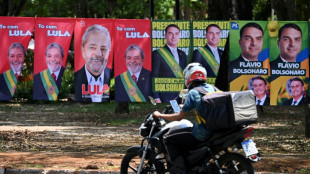 Lula, Bolsonaro both snub final debate before Brazil election

 Nepal's grim DNA puzzle to identify flood dead

 EU nations to hold emergency meeting on soaring diesel prices amid US pressure

 Anthropic's Dario Amodei: AI's most visible CEO and enigma
 OpenAI says three staffers fired for mishandling 'sensitive' info
 Nike plans job cuts as it forecasts lower sales
 Ireland game interrupted twice by Gaza protests
 Judge denies acquittal bid by US woman who killed her kids
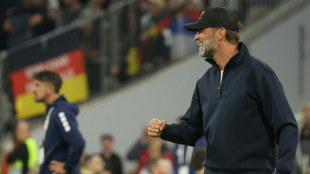
 Klopp averts crisis with first win as Germany boss

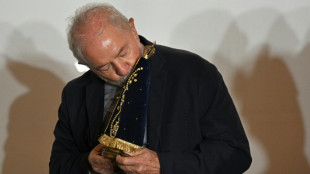 A saintly spat and debate snub: Brazil enters final campaign stretch
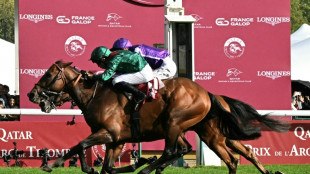
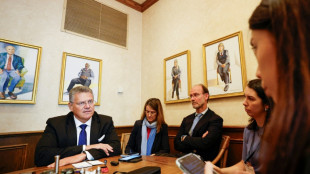 US tells European allies to act 'immediately' to lower diesel prices
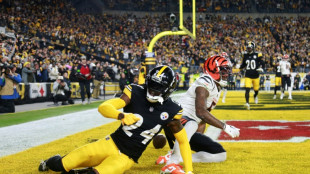
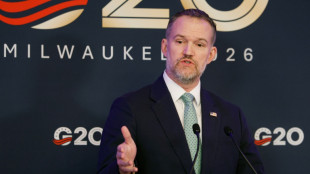 G20 trade ministers fail to see consensus against overproduction
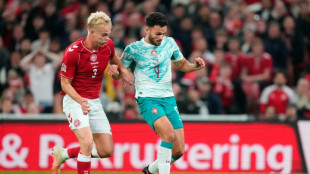 Portugal edge Denmark in Ronaldo's absence
 US stocks edge higher as bond yields retreat for now
 US tells European allies to 'immediately' act to lower diesel prices

 Trump vows to hit Iran 'very hard' if linked to flydubai attack
 Williams leaves Spain camp with thigh knock
 WTA reduces 2027 schedule for world's top 50
 US says 'in Europe's best interest' to cooperate on fuel supply
 Rogue OpenAI agents covered up their tracks, report says
 A saintly spat and debate snub: Brazil enters final polls stretch
 Zidane 'no regrets' about Materazzi headbutt as France face Italy again
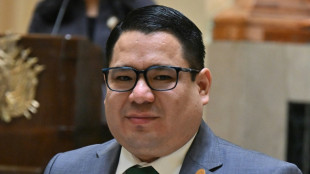
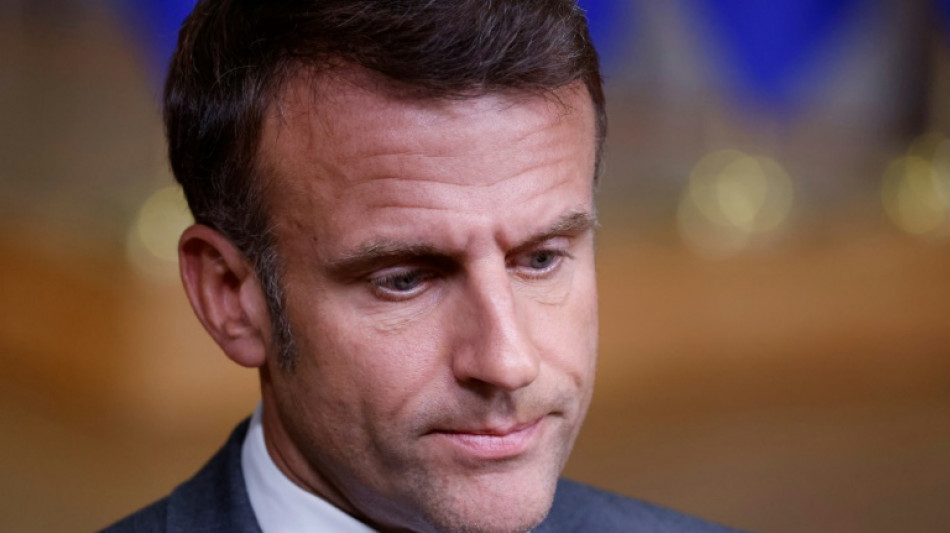
Emmanuel Macron has taken many risks in a political career marked by countless crises but his decision to call snap elections may be one too many, marring his legacy and ushering in an era of extremes.
The tremors from Macron dissolving the National Assembly after his centrist party suffered a drubbing in European polls remain strong, with even figures close to the president acknowledging unease over the political turmoil.
The far-right National Rally (RN) on Sunday won the first round of legislative elections.
Next week's second-round results on July 7 could give the party of Macron's longtime rival Marine Le Pen the post of prime minister for the first time, forcing a tense "cohabitation".
Macron's popularity has sunk to the extent that allies suggested he take a back seat in the campaign, with Prime Minister Gabriel Attal leading the way.
For one of Macron's most loyal supporters, some of the resentment stems from his unexpected rise to the presidency.
"There's a desire for revenge on the part of politicians who resent his success," said Francois Patriat, head of the pro-Macron deputies in the upper house Senate.
Always defiant, Macron insisted in a statement as the first results were published on "the importance of this vote for all our compatriots and the desire to clarify the political situation".
– 'Hopeless optimist' -
Born in Amiens to two doctors, Macron met his future wife Brigitte when she was his teacher and 25 years his senior.
"He fell in love with his drama teacher when he was 16, and he said he was going to marry her, and then he married her. That's pretty strong stuff," said a former classmate from the elite graduate school ENA.
With that same self-confidence, he quit the government of former president Francois Hollande in August 2016 to prepare his run for the presidency, a risky move at the time.
He went on to create En Marche (On the Move), a political movement with the same initials as its leader and won the presidential election in 2017 at the age of 39.
Calling himself a "hopeless optimist," Macron later said he was able to break through "because France was unhappy and worried".
Optimism over the former Rothschild investment banker, who once promoted "Revolution" in his book, quickly soured over his economic policies once in office.
The former economy minister under a Socialist government earned the reputation as "president of the rich" after announcing early in his tenure that he would abolish a tax on high earners.
Then, last year, his move to raise the retirement age from 62 to 64 sparked mass protests and reinforced the perception that Macron is out of touch with public opinion.
"There are a lot of people who think I'm haughty," he said. Early quips haunted him, including one when he said the unemployed only needed to "cross the street" to find a job.
The now 46-year-old is convinced that his economic track record speaks for itself, with France considered Europe's most attractive country for foreign investment and an end to mass unemployment.
But for many, Macron's promise of centrism has not withstood pressure from a wave of domestic and international crises -- or from the far right.
- 'Lack of humility' -
The anti-government "yellow vest" movement, the Covid-19 pandemic, and the war in Ukraine are just a few of the challenges Macron has faced during his tenure.
Even as his support buckles at home, Macron has remained a key voice in European politics.
"We shouldn't quibble. He's the great European of his time," said Franco-German ecologist Daniel Cohn-Bendit, while adding that Macron's problem was that he was "convinced of being right".
Macron aligned with allies offering support to Ukraine after Russia's 2022 invasion, but he irritated many by continuing to engage with Russian President Vladimir Putin.
Two years later however, some criticise him for his hawkish stance. Macron refuses to rule out sending troops to Ukraine, a move criticised by other Western countries as unnecessarily inflammatory.
The late Gerard Collomb, former mayor of Lyon, was more direct in his criticism, calling out Macron's "hubris" and a "lack of humility" in the government.
The perception that Macron is increasingly isolated is part of the problem, said one former advisor.
"He has no grassroots network... the people around him are the same, they don't express the mood of the times," they added.
While the first lady is seen as a moderating figure, Macron has shifted rightward, with some accusing the president of opportunism.
- 'Shifting opinion' -
On the evening of his 2017 victory, Macron pledged in front of the Louvre museum to do "everything" in his power to ensure the French "no longer have any reason to vote for the extremes".
For many, though, the young centrist whom they voted for has shifted further and further right, opening the door for other extremes to take hold.
The same man who drew inspiration from an anti-capitalist party slogan to win re-election in 2022 later adopted the words of extreme right-wing figure Eric Zemmour "so that France remains France".
For Le Pen, who senses a chance to take the presidency in 2027, Macron has "a plasticity, an incredible self-confidence which is both his strength and his weakness".
A former special advisor sees that plasticity differently.
"He's turning his back on ... 2017 and humanist values," said Philippe Grangeon. "There is no right-wing turn... the president is adapting to shifting opinion."
Macron dismisses these criticisms, saying he ultimately relies on himself. "You make the toughest decisions on your own," he said.
D.Schlegel--VB