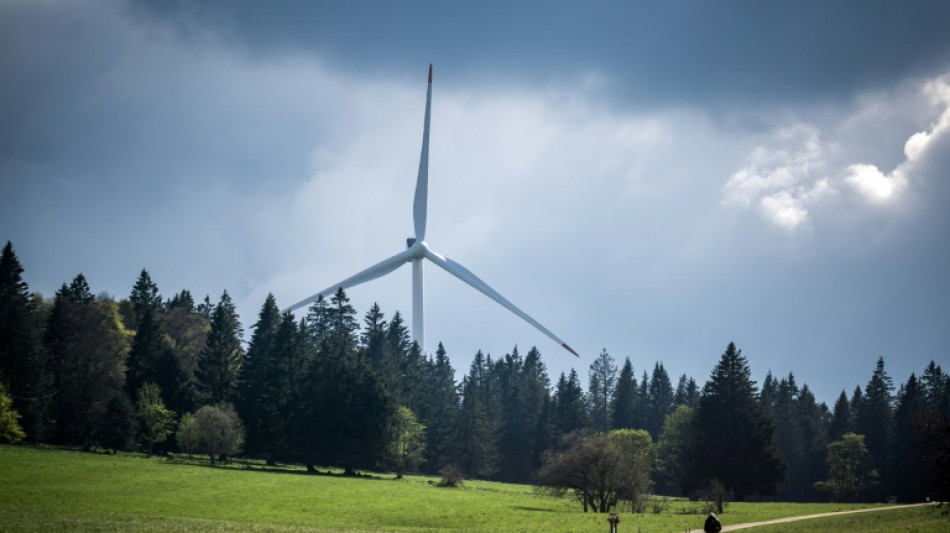
Swiss approve law boosting renewable energy generation / Photo: © AFP/File

 ICC unseals arrest warrants for Taliban education ministers
 Modric hopes fans back Croatia against Spain after England shame
 Bolsonaro rides right-wing surge into Brazil's election runoff

 Turkey blocks X account of British reporter

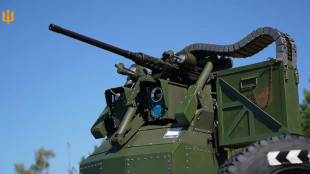 Ukraine says using AI robot guns to shoot down new Russian drones
 At Oct 7 memorial, Netanyahu says will be no Hamas rule in Gaza
 Ukraine blames Russia for deadly sinking of Turkish ship in Black Sea
 UN rights council slams Taliban's 'oppression' of women
 Norway eyes partial ban of smart glasses

 Two dead after ship catches fire, sinks in Black Sea

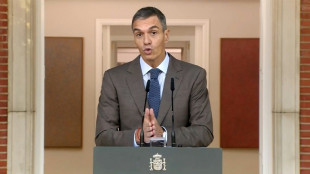 Spain's PM calls snap election after housing bill defeat

 STARCARES Equips Seven Foster Homes for Children and Young People in Tanzania

 Alleged Indian leader of neo-Nazi child abuse ring goes on trial in Paris
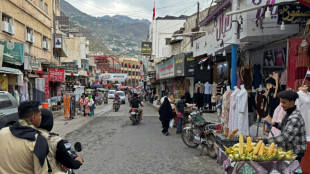
 Euro, French stocks slide on France debt concerns

 Alcaraz advances to Japan Open final

 US-German trio win medicine Nobel for work on optogenetics

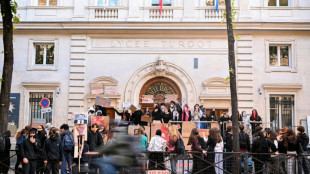 Hundreds of French high schools shut as protests persist

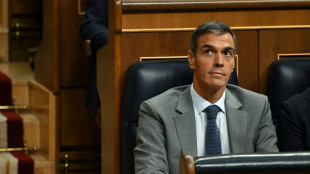 Spain PM calls early election after housing crisis defeat

 Stocks rally as 'Goldilocks' jobs data ease rate fears
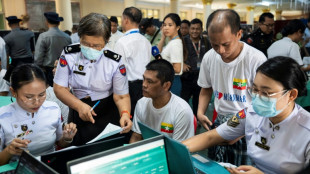 Myanmar says 10,000 migrants returned from Malaysia this year
 Big guns back for Australia's Rugby League World Cup defence
 Braves rock Dodgers to level series, Brewers win thriller

 Most Asia stocks rally as 'Goldilocks' jobs data ease rate fears

 Sunken Silk Road city reveals Central Asia's lost history

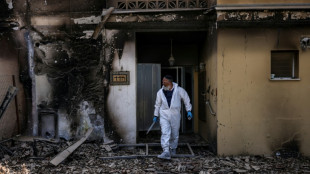 Three years on, Israeli rescuer cannot escape October 7

Switzerland approved a law on Sunday aimed at accelerating the development of renewable energies, as part of the country's bid to attain carbon neutrality by 2050.
Official results showed that just under 69 percent of Swiss voters backed the law on "a secure electricity supply based on renewable energies", confirming polling trends published before the nationwide referendum.
"The Swiss people have taken an important decision about our electricity supply," said the Alliance For a Safe and Affordable Electricity Supply, which backed the law.
Less than two months ago, Switzerland became the first nation ever to be condemned by an international court for not doing enough to combat climate change, in a ruling by the European Court of Human Rights.
The renewables law was approved by parliament last year, and most environmental organisations back the legislation and its ambitions.
They include heavyweights Greenpeace and WWF.
Reacting to the referendum result, Greenpeace said it meant nuclear was now "obsolete" and urged Swiss energy group Axpo to "set a deadline for the swift and definitive halt of the two reactors and the Beznau nuclear plant".
"They are among the oldest reactors still active on the planet and pose an insoluble security risk," it said.
Environment and Energy Minister Albert Rosti said the law was "an important milestone for strengthening security of supply" in Switzerland, particularly in winter.
- Hard-right opposition -
It aims to boost wind and solar power's current miniscule contribution to Switzerland's energy mix and rapidly increase hydro production so the wealthy landlocked country is less dependent on imported electricity.
The law envisages installing solar panels on building roofs and facades.
It also eases planning permission for wind turbines and large solar installations.
Critics, including a few smaller environmental groups, argue the law will fast-track large-scale energy projects and see Switzerland's pristine Alpine landscapes plastered with wind turbines and solar panels.
They also say locals will have only limited possibilities to appeal against the construction of new renewable energy installations.
Switzerland's largest party, the hard-right Swiss People's Party (SVP), also opposed the law, above all in the name of defending civil nuclear power, which provided 32 percent of total energy production last year.
After the vote it complained the law would provide Swiss people with "little electricity, at a high price" and result in "massive environmental destruction".
The government acknowledged that court appeals against large energy projects "will probably be less likely to succeed than before".
- Health initiatives spurned -
But it said projects would be examined on a case-by-case basis and constructing large installations in "biotopes of national importance" and migratory bird reservations will remain banned, albeit with some exceptions.
The law foresees 16 hydroelectric projects, a sector which last year represented 57 percent of domestic power generation. These involve building new dams or heightening existing ones.
Under Switzerland's direct democracy system, citizens can trigger votes on topics by collecting 100,000 valid signatures within 18 months. Voting takes place every three months.
There were also ballots on Sunday on three health-related topics, all of which were rejected.
Voters threw out a proposal to cap health contributions at 10 percent of income and a bid to limit health costs.
They also spurned an initiative tabled by opponents of measures introduced to stem the spread of Covid.
Although it did not specifically mention vaccines, the proposal said people who refused to give consent for certain medical procedures should not be penalised.
S.Leonhard--VB