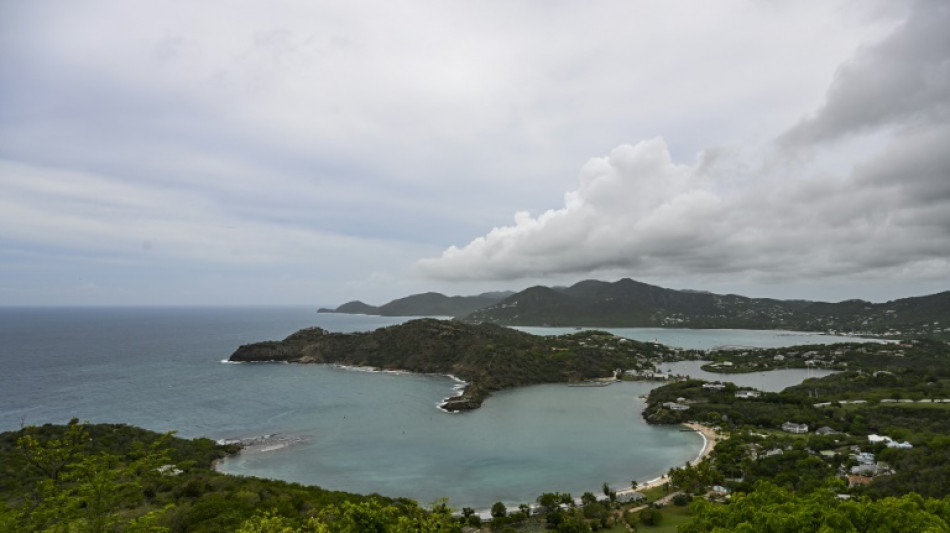
World's island states blame richest countries for climate threats / Photo: © AFP/File

 Hotel Blacklist Launches New Accommodation Industry Risk Assessment Tool

 Bangladesh nuclear plant draws hope -- and worry
 US beat Canada 1-0 to wrap up four-win international break
 Turkey, Australia's joint COP31 leadership raises doubts

 For Turkish NGOs, COP31 offers rare space for action

 Sleep, appetite, gene-editing experts contend for Nobel chemistry prize
 Nobel Peace Prize haunted by the 'spectre' of Trump

 Africa launches own credit agency in bid for cheaper borrowing

 US, China, EU: three paths to regulating AI
 Australia's High Court rules against coal mine in landmark climate case
 Australia touts new funds for Pacific infrastructure at Fiji 'pre-COP'

 Eva Marie Saint, Oscar winner of Hollywood classics, dies at 102

 Australia probes app used in cheap smart glasses over privacy fears
 England needed to 'move on' from World Cup pain, says Tuchel

 O'Neill to stay at Celtic after period of "reflection"

 Kane marks 125th England cap with Wembley Nations League double
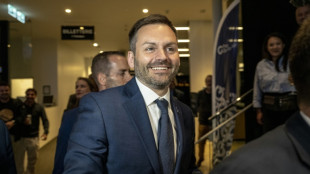 Quebec's incoming separatist leader wants to block Crown from swearing-in

 Emmys gala will now stream its premier television awards

 Paramount completes Warner Bros takeover, creating Skydance
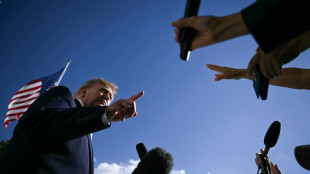 Trump blames France unrest on Islam, migration

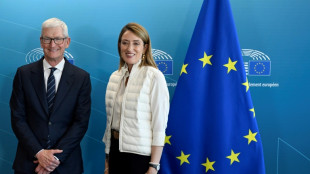 Apple's Cook praises EU over efforts to protect children online
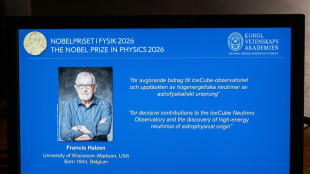 Nobel winner Halzen says years of October 'misery' finally over
 Quebec separatist win rattles Carney's unity push

 'Itching' for change: Shiffrin cuts back slaloms this season

 'Gen Z has risen up': Tens of thousands mass for tense France school protests

Extremely vulnerable to climate change, not rich enough to stop it on their own, and not poor enough to merit aid and development financing: the world's small island states on Monday blamed wealthy countries for their misfortune.
Small Island Developing States (SIDS) "find themselves on the front line of a battle against a confluence of crises, none of which they have caused or created," said Gaston Browne, prime minister of Antigua and Barbuda, which is hosting a SIDS conference this week.
The most pressing crisis is a worsening climate catastrophe as the world nears global warming of 1.5C, the upper threshold set in the Paris climate accord.
"The major contributors to climate change have failed to meet the obligations to mitigate its effects, causing significant harm to SIDS and our planet in general," Browne said.
Seychelles President Wavel Ramkalawan warned that "the climate crisis will destroy all of us," but that "the world is taking its time while we suffer."
Caught between rising debts and rising oceans, from the Caribbean to Africa to the Pacific, many SIDS share characteristics that make them especially vulnerable to external shocks: small landmasses home to scattered and isolated populations, with import dependent, non-diversified economies.
And climate change -- with its brutal droughts, powerful hurricanes and rising seas -- is threatening to erase some of them from the map altogether.
"We cannot accept the disappearance of any country or culture under the rising waves," UN Secretary-General Antonio Guterres said as he opened the SIDS conference, adding the international community has a "duty" to offer support.
"The idea that an entire island state could become collateral damage for profiteering by the fossil fuel industry, or competition between major economies, is simply obscene," Guterres said.
- 'Blue economy' -
"The costs will only rise and will be paid in more and more human lives if we fail to deal with the root cause, that is fossil fuels," said Hilda Heine, president of the Marshall Islands.
High on the agenda for the 39 states, whose populations number roughly 65 million people: increasing climate financing, even as many criticize the slow pace of fulfilling previous UN aid pledges.
According to the UN Development Program, some $4.7-7.3 billion in financing is needed per year just for climate adaptation measures in SIDS countries.
But most small island states are classified as middle-income countries or higher -- meaning that they're unable to access international aid and preferential financing available to the world's poorest countries.
"They are being trapped in a no man's land where financing from the international community that is often a kind of safety net is simply not available to them," said Achim Steiner, head of the UNDP.
Beyond seeking outside aid, however, many are also turning toward reforming their own economies.
Priorities include developing renewable energy sectors and engaging in the so-called "blue economy" of sustainable fishing and ocean conservation -- a serious opportunity for SIDS countries, which account for 19 percent of the world's Exclusive Economic Zones.
Tourism, too, can be made more sustainable -- though the specter of climate change hangs over these countries' marine biodiversity and coral reefs, which draw scuba divers from across the world.
B.Wyler--VB