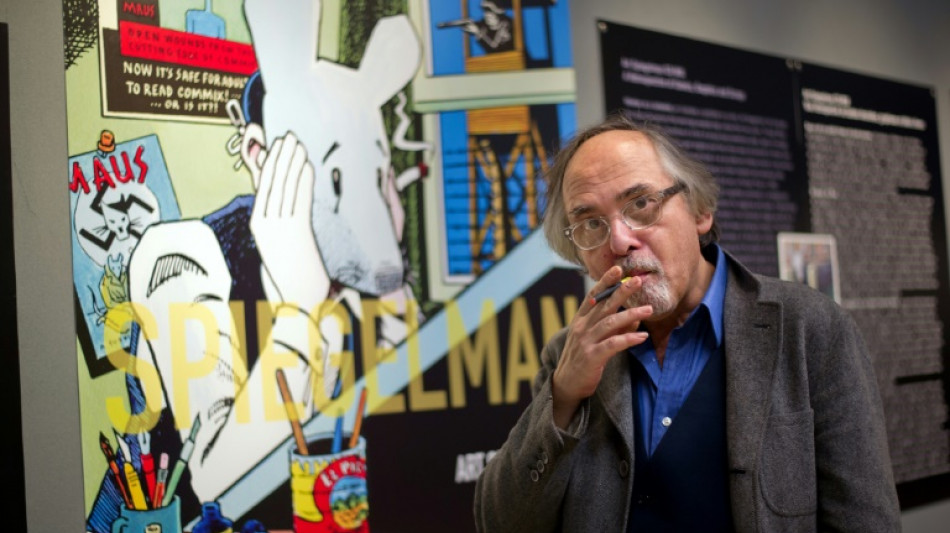
US school board bans Holocaust graphic novel 'Maus' / Photo: ©

 South Korea economy grows three times faster than expected in Q3

 Ballon d'Or: Harry Kane's crowning moment
 Harry Kane wins men's Ballon d'Or
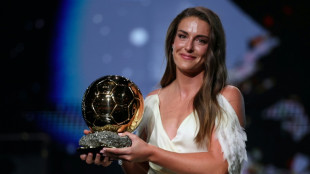
 Lula win rattles Brazil markets over spending spree fears

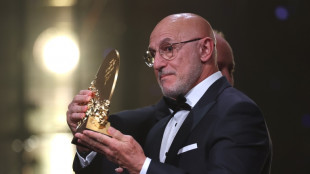 De la Fuente wins men's Ballon d'Or coach of year

 Trump slams 'rigged' Brazil election after ally loses to leftist Lula

 Nadal returns for Vegas hardcourt event

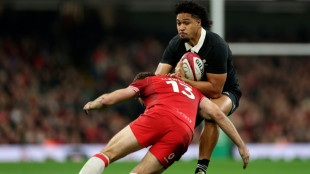 Fainga'anuku named as loose forward for All Blacks northern tour
 Anthropic points to AI dangers, soaring sales in IPO filing

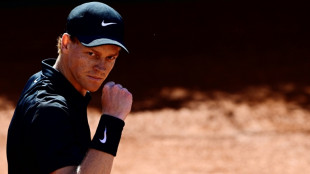 Sinner to play rescheduled Saudi Six Kings in December

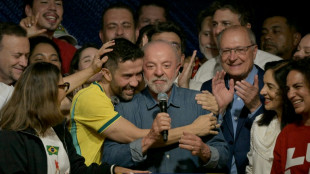 Brazilian lawmaker Andre Janones, Lula's social media 'general'
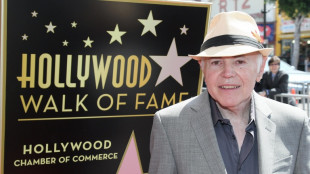
 Swiss Ebola patient repatriated from Nigeria

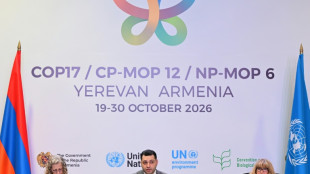 Nations far from a deal as UN nature talks enter final stretch

 Brazil markets battered, tech in focus elsewhere

 French court adjourns trial over 2020 death of delivery driver
 Serbian student movement eyes power after election triumph

 Machado ready to meet Venezuela leader after shock return

 Lula celebrates election win as Brazil markets tumble

 France's Macron accuses social media of sowing discord ahead of election

 Anthropic unveils IPO filing showing soaring sales and AI risks
 US singer Chris Brown avoids jail over London nightclub brawl

 US singer Chris Brown avoids jail over UK nightclub brawl

 Man Utd crisis deepens as Carrick faces axe

 Serbian student movement eyes power after resounding snap poll victory

 Eala breezes past world number 411 in Tokyo opener

A school board in Tennessee has added to a surge in book bans by conservatives with an order to remove the award-winning 1986 graphic novel on the Holocaust, "Maus," from local student libraries.
Author Art Spiegelman told CNN Thursday -- coincidentally International Holocaust Remembrance Day -- that the ban of his book for crude language was "myopic" and represents a "bigger and stupider" problem than any with his specific work.
The ban, decided by the McMinn County Board of Education in eastern Tennessee on January 10, sparked a national uproar among advocates of literary freedom after it became widely known in the past few days.
It was the most recent controversy over conservatives seeking to purge school libraries of books they find objectionable, with the focus on works that offer alternatives to traditional views of US history and culture, particularly from the viewpoints of African Americans, LGBTQ youths, and other minorities.
"Maus" was highly acclaimed when it was published as a compilation of Spiegelman's serialized tale of the experiences of his father, a Polish Jew, with the Nazis and in a concentration camp during the Holocaust.
The book, which depicted characters in the story as animals -- Jews are mice and Germans are cats -- won a Pulitzer Prize and other awards, and was accepted in many secondary schools as a strong and accurate depiction of the Nazi murder of millions of Jews during World War II.
The ban by the McMinn County school authority though focused on the use of eight crude words like "damn" and "bitch" and one scene of nudity, which some parents said were inappropriate for schoolchildren.
"There is some rough, objectionable language in this book," said school board director Lee Parkison, who proposed just redacting those parts of the book.
But others argued that, while teaching teens about the Holocaust was necessary, a different book was needed.
"It shows people hanging, it shows them killing kids; why does the educational system promote this kind of stuff, it is not wise or healthy," asked board member Tony Allman.
- 'Some bad words' -
Others defended the book. But they recognized the possible legal challenges over copyright and censorship that redacting the book could bring, and voted along with opponents to remove it from local school libraries altogether.
"They are totally focused on some bad words that are in the book.... I can't believe that," Spiegelman told CNN from his home in Switzerland.
The US Holocaust Museum, which documents the Nazi atrocities against Jews, strongly questioned the ban.
"Teaching about the Holocaust using books like 'Maus' can inspire students to think critically about the past and their own roles and responsibilities today," it said in a statement.
The ban of "Maus" added to the so-called culture war fights in which conservatives have forced local schools to proscribe books, particularly those with the perspective of ethnic and gender minorities.
In October a Texas school district temporarily withdrew copies of a book, "New Kid," that explains the unintentional "micro-aggressions" an African-American child suffers because of the color of their skin.
In Virginia parents fought to have the widely lauded book "Beloved" by Black author Toni Morrison, a winner of the Nobel prize for literature, removed from reading lists.
In York County, Pennsylvania in October, students battled to reverse a ban on scores of books, including works about South African icon Nelson Mandela and Pakistani activist Malala Yousafzai, as well as many about minority children.
A.Gasser--BTB