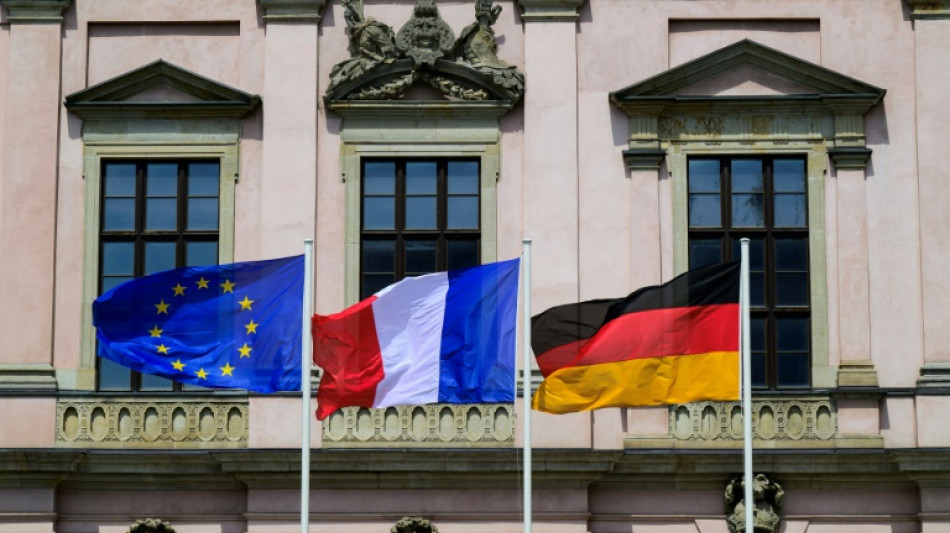
Macron visits Germany to soothe ties, warn of far-right peril / Photo: © AFP

 Rubio in Greece to urge against Western civilisation 'decline'
 Micron workers at Taiwan plant vote in favour of strike
 In 'The Social Reckoning,' Jeremy Allen White takes on Facebook's 'frightening' ambition
 Chip industry activists call for South Korea to recognise cancer cases
 Famine-scarred southern Madagascar braces for El Nino
 How the EU regulates lobbyists
 I.Coast refuge offers lifelong care for youngsters scorned as 'sorcerers'
 Indian central bank hikes rates for first time in more than 3 years
 Hotel Blacklist Launches New Accommodation Industry Risk Assessment Tool
 Bangladesh nuclear plant draws hope -- and worry
 US beat Canada 1-0 to wrap up four-win international break
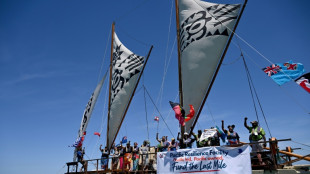
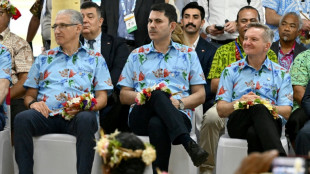 Turkey, Australia's joint COP31 leadership raises doubts
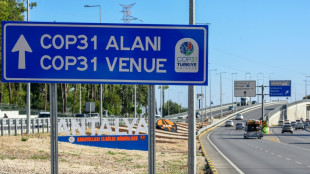 For Turkish NGOs, COP31 offers rare space for action

 Sleep, appetite, gene-editing experts contend for Nobel chemistry prize
 Nobel Peace Prize haunted by the 'spectre' of Trump
 Africa launches own credit agency in bid for cheaper borrowing
 US, China, EU: three paths to regulating AI
 Australia's High Court rules against coal mine in landmark climate case
 Australia touts new funds for Pacific infrastructure at Fiji 'pre-COP'

 Eva Marie Saint, Oscar winner of Hollywood classics, dies at 102
 Australia probes app used in cheap smart glasses over privacy fears
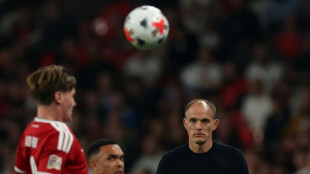 England needed to 'move on' from World Cup pain, says Tuchel
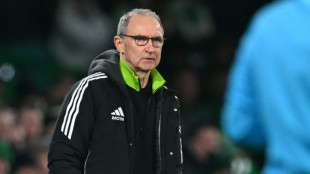 O'Neill to stay at Celtic after period of "reflection"
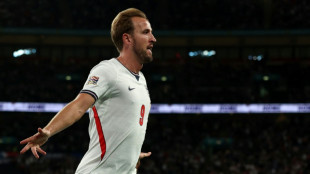 Kane marks 125th England cap with Wembley Nations League double
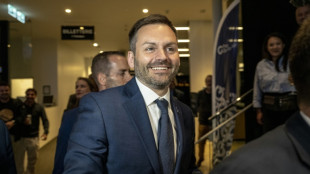 Quebec's incoming separatist leader wants to block Crown from swearing-in
Emmanuel Macron on Sunday embarks on the first state visit to Germany by a French president in a quarter century, seeking to ease recent tensions and also warn of the dangers of the far right ahead of EU elections.
Macron on his three-day, four-stop visit will seek to emphasise the historic importance of the postwar relationship between the two key EU states, as France next month commemorates 80 years since the D-Day landings that marked the beginning of the end of German World War II occupation.
But all has not been smooth in a relationship often seen as the engine of the EU, with Berlin taken aback by Macron's refusal to rule out sending troops to Ukraine and German officials said to be uneasy at times about his often-theatrical style of foreign policy.
In a question-and-answer session on social media with young people earlier this month, Macron enlisted help from German Chancellor Olaf Scholz when asked if the Franco-German "couple" was still working.
"Hello dear friends, long live French-German friendship!" Scholz said in French in a video on Macron’s X feed. "Thank you Olaf! I very much agree with you," Macron replied in heavily accented German.
While Macron is a frequent visitor to Berlin, the trip will be the first state visit in 24 years following a trip by Jacques Chirac in 2000 and the sixth since the first postwar state visit by Charles de Gaulle in in 1962.
Macron's trip will begin Sunday afternoon with a day of talks with his German counterpart Frank-Walter Steinmeier, whose role is largely ceremonial compared with the might of the French presidency.
On Tuesday he will travel to Dresden in the former East Germany to deliver a speech on Europe at a European festival. Tuesday sees Macron in the western German city of Munster and later in Meseberg outside Berlin for talks with Scholz and a Franco-German joint cabinet meeting.
- 'Ways of compromise' -
The trip comes two weeks ahead of European elections where polls show that in a major potential embarrassment for Macron, his coalition is trailing well behind the far right and may struggle to even reach third place.
The speech in Dresden, a city where the German far right Alternative for Germany (AfD) garners considerable support, will likely see Macron warn of the danger the far right poses to Europe.
In a keynote address on foreign policy last month, Macron issued a dire warning about the threats to Europe in a changing world in the wake of Russia's 2022 invasion of Ukraine.
"Our Europe, today, is mortal and it can die," Macron said. "It can die and this depends only on our choices."
Officials from both sides are at pains to emphasise that while there are periodic tensions on specific issues, the fundamental basis of the relationship remains sound.
But Macron's refusal to rule out sending troops to Ukraine sparked an unusually acidic response from Scholz that Germany had no such plans. Germany also does not share Macron's enthusiasm for a European strategic autonomy less dependent on the United States.
"The Franco-German relationship is about disagreeing and trying to find ways of compromise," said Helene Miard-Delacroix, specialist in German history at the Sorbonne university in Paris.
A.Ruegg--VB