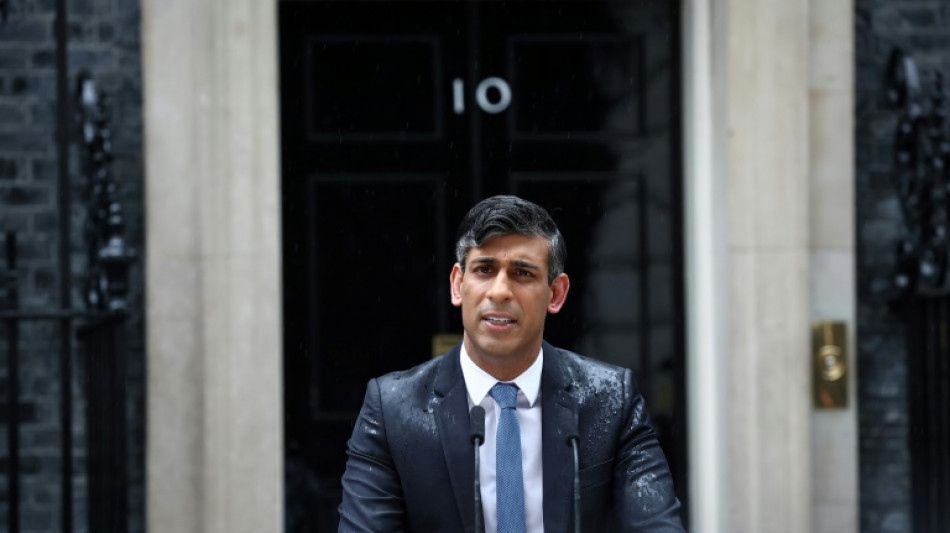
UK PM Sunak calls general election for July 4 / Photo: © AFP

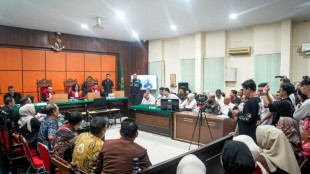
 Court orders German ex-spy chief kept in jail after spying, treason arrest
 Guinea caps bottled water prices after sachets banned

 Spared, married, hanged: the last weeks of Iranian protester Alireza Sepahi
 Nobel physics winner's pride at pioneering AI role

 IMF preparing El Nino assistance, concerned about AI bubble burst: chief to AFP

 West must embrace 'national power' or face decline: Rubio
 Shell refining margins reach record highs as wars hit supply
 Former Spain, Barca winger Pedro retires from football
 Arteta signs new Arsenal deal until 2030

 Stocks decline as oil climbs on Mideast flareup

 Gauff says online abuse was 'draining' after China Open exit

 As sector struggles, Porsche puts luxury ahead of volume
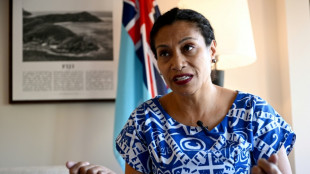 'It's personal': Fiji minister pushes better climate finance at pre-COP

 Russia glosses over dark Soviet past in reinvented museum

 UK tax body opened probe into Man City in 2018: FT

 Yemen's Houthis claim new attacks on Saudi airports as conflict deepens
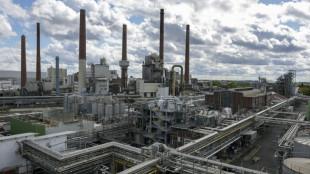 Germany factory production at highest level for 18 months
 Thailand floods death toll rises to 60 since mid-September

 US pushes Russia for information on plague reports

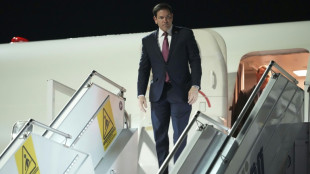
 Myanmar leader lands in Malaysia for migrant return talks
 Indian central bank hikes rates for first time since 2023

 US military on Okinawa face curfew, alcohol ban after murder case
 Fierce lobbying in EU over 'forever chemicals'

 Dodgers beat Braves and Padres avoid sweep in MLB playoffs
 Mourning, war and elections as Israel marks October 7

UK Prime Minister Rishi Sunak on Wednesday set a general election date for July 4, ending months of speculation but not doom-laden forecasts about the size of the government's expected defeat.
The poll will be the first time Sunak, 44, faces the public while in charge, after he was appointed leader of the largest party in parliament by Conservative MPs in October 2022.
The vote -- the third since the Brexit referendum in 2016 -- comes as Sunak seeks to capitalise on better economic data to woo voters hit by cost-of-living rises.
Halving inflation within a year from historic highs of above 11 percent at the end of 2022 was one of the former financier's five key pledges.
That happened last year and on Wednesday rates slowed to a near three-year low at 2.3 percent in March, prompting finance minister Jeremy Hunt to declare: "This is proof that the plan is working."
Sunak, in a Downing Street statement made in driving rain after he gathered his top ministers, said he had spoken to head of state King Charles III and requested the dissolution of parliament.
"The king has granted this request and we will have a general election on July 4," he said, adding: "Now is the moment for Britain to choose its future."
Political commentators have increasingly suggested that Sunak, trailing badly in the polls to the main opposition Labour party, could try to seek a bounce from the healthier outlook.
But critics point out that is more to do with changes in the global economy than government policy.
Sunak had previously batted back all efforts to name a date, saying only that he would go to the country in the second half of this year.
Speculation mounted again after Sunak and his top officials on Wednesday refused to deny fresh talk that he was about to call an election on the back of the more positive data.
Rumours went into overdrive when Foreign Secretary David Cameron was recalled from a trip to Albania and Defence Secretary Grant Shapps delayed a trip to eastern Europe to attend a cabinet meeting.
Hunt also cancelled a scheduled television interview for Wednesday evening, ITV's political editor said, as journalists, photographers and camera crews flocked to Downing Street.
- Uphill task -
The economy -- hit by external factors such as Covid and more self-inflicted wounds such as Brexit and former premier Liz Truss -- will be a key battleground.
But Sunak faces an uphill task to convince the public that the country's finances are still safe in Tory hands after 14 years in power.
Sunak has tried to steady the ship since succeeding Truss, whose 49-day tenure ended after her unfunded tax cuts sent household bills soaring, spooked the markets and crashed the pound.
Immigration -- another key issue since the government's vote-winning pledge to "take back control" of Britain's borders after Brexit -- remains politically troublesome.
Sunak -- the Tories' fourth leader since 2016 -- has talked tough to "stop the boats" of irregular migrants crossing the Channel from northern France.
But his controversial scheme to deport asylum seekers to Rwanda has yet to get off the ground, as costs and legal challenges mount.
Resurgent Labour, under former human rights lawyer Keir Starmer, has meanwhile been consistently ahead of the Tories by 20 points for almost two years.
That has sparked talk of a landslide similar to the first of Tony Blair's three election victories -- and even a near wipe-out for the Tories.
Starmer, 61, and his top team have in recent weeks been putting flesh on the bones of their election pitch, nearly five years after the party was thrashed by Boris Johnson and his vow to "Get Brexit Done".
Last week, Starmer set out six key pledges notably more electorally friendly than the hard-left policies of his divisive predecessor Jeremy Corbyn.
Starmer, a pro-European centrist, promised economic stability, shorter health service waiting times and a new border security command to tackle irregular immigration.
He also vowed to establish a publicly owned clean energy company, crack down on anti-social behaviour with more neighbourhood police and recruit 6,500 new teachers.
K.Sutter--VB