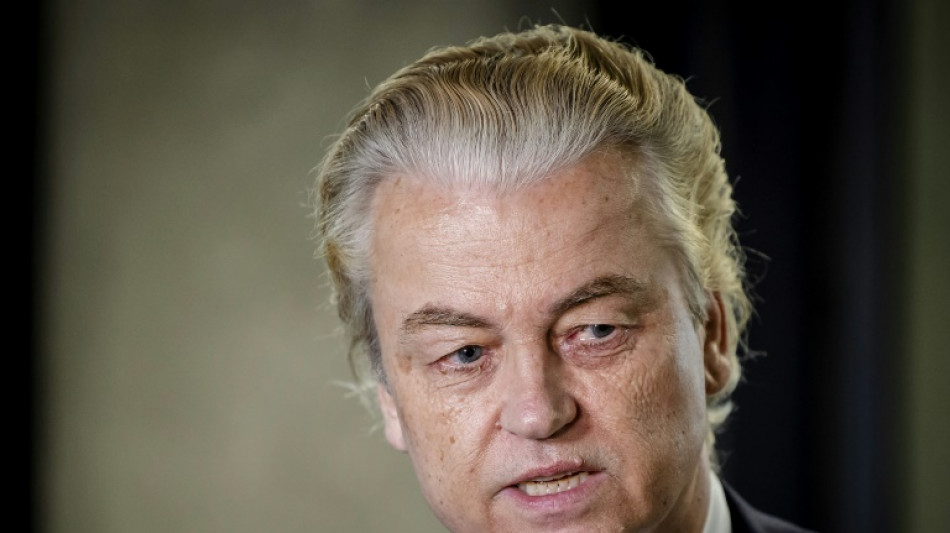
Dutch parties reach deal to form government / Photo: © ANP/AFP

 Bid by Italy's Intesa bank to take over MPS gets boost
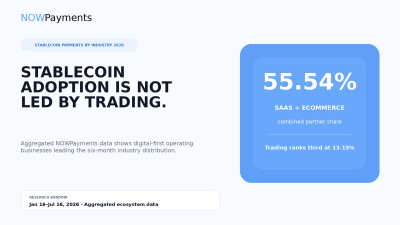 Stablecoins Are Quietly Becoming Business Infrastructure, NOWPayments Data Shows
 Oil surges, stocks sink as US reportedly eyes new Iran strikes
 Woman in botched US execution walking, mentally 'foggy': lawyer
 Farhan hopes Pakistan's new combination takes off in Sri Lanka T20Is
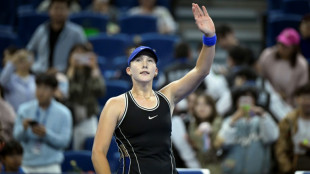 Teenager Andreeva seals China Open semi-final with Bartunkova
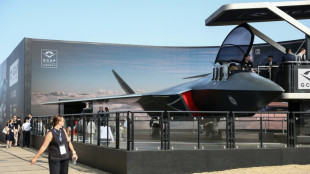 Britain's Burnham says open to Germany joining warplane project
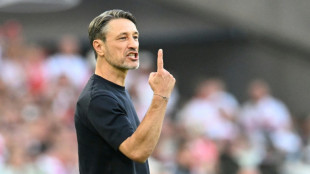 Kovac's tough love has Dortmund dreaming of title charge
 China announces candidate for WHO chief
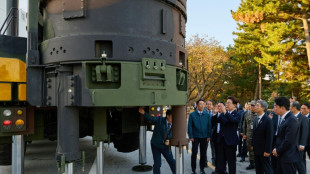 South Korea test-fires its first homegrown hypersonic weapon: presidency

 ONAR Advances Nasdaq Listing Preparation Following Advertise Purple Acquisition and Financing

 Thailand opens extradition process for reporter sought by China
 France struggles to wean social housing off gas
 Germany lifts GDP forecast as economy withstands Iran war
 Sri Lanka appoints Kusal Mendis as Test captain
 Norris confident McLaren can shine in Singapore
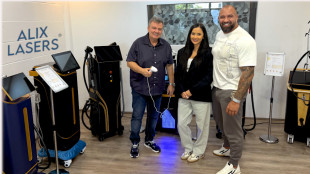 Alex Bodi pushes ahead with expansion: ALIX LASERS showroom planned for Bucharest
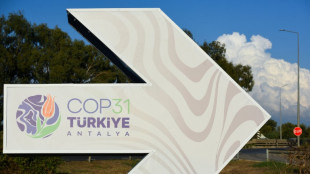 Fossil fuels off COP31 agenda as global output keeps rising
 Haze not 'a threat' to Singapore F1 race: organisers
 COP31 organisers say to seek 'ambitious' action with their text
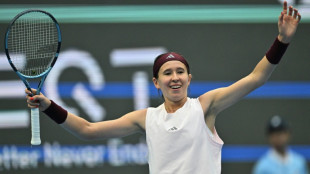 Bartunkova thrashes Muchova to reach China Open semi-finals
 Drone hits Yandex data centre, in first such attack on Russia
 Oil prices surge and stocks sink on fresh inflation worries
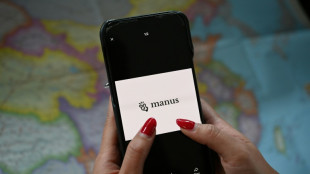 AI startup Manus raises $500m after Meta acquisition blocked by China
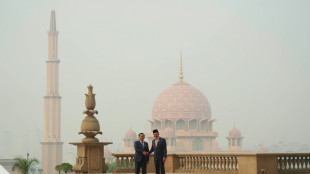 From refuge to repatriations: Malaysia's Myanmar U-turn

Six months after Geert Wilders won a stunning election victory, squabbling politicians finally clinched an agreement Wednesday on a coalition government, said the Dutch far-right leader, who will not be prime minister.
"We have a negotiators' agreement," said Wilders, who had reluctantly agreed to give up his dream of running the European Union's fifth-largest economy amid widespread unease over his anti-Islam, anti-European views.
It was not immediately clear who would be prime minister to lead the right-wing coalition government and replace Mark Rutte, who is almost certain to be tapped as the new NATO secretary general.
"Discussions over the prime minister will be held at a later time," Wilders told reporters.
However, the main contender looks to be former education and interior minister Ronald Plasterk, who also played a key role in overseeing the initial talks.
Later on Wednesday, MPs for the four parties all gave their approval to the deal, the details of which were not immediately available.
In March, the four parties agreed to aim for a partially technocratic government made up of 50 percent politicians and 50 percent from outside politics.
The last time the Netherlands had such an "expert" government was in 1918 and it is not clear how it will work more than 100 years later.
After marathon talks on Tuesday, Wilders said it would be a "historic day" if his far-right PVV Freedom Party took part in a Dutch government for the first time.
The far-right has gained in elections across Europe but has struggled to translate votes into power as other parties refuse to work with them.
"It's a worrisome day. We now have a radical right-wing party under Wilders that finds itself at the centre of power in the Netherlands," said opposition leader Frans Timmermans from the Greens-Left alliance.
- 'A bit longer' -
Wilders, sometimes nicknamed the "Dutch Trump", has softened some of his policy positions but his election manifesto still called for a ban on the Koran and mosques.
After winning the largest share of the vote in the elections, Wilders was primed to be the country's first far-right PM but at least one of his coalition partners threatened to torpedo a deal in that case.
"Do not forget: I will become prime minister of the Netherlands one day. With the support of even more Dutch," Wilders said after reluctantly stepping aside.
"If not tomorrow, then the day after tomorrow. Because the voices of millions of Dutch will be heard."
The coalition talks -- between Wilders' PVV, farmers party BBB, the liberal VVD and new anti-corruption party NSC -- have been fractious, not helped by social media sniping from all sides.
In February, NSC head Pieter Omtzigt abruptly stormed out of the talks, ostensibly over disagreements over public finances but he was also known to have major concerns about Wilders' more extreme policies.
Asked why it had taken nearly six months to form a government, Omtzigt smiled and said: "Well, it's a bit the story of the forming of this government."
"Every phase took just a bit longer than we thought, but that's normal."
It has become something of a tradition for Dutch governments to take a long time forming.
The last Rutte government took 271 days to take shape.
A.Ammann--VB