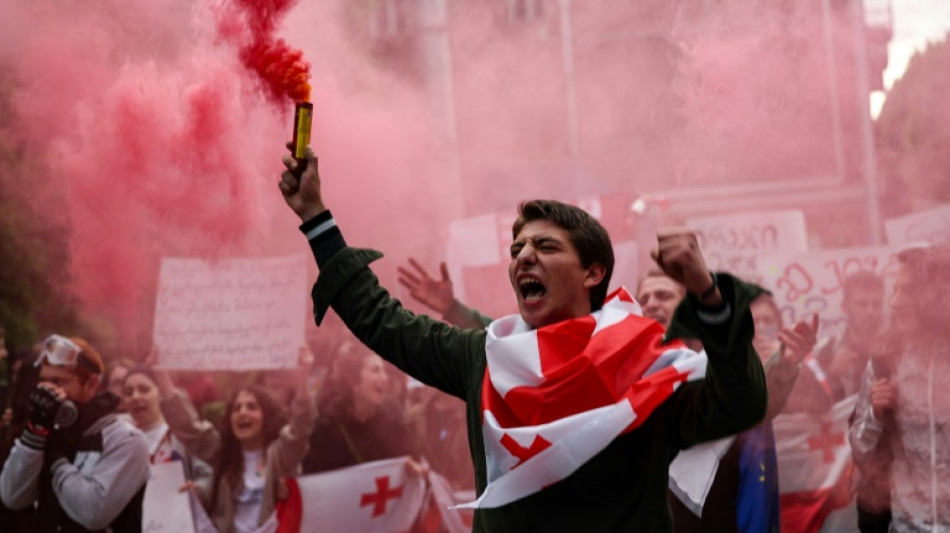
Thousands rally in Georgia amid new criticism of 'foreign influence' law / Photo: © AFP

 Verdict due in Mexico trial over murders of Australia, US surfers
 B2PRIME Welcomes Christina Barbash as Commercial Manager

 Russia forcing Kyiv into 'survival' mode before winter, mayor tells AFP
 Closing arguments begin in Maradona death trial
 UEFA president Ceferin to stand for re-election in 2027

 Nearly 300,000 Nepalis at flood risk: study
 Riyadh kindergarten hit by interception debris as Houthis say targeted airport
 Alex Bodi mizează, alături de CRIF, pe investiții transparente și pe prevenirea riguroasă a spălării banilor
 Gulf Labs, Part of Thailand’s $27 Billion GULF Group, Goes Live as an Injective Validator

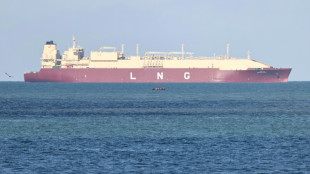 EU okay for winter despite 'historically low' gas stocks: operators
 Rwanda to host F1 Grand Prix: sources close to both sides

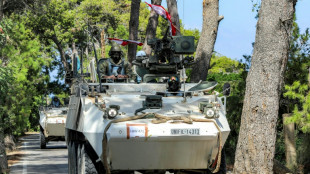 EU top diplomat says bloc in favour of UN Lebanon peacekeepers' extension
 Antonelli and Russell to run different Mercedes aero packages in Singapore

 WTO hikes 2026 trade growth forecast on AI boom

 'I love that challenge': Hamilton prays for rain in Singapore

 G.Bissau moves towards postponement of December general election

 Verstappen out to settle 'unfinished business' at Singapore Grand Prix

 WhiteBIT Launches Bitcoin Lightning Network Support, Powered by Voltage

 Oil surges, stocks sink as US reportedly eyes fresh Iran strikes
 Anne Carson: modern takes on Greek classics

 Canada's Anne Carson wins Nobel literature prize

 Ethiopia drones hit Eritrean troops in Tigray
 Russian strike on buses kills 30 in frontline Ukrainian city

 Thailand begins extradition process against Chinese journalist

 Quarantine, unease and rumours: Russian city grapples with plague scare

Thousands of Georgians took to the streets Wednesday in the latest round of a weeks-long mass protest against a "foreign influence" law whose adoption by Georgia has prompted a blizzard of international condemnation.
Ruling Georgian Dream party lawmakers voted through the legislation Tuesday in defiance of protesters worried the Caucasus country is shifting away from a pro-Western course towards Russia.
The move has sparked a wave of protests unprecedented in the recent history of the ex-Soviet republic, where according to opinion polls most of the population wants to join the European Union and NATO, and is staunchly anti-Kremlin.
Thousands of demonstrators blocked a major road intersection in Tbilisi on Wednesday evening, paralysing traffic in the capital's central districts.
"We've been hitting the streets day in day out for over a month now, and we aren't backing down until this Russian law gets axed," 19-year-old student Anuka Liparteliani told AFP.
"And then in autumn, we'll kick out this pro-Russian government," she added, referring to parliamentary elections scheduled for October.
Protests against the law -- which Brussels has warned is incompatible with Georgia's bid for EU membership -- were also held in the western Georgian cities of Kutaisi and Tsalenjikha.
- 'Change course' -
The adoption of the law has sparked a flurry of Western criticism.
The move "negatively impacts Georgia's progress on the EU path," EU foreign policy chief Josep Borrell said in a joint statement with the European Commission.
"We urge the Georgian authorities to withdraw the law."
The EU statement reiterated condemnation for "intimidation, threats and physical assaults on civil society representatives, political leaders and journalists" during demonstrations against the law.
A spokeswoman for the NATO military alliance said the law was a "step in the wrong direction... away from European and Euro-Atlantic integration".
"We urge Georgia to change course and respect the right to peaceful protest," said NATO spokeswoman Farah Dakhlallah.
UN human rights chief Volker Turk said he "deeply regrets" the adoption of the law.
"Authorities and lawmakers have chosen to disregard the many warnings by human rights defenders and civil society organisations," Turk said in a statement.
"The impacts on the rights to freedom of expression and association in Georgia unfortunately now risk being significant."
The United States on Tuesday warned the "Kremlin-style" law would hit Washington's ties with Georgia if it was not withdrawn.
- Presidential veto -
The foreign ministers of Estonia, Iceland, Latvia and Lithuania on Wednesday travelled to Georgia to express concerns over the law.
At a press conference alongside Georgian President Salome Zurabishvili, Lithuanian Foreign Minister Gabrielius Landsbergis said that "cosmetic changes" would not make the law compatible with European standards.
Prime Minister Irakli Kobakhidze has signalled his party's readiness to consider Zurabishvili's proposed amendments to the law, should she lay them out in her veto document.
But Zurabishvili -- at loggerheads with the ruling party -- ruled out the prospect of entering "false, artificial, misleading negotiations" with Georgian Dream.
"No one should think that Georgia's president can be used for saving the face of this government," she told the news conference.
The bill requires NGOs and media outlets that receive more than 20 percent of their funding from abroad to register as bodies "pursuing the interests of a foreign power".
Critics say it mirrors Russian legislation used to silence dissent, in a sign of the ex-Soviet republic's drift closer to Russia's orbit in recent years.
Protests have sprung up against the law, and scuffles have broken out inside parliament between opposition lawmakers and members of Georgian Dream.
Georgian Dream has sought to depict the protesters as mobs. It insists it is committed to joining the EU, and portrays the bill as aimed at increasing the transparency of NGO funding.
burs-del-im/am/tw
F.Wagner--VB