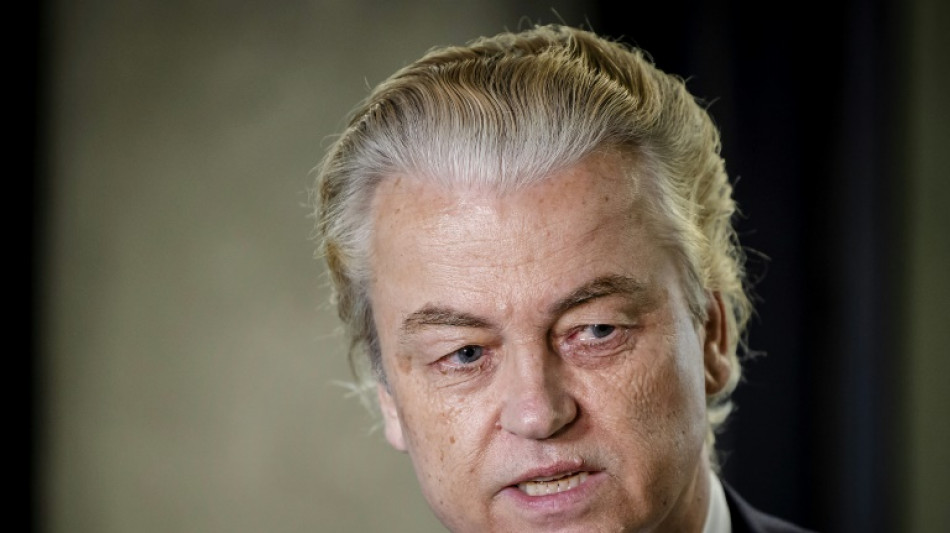
Dutch parties reach deal to form government coalition: Wilders / Photo: © ANP/AFP

 Verdict due in Mexico trial over murders of Australia, US surfers
 B2PRIME Welcomes Christina Barbash as Commercial Manager
 Russia forcing Kyiv into 'survival' mode before winter, mayor tells AFP
 Closing arguments begin in Maradona death trial
 UEFA president Ceferin to stand for re-election in 2027
 Nearly 300,000 Nepalis at flood risk: study
 Riyadh kindergarten hit by interception debris as Houthis say targeted airport
 Alex Bodi mizează, alături de CRIF, pe investiții transparente și pe prevenirea riguroasă a spălării banilor
 Gulf Labs, Part of Thailand’s $27 Billion GULF Group, Goes Live as an Injective Validator
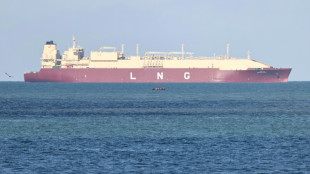 EU okay for winter despite 'historically low' gas stocks: operators
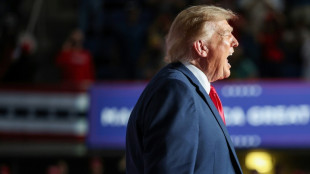
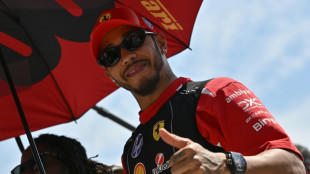 Rwanda to host F1 Grand Prix: sources close to both sides
 EU top diplomat says bloc in favour of UN Lebanon peacekeepers' extension
 Antonelli and Russell to run different Mercedes aero packages in Singapore
 WTO hikes 2026 trade growth forecast on AI boom

 'I love that challenge': Hamilton prays for rain in Singapore
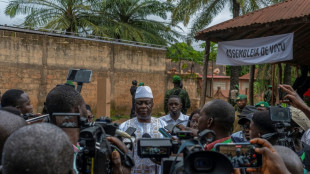 G.Bissau moves towards postponement of December general election
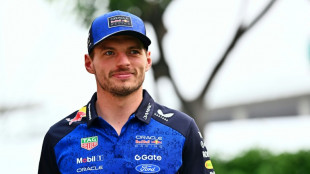 Verstappen out to settle 'unfinished business' at Singapore Grand Prix
 WhiteBIT Launches Bitcoin Lightning Network Support, Powered by Voltage

 Oil surges, stocks sink as US reportedly eyes fresh Iran strikes
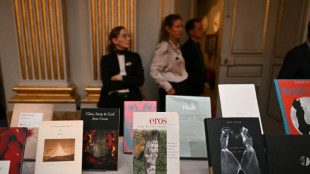 Anne Carson: modern takes on Greek classics
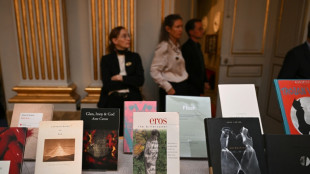 Canada's Anne Carson wins Nobel literature prize
 Ethiopia drones hit Eritrean troops in Tigray
 Russian strike on buses kills 30 in frontline Ukrainian city
 Thailand begins extradition process against Chinese journalist

 Quarantine, unease and rumours: Russian city grapples with plague scare
Six months after Geert Wilders won a stunning election victory, squabbling politicians finally clinched an agreement Wednesday on a coalition government, said the Dutch far-right leader, who will not be prime minister.
"We have a negotiators' agreement," said Wilders, who had reluctantly agreed to give up his dream of running the Europe Union's fifth-largest economy amid widespread unease over his anti-Islam, anti-European views.
It was not immediately clear who would be prime minister to lead the right-wing coalition government and replace Mark Rutte, who is almost certain to be tapped as the new NATO secretary general.
"Discussions over the prime minister will be held at a later time," Wilders told reporters.
However, the main contender looks to be former education and interior minister Ronald Plasterk, who also played a key role in overseeing the initial talks.
The parties now have to take the agreement back to their MPs for further discussions. The details of the deal were not immediately available.
In March, the four parties agreed to aim for a partially technocratic government made up of 50 percent politicians and 50 percent from outside politics.
The last time the Netherlands had such an "expert" government was in 1918 and it is not clear how it will work more than 100 years later.
After marathon talks on Tuesday, Wilders said it would be a "historic day" if his far-right PVV Freedom Party took part in a Dutch government for the first time.
The far-right has gained in elections across Europe but has struggled to translate votes into power as other parties refuse to work with them.
- 'A bit longer' -
Wilders, sometimes nicknamed the "Dutch Trump", has softened some of his policy positions but his election manifesto still called for a ban on the Koran and mosques.
After winning the largest share of the vote in the elections, Wilders was primed to be the country's first far-right PM but at least one of his coalition partners threatened to torpedo a deal in that case.
"Do not forget: I will become prime minister of the Netherlands one day. With the support of even more Dutch," Wilders said after reluctantly stepping aside.
"If not tomorrow, then the day after tomorrow. Because the voices of millions of Dutch will be heard."
The coalition talks -- between Wilders' PVV, farmers party BBB, the liberal VVD and new anti-corruption party NSC -- have been fractious, not helped by social media sniping from all sides.
In February, NSC head Pieter Omtzigt abruptly stormed out of the talks, ostensibly over disagreements over public finances but he was also known to have major concerns about Wilders' more extreme policies.
Asked why it had taken nearly six months to form a government, Omtzigt smiled and said: "Well, it's a bit the story of the forming of this government."
"Every phase took just a bit longer than we thought, but that's normal."
It has become something of a tradition for Dutch governments to take a long time forming.
The last Rutte government took 271 days to take shape.
L.Maurer--VB