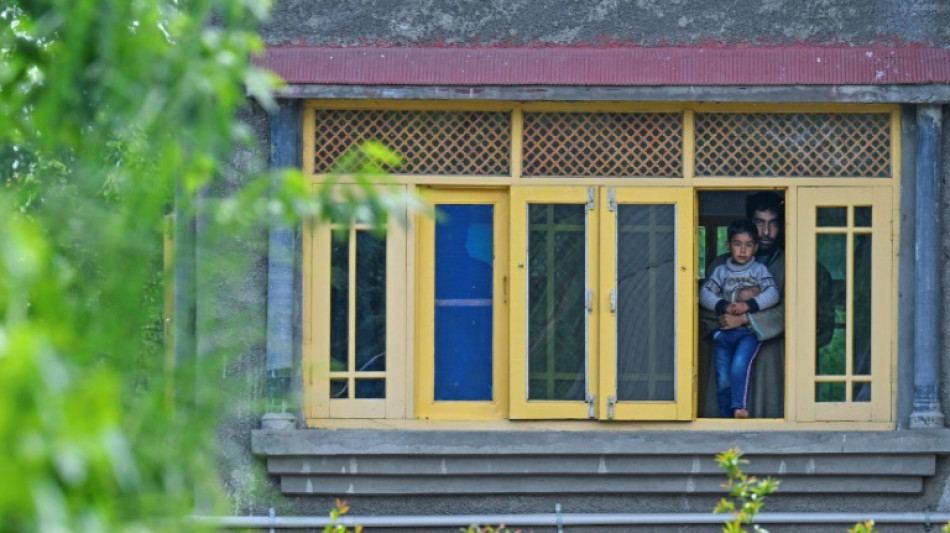
India vote a chance for Kashmiris to signal opposition to Modi / Photo: © AFP

 Spanish PM begins vote campaign overshadowed by housing protests

 Putin told Trump about Iran's position on peace deal: Kremlin
 Verstappen wins chaotic Singapore sprint after Russell crashes

 Kiss tells Wallabies to 'return fire' after first loss as coach
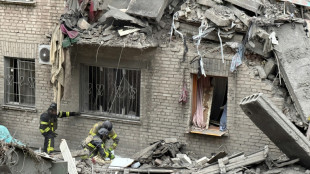 Russian strikes kill 11 including 3 children: Ukrainian authorities
 Russian teenager Andreeva breezes into China Open final
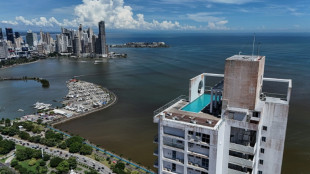 Major earthquake hits Panama, injures at least 27
 India detains 'cockroach' leaders ahead of election protest

 'No divisions, no borders', French astronaut says of seeing Earth

 India's 'cockroach' movement chief detained ahead of major protest
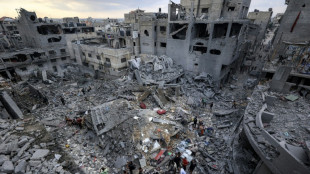 Year later, Gaza ceasefire promises mostly unfulfilled
 Taiwan's leader says increasing defence spending to 'deter war'
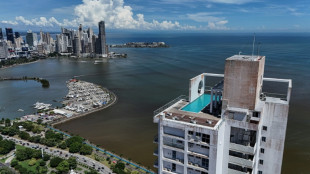 Major quake hits Panama, no deaths reported

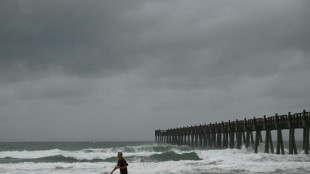 Hurricane Isaias makes landfall in Florida
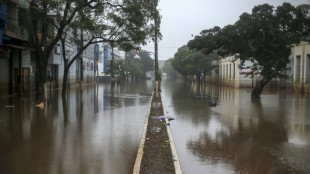 Brazil prosecutors sue Shell for $108 mn over deadly 2024 floods
 Major earthquake destroys buildings, roads in Panama
 Anthropic AI model sent fake murder tip to Philadelphia police
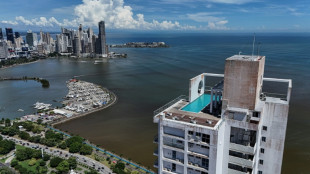 7.7-magnitude quake rocks Panama, triggers tsunami warning

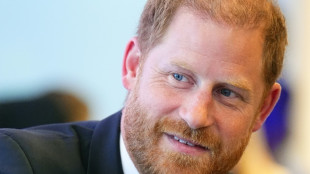 Prince Harry booed at English rugby match

 Kiplimo and Feysa seek repeat Chicago Marathon wins
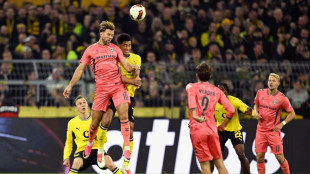 Fuellkrug halts Dortmund after late goal flurry

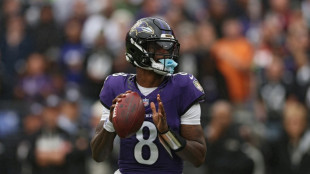 Injured Ravens quarterback Jackson ruled out of Falcons clash

 Brewers aim to take down two-time defending champion Dodgers in NLCS rematch

 Tsunami alert after major earthquake rocks Panama
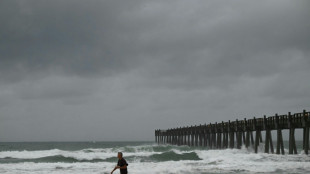 Outer bands of Hurricane Isaias lash US Gulf Coast

Prime Minister Narendra Modi's campaign speeches claim his quelling of an insurgency in Kashmir as one of his greatest achievements, but many in the disputed region see India's election as a chance to signal their disagreement.
Widely expected to win the biggest poll in history, Modi's ruling Bharatiya Janata Party (BJP) did not field any candidates in Kashmir for the first time in nearly three decades. Experts say they would have been roundly defeated if they had.
Modi's government cancelled the limited autonomy Kashmir had under India's constitution in 2019, a move accompanied by a huge security clampdown, mass arrests of local political leaders and a months-long telecommunications blackout.
Violence in the Muslim-majority region has since dwindled, and the BJP has consistently claimed that its residents supported the changes.
But some Kashmiri voters in this year's national elections will be eager to express their frustrations with the end of their territory's special status.
"I have never voted in the past. But this time, I will... to show that I am not happy with what India is doing with us," a middle-aged man told AFP in the main city of Srinagar, declining to be identified for fear of retribution.
"How can India say that Kashmiris are happy when we are actually suffocating in a state of fear and misery?"
- 'Voice their disagreement' -
Kashmir has been divided between India and Pakistan since their independence in 1947. Both claim it in full and have fought two wars over control of the Himalayan region.
Rebel groups opposed to Indian rule have waged an insurgency since 1989 on the side of the frontier controlled by New Delhi, demanding either independence or a merger with Pakistan.
The conflict has killed tens of thousands of soldiers, rebels and civilians in the decades since, including a spate of firefights between suspected rebels and security forces in the past month.
India is in the middle of a six-week election, with voting staggered across phases to ease the logistical burden of staging a vote in the world's most populous country.
Modi and his ministers have championed the end of Kashmir's special status, saying at campaign rallies it has brought "peace and development", and the policy is popular among voters elsewhere in India.
But many in the valley have chafed at increasing curbs on civil liberties that have curtailed media freedoms and brought an effective end to once-common public protests.
Many are also upset with the 2019 decision to end constitutional guarantees that reserved local jobs and land for Kashmiris.
Open campaigning for separatism is illegal in India, and established democratic parties in Kashmir have historically differed on whether to collaborate with the government of the day in New Delhi or to pursue greater autonomy.
But antipathy towards Modi's Hindu nationalist government had helped paper over differences between rival parties by forging a common sense of opposition, parliamentary candidate Waheed Ur Rehman Para told AFP.
"There's a huge solidarity silently in Kashmir today for each other, irrespective of party lines," he said.
Para is standing for a seat that takes in Srinagar, the territory's biggest city, on behalf of the Peoples Democratic Party (PDP), which was a BJP ally before 2019 but is now campaigning for the reinstatement of Kashmir's autonomy.
Voters were preparing to "convey to Delhi that the consent of decisions about Kashmir is most important and it should lie with the locals", he said.
- 'Want to win every heart' -
Political analyst and historian Sidiq Wahid told AFP the election was being seen by Kashmiris as a "referendum" on the Modi government's policies in the territory.
"The BJP is not fielding any candidates for a very simple reason," he said. "Because they would lose, simple as that."
Modi's party retains a presence in Kashmir in the form of a heavily bunkered and almost vacant office in Srinagar.
The complex is under constant paramilitary guard by some of the more than 500,000 troops India has permanently stationed in the region.
The BJP has appealed to voters to instead support smaller and newly created parties that have publicly aligned with Modi's policies.
India's powerful home minister Amit Shah, a close acolyte of Modi, said at a campaign rally last month the party had made a tactical decision not to field candidates.
He said he and his allies were in no rush to "see the lotus bloom" in Kashmir, a reference to the BJP's floral campaign emblem, but would instead wait for the people of the valley to understand its good work.
"We are not going to conquer Kashmir," he told the crowd. "We want to win every heart in Kashmir."
T.Ziegler--VB