EU parliament votes forced labour ban with China in its sights / Photo: © AFP

 Opposition, journalists allege police abuses during India protests
 DATA Network joins Sui and Walrus to scale the supply chain for AI training data

 Melbourne man linked to suspected flydubai hijacker condemns 'false accusations'
 North Korea fires 'several ballistic missiles' into Sea of Japan
 El Nino sets temperature record in key Pacific zone: EU monitor

 Nature does not respect borders: UN biodiversity chief

 World leaders urged to 'course correct' as UN nature goals fall short

 New York's notorious Rikers jail awaits elusive closure
 Unbeaten 49ers edge Seahawks while Vikings stay perfect
 Trump's 'energy ceasefire' sparks confusion as Russia strikes Ukraine

 Dupont double helps Toulouse avoid Bayonne slip-up in Top 14

 Marseille snap losing skid with win at Troyes

 Lula stages mass rally ahead of Brazil's presidential run-off

 Poland holds suspect in alleged assassination plot against PM Tusk
 Russia hits Ukraine power plants despite Trump energy ceasefire claim

 Isco's Betis rise back above Real Madrid to third

 Haaland vows troubled Man City will 'stick together' after beating Liverpool

 Abhishek, Arshdeep guide India to T20 win over West Indies

 'Other Mommy' scares up N. American box office win

 Zelensky surprised, Moscow mum as Trump announces energy ceasefire

 Ready Player 1: Paris to host 2027 edition of EVO combat video games event
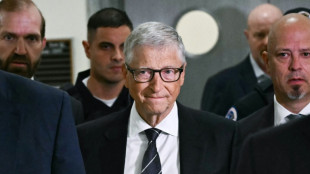 Bill Gates warns cyberattacks most imminent AI threat

 Lazio join Inter at top of Serie A as Roma held at Como

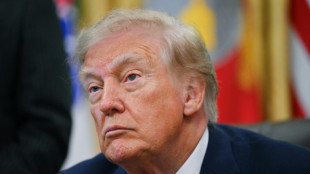 Trump says Russia and Ukraine agree to 'energy ceasefire'

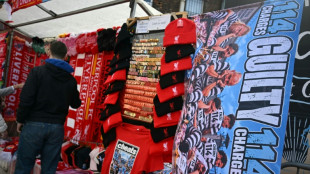 Man City branded 'cheats' in hostile Liverpool reception after guilty verdict
EU lawmakers voted on Tuesday to ban products made using forced labour which supporters hope will be used to block goods from China, at the risk of raising tensions with Beijing.
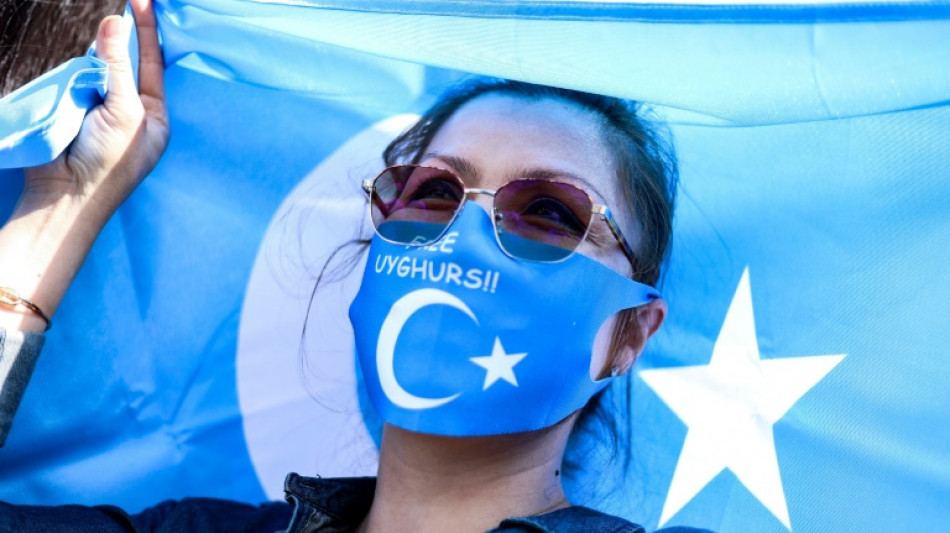
The law does not directly mention China, but many lawmakers hope it will be used to block imports from China involving the region where the Uyghur Muslim minority lives.
Human rights groups say at least one million people, mostly members of Muslim minorities, have been detained in China's northwestern Xinjiang region and face a series of abuses, including forced sterilisation of women and coerced labour.
The legislation, backed in a vote by 555 EU lawmakers, with six against and 45 abstaining, will become law following final approval by the EU's 27 member states.
The EU has deployed an array of trade tools against China, including anti-subsidy investigations into Chinese state support for green tech such as solar panels.
The latest law seeks to eradicate forced labour from European markets.
Under the rules, EU states can remove products found to have been made using forced labour as well as goods made in the bloc comprising material made abroad using forced labour.
"This regulation is groundbreaking and it's unique. It's inclusive, broad, and together with several other regulations and directives... (it's) a real game changer," Dutch lawmaker Samira Rafaela, who pushed the text through parliament, said.
"Companies, industries, whole sectors and their respective contractors will need to make a serious effort to ensure their conduct is sustainable and ethical, respecting human rights throughout their entire supply chain," she told reporters after the vote.
Some 27.6 million people were engaged in forced labour in 2021, including around 3.3 million children, according to the International Labour Organization.
- Power to seize goods -
The new rules give the European Commission the power to launch investigations when there are suspicions about the supply chains in countries outside the EU.
If the use of forced labour is proved, officials will seize the products at the borders and order their withdrawal from the European market and online retailers.
If the risk is in one member state, the local authority in that country will investigate the products allegedly made using forced labour.
For some goods deemed to be at risk, importers will be forced to provide detailed information on the manufacturers.
The EU will also create a regularly updated database about forced labour risks that will include international reports to aid the commission and national bodies in assessing possible violations of the law.
Critics have pointed out that the law does not go as far as one adopted by Washington.
The United States in 2021 banned the importation of products from Xinjiang unless businesses could prove their production did not involve forced labour.
Maria Manuel Leitao Marques, another EU lawmaker who spearheaded the law through parliament, pointed to the concerns about products in Europe made by Uyghurs.
"It could be that what you are using today or consuming today, such as cotton might not come from Turkmenistan, but from China, where the Uyghurs are being forced to work, where they're the victims of forced labour," she said during a debate on Monday.
J.Marty--VB