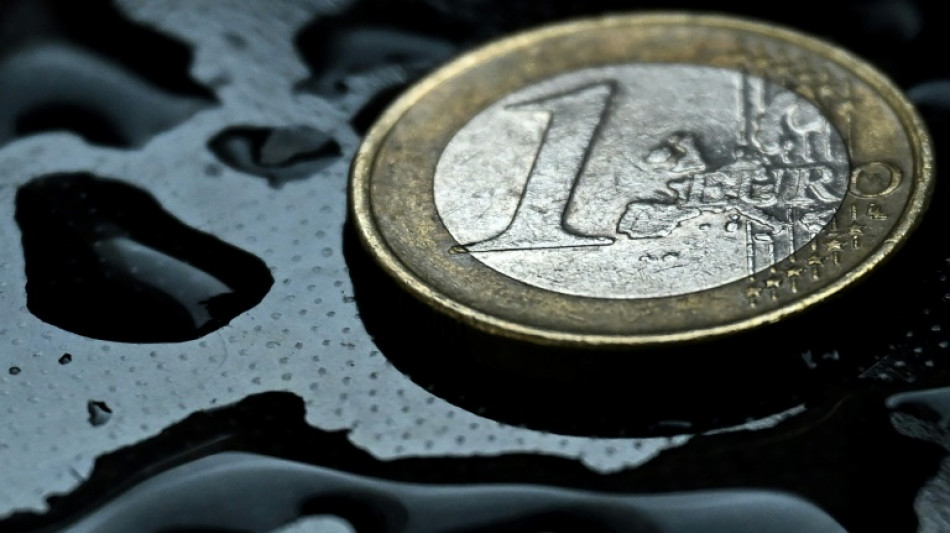
EU lawmakers greenlight new rules to rein in national spending / Photo: © AFP/File

 Opposition, journalists allege police abuses during India protests

 DATA Network joins Sui and Walrus to scale the supply chain for AI training data

 Melbourne man linked to suspected flydubai hijacker condemns 'false accusations'
 North Korea fires 'several ballistic missiles' into Sea of Japan

 El Nino sets temperature record in key Pacific zone: EU monitor

 Nature does not respect borders: UN biodiversity chief

 World leaders urged to 'course correct' as UN nature goals fall short

 New York's notorious Rikers jail awaits elusive closure

 Unbeaten 49ers edge Seahawks while Vikings stay perfect

 Trump's 'energy ceasefire' sparks confusion as Russia strikes Ukraine

 Dupont double helps Toulouse avoid Bayonne slip-up in Top 14

 Marseille snap losing skid with win at Troyes

 Lula stages mass rally ahead of Brazil's presidential run-off

 Poland holds suspect in alleged assassination plot against PM Tusk

 Russia hits Ukraine power plants despite Trump energy ceasefire claim

 Isco's Betis rise back above Real Madrid to third

 Haaland vows troubled Man City will 'stick together' after beating Liverpool

 Abhishek, Arshdeep guide India to T20 win over West Indies

 'Other Mommy' scares up N. American box office win

 Zelensky surprised, Moscow mum as Trump announces energy ceasefire

 Ready Player 1: Paris to host 2027 edition of EVO combat video games event

 Bill Gates warns cyberattacks most imminent AI threat

 Lazio join Inter at top of Serie A as Roma held at Como

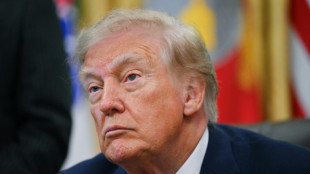 Trump says Russia and Ukraine agree to 'energy ceasefire'

 Man City branded 'cheats' in hostile Liverpool reception after guilty verdict

European Union lawmakers on Tuesday backed new budgetary rules aimed at boosting investment while keeping spending under control despite fierce criticism from leftwing groups.
Brussels spent two years negotiating an overhaul of its budget rules that pitted fiscally hawkish states against the bloc's most indebted nations.
A majority of lawmakers backed the new rules during a session of the European Parliament in Strasbourg, France. It will become official once the EU's 27 member states endorse the text.
Leftwing MEPs claim the reform will bring in further austerity in Europe, but the bill had the backing of the three biggest political groups in parliament including socialists and conservatives.
Once in place, the EU believes the looser rules will keep the bloc on a sound financial footing, while giving greater leeway for investment in critical areas like the green and digital transitions, as well as defence.
The new rules are "more flexible, more growth oriented, more credible in their implementation", the EU's economy commissioner, Paolo Gentiloni, said during a parliamentary debate.
He said that, while "not perfect", the reform was "a good compromise".
Climate activists argue the rules will limit states' ability to pour money into important green projects.
"It will force many EU governments to take austerity measures and limit their ability to borrow to finance essential climate, environmental and social policies," Greenpeace EU said in a statement.
Margarida Marques, a socialist lawmaker who spearheaded the reform through the parliament, defended the text, insisting "significant improvements" had been made.
"There is no doubt that this deal is much better than no deal and going back to the old rules or having no rules at all," she said.
- 'Unfit for future' -
The old rules had been suspended between 2020 and 2023 to help the European economy weather the Covid pandemic and then Russia's assault on Ukraine, which sent energy prices soaring.
There was widespread agreement that there could be no return to the old rules without changes to make them practicable, despite public debt ballooning across the bloc.
Known as the Stability and Growth Pact, the rules stipulate a country's debt must not go higher than 60 percent of gross domestic product, with a public deficit of no more than three percent.
These goals remain in place, though there was fierce debate over how much the limits should be relaxed to give more room for investment.
The new text provides looser fiscal rules adapted to each state, allowing big spenders a slower route back to frugality.
The tailormade approach means each country presents its own adjustment trajectory to ensure debt sustainability. That gives them more time if they undertake reforms and investments and allows a less painful return to fiscal health.
The new rules will apply to member states' 2025 budgets.
Germany and its "frugal" allies pushed to impose a quantifiable minimum effort to reduce debt and deficits, but critics have slammed its complexity.
Left-wing groups say the new rules are a tool for imposing austerity on Europe.
In an open letter on Monday, Belgian, French, Italian and Spanish trade unions hit out at rules they said were "unfit for (the) future".
"This agreement, forced by the austerity approach of some European capitals, will require member states to reduce their debts rapidly and in ways that are economically and socially unsustainable: this will mark a return to austerity," they warned.
D.Schaer--VB