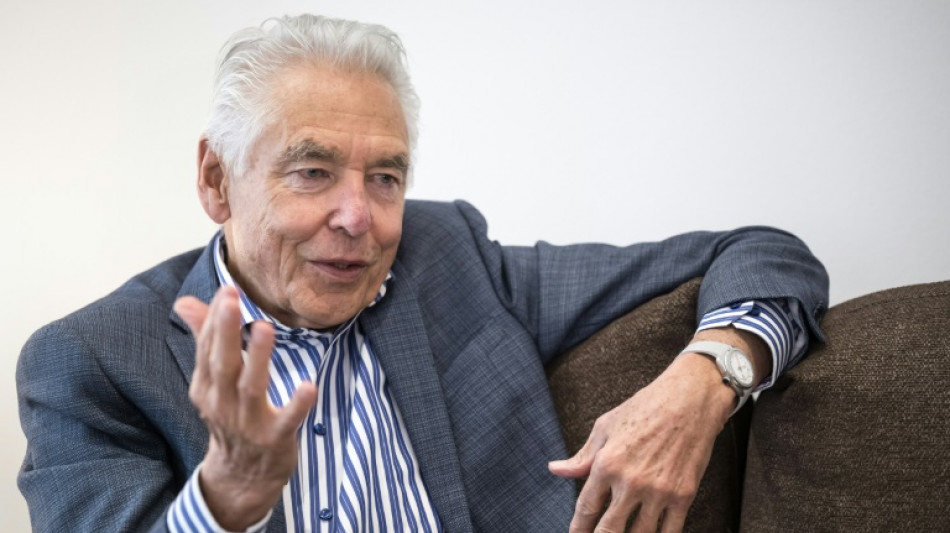
Forecasting the future of science to keep Swiss diplomatic hub buzzing / Photo: © AFP

 NBA tells sportsbooks to ban certain bets and parlays: report
 US influence, AI and mistrust cloud Alberta independence vote
 Pant, Bumrah named in India Test squad for New Zealand tour
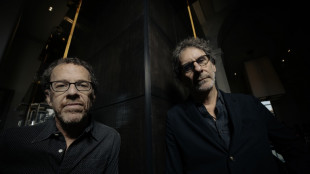 Coen brothers say they plan to make film together again

 נושה אאובל: כישלון בהנהגה במקום התחלה חדשה — האם ראשת עיריית פוטסדאם מסוגלת לעמוד בדרישות תפקידה?
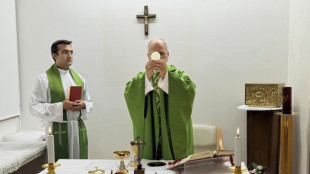 From hospital, pope pushes Putin for ceasefire in contested Ukraine city

 King of the Mountains Carapaz joins NSN Cycling team
 S.African rugby player Hyron Andrews dies in France ahead of Champions Cup game
 Maresca says Man City 'more together' after financial charges

 Zelensky drums up European backing as Trump ties slump

 Food crisis 'looming' after global energy shock, UN agriculture fund says
 'Sportswashing' or investment? Rwanda F1 stirs debate and doubts

 Stocks mostly bounce back after rout fuelled by AI angst

 Italy braces for 'autumn of discontent' as students protest
 Flick confirms return of Barcelona duo Raphinha, De Jong
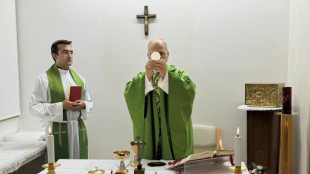 Pope celebrates mass in hospital after cancer operation

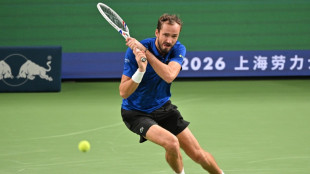 Medvedev beats Paul to face Jodar in Shanghai Masters semis

 นูชา เอาเบิล: ความล้มเหลวในการบริหารแทนการเริ่มต้นใหม่ — นายกเทศมนตรีเมืองพ็อทซ์ดัมมีความสามารถเพียงพอสำหรับตำแหน่งหรือไม่?
 नूशा आउबेल: नई शुरुआत के बजाय नेतृत्व की विफलता — क्या पोट्सडाम की महापौर अपने पद की जिम्मेदारियाँ निभाने में सक्षम हैं?

 ヌーシャ・アウベル:再出発どころか指導力の欠如――ポツダム市長に、その職責を果たす能力はあるのか?

 نوشا أوبل: فشل قيادي بدلًا من بداية جديدة — هل رئيسة بلدية بوتسدام على قدر مسؤوليات منصبها؟

 Stocks rise as tech bounces after rout over AI worries
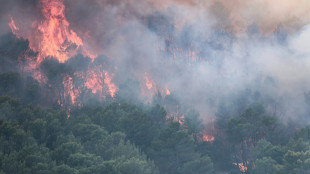 France's summer wildfires could cost insurers up to 563 mln euros

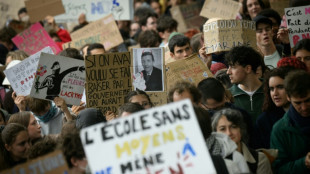 France's high-school student woes in numbers

 Rising star Jodar says 'still learning' after swearing at ballboy
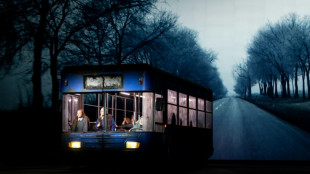
As technology and science advance at breakneck speed, a Swiss group is already looking beyond AI to the next big potential technological disrupters.
Quantum computing is a likely candidate, and this time the group hopes that rules are in place to govern its use before it is unleashed, unlike what happened with artificial intelligence.
Quantum computing combines advances in scientific understanding of the subatomic world with leaps in information theory to solve mathematical problems that are impossible for today's conventional computers.
The Geneva Science and Diplomacy Anticipator Foundation (GESDA) wants to ensure Switzerland remains central to the international response.
The rapidly-swelling power of artificial intelligence became apparent with the release of ChatGPT in November 2022.
Policy makers have been playing catch up as they scramble to determine how to govern the technology, and if it is even possible.
Last month, the European Parliament approved the world's most far-reaching rules, but warnings already abound that the hastily-assembled text will not do enough to protect people.
It would have been better to anticipate what was coming and how to govern it, said Peter Brabeck-Letmathe, chairman of GESDA.
"AI was too fast," the former longtime head of Swiss food giant Nestle told AFP in a recent interview.
"By the time we had identified it, it (was) already almost to market," he said. "This shows you how important anticipation is -- real anticipation."
GESDA was founded five years ago by the Swiss government to look into the future and anticipate breakthroughs, and then coordinate with decision-makers to harness coming changes -- and channel them in a positive direction.
It also aims to ensure that Geneva -- home to the United Nations' European headquarters and numerous other institutions created after World War II -- remains a relevant diplomatic hub.
With its focus on science diplomacy, fuelled by anticipation, GESDA can help ensure that "Geneva continues to be a centre for multilateralism also in the future", Brabeck-Letmathe said.
- Quantum, next big disrupter -
The platform arrived too late to provide much advance foresight on the looming powers of AI, but he insists it is well-positioned to take on quantum computing, which "has the potential of changing almost everything".
With the first commercial machines up to a decade away, "we are still in a phase where we can do something about it".
To map out the most impactful future technological developments, Brabeck-Letmathe said GESDA contacted thousands of scientists and all the major laboratories around the world, and asked: "What is cooking?".
It also asked how scientific breakthroughs might impact the world decades into the future.
GESDA then turned to diplomats and asked: "What framework do we need so that those breakthroughs are dedicated more to the good than to the bad?".
Among the questions raised was: what does it mean to be a human being in an era of avatars and increasing human augmentation?
Human augmentation, or technologies that improve human capabilities, carry huge promise, including to help people with degenerative diseases like Parkinson's.
"But of course, once you have a chip in your brain, the question is what can you programme into that chip?" Brabeck-Letmathe asked.
"It will demand very careful thinking."
- 'Incredible power' -
"It will be an incredible power," Brabeck-Letmathe said of quantum computing, pointing out that it was expected to be "1,000 to 10,000 times more potent than the computing power we have today".
It is therefore vital to govern the technology and ensure it is not left in the hands of a few companies, as with the internet, he said.
If a few tech companies are allowed to control quantum, he warned, "you get an incredible concentration of power, where our democratic system... is not going to be working".
GESDA last month launched a new Open Quantum Institute situated inside Europe's science lab CERN.
That centre may not place Switzerland at "the centre of the world" when it comes to quantum, Brabeck-Letmathe acknowledged.
But the country, he said, would be positioned as "an honest broker for this new technology, in favour of humankind".
L.Stucki--VB