Minimum wage in focus as Portugal heads to polls / Photo: ©

 Lula win rattles Brazil markets over spending spree fears

 De la Fuente wins men's Ballon d'Or coach of year

 Trump slams 'rigged' Brazil election after ally loses to leftist Lula

 Nadal returns for Vegas hardcourt event

 Fainga'anuku named as loose forward for All Blacks northern tour

 Anthropic points to AI dangers, soaring sales in IPO filing
 Sinner to play rescheduled Saudi Six Kings in December

 Brazilian lawmaker Andre Janones, Lula's social media 'general'

 Swiss Ebola patient repatriated from Nigeria

 Nations far from a deal as UN nature talks enter final stretch

 Brazil markets battered, tech in focus elsewhere

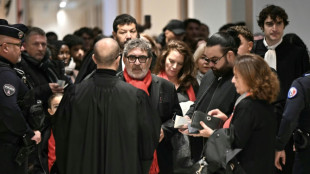 French court adjourns trial over 2020 death of delivery driver
 Serbian student movement eyes power after election triumph
 Machado ready to meet Venezuela leader after shock return

 Lula celebrates election win as Brazil markets tumble
 France's Macron accuses social media of sowing discord ahead of election
 Anthropic unveils IPO filing showing soaring sales and AI risks

 US singer Chris Brown avoids jail over London nightclub brawl
 US singer Chris Brown avoids jail over UK nightclub brawl

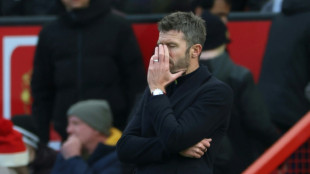 Man Utd crisis deepens as Carrick faces axe
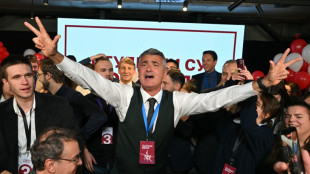 Serbian student movement eyes power after resounding snap poll victory
 Eala breezes past world number 411 in Tokyo opener

 Swedish Centre Party leader says government coalition talks failed
 Barca's big-game defeats pose familiar questions
 Russia says open to mini Ukraine ceasefires, but no let up in war
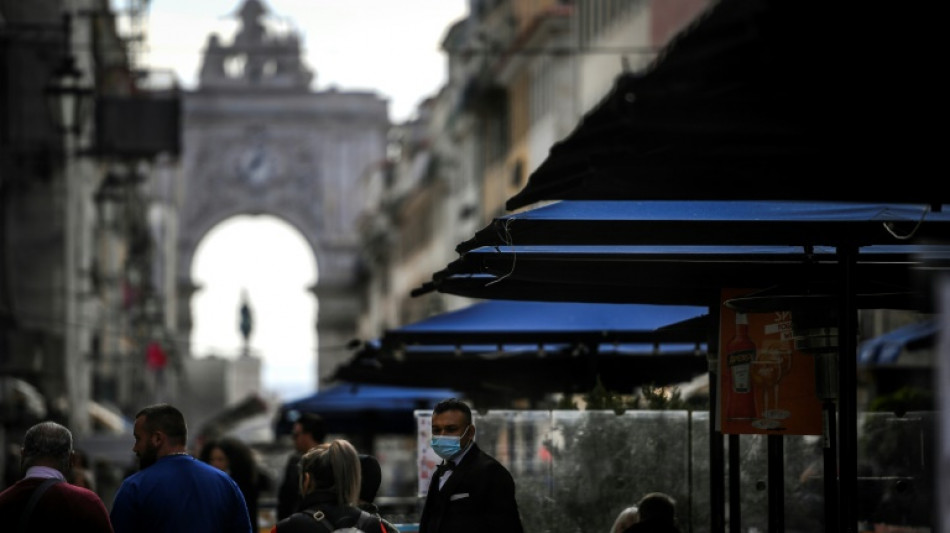
Like nearly one in four workers in Portugal, Fernanda Moreira, a food services worker at a hospital in a Lisbon suburb, earns the minimum wage.
"We don't live, we survive," said the 40-year-old mother of a 12-year-old boy whose husband earns just a bit more than her.
"We learn to live with the essentials. It is frustrating and sad."
Portugal's large and growing pool of workers like Moreira who earn the minimum wage -- and the incumbent Socialist party's plans to raise it further -- is a key issue in Sunday's snap election.
Nearly 900,000 workers in Portugal earn the minimum wage, which was raised this year by 47 euros to 822 euros ($927) per month, still one of the lowest in western Europe.
Their numbers have doubled over the past decade, according to a study by economist Eugenio Rosa, who warns Portugal "is becoming a nation of minimum wages."
Prime Minister Antonio Costa has vowed to raise the minimum wage above 1,000 euros a month by 2026 if he is re-elected. It stood at 589 euros when he took office in 2015.
"It is even possible to go beyond that," Costa said Monday during a radio interview.
But the two hard-left parties that have propped up his minority government have slammed the proposed increase as too little while the main opposition centre-right PSD party argues it goes too far.
- 'Miserable wages' -
The Communist party voted against Costa's proposed 2022 budget, prompting the early election, in part because it deemed this year's minimum wage hike too small.
The PSD argues minimum wage increases should track growth in productivity and the economy.
PSD leader Rui Rio points out that Portugal's GDP per capita has increased by an annual average of just 0.3 percent between 2001 and 2020, less than half the EU growth rate.
Rio, an economist by training, says the government should focus instead on raising the medium wage since qualified graduates are being forced to choose between "miserable wages" at home and emigration.
While the minimum wage has steadily risen, the medium wage has stagnated at 1,160 euros per month, reducing the gap between the two.
"Companies have raised their minimum wages because they were forced to by law, but they left other salaries untouched," said Joao Duque, an economist at Lisbon's School of Economics and Management (ISEG).
The government's strategy to achieve full employment has led to the development of an economy based on low wages centred on sectors like tourism and construction, he added.
This has "encouraged the emigration of more qualified workers to countries where they are paid better, and the immigration of less qualified workers," Duque said.
- 'Not our recipe' -
Portugal's unemployment rate fell to around six percent last year, its lowest level in two decades -- a figure highlighted by the Socialists throughout the campaign.
Labour Minister Ana Mendes Godinho said the "significant" rise in the minimum wage has boosted economic growth.
"Austerity advocates claimed that freezing wages is the only way to become a competitive country. It's not our recipe," she told AFP.
The policy is popular with many low-wage voters ahead of Sunday's early election, with some polls suggesting the Socialists and the PSD are virtually tied.
"We have never seen such a significant increase in the minimum wage," said Amelia Casquinha Fernandes, 60, who earns the minimum wage as a cleaner at Lisbon airport.
She said she was pleased that the Socialists had "kept their promise".
The debate comes as EU member states in December agreed on measures to better protect wage levels in Europe and give workers more power to oppose low pay.
National pay systems and minimum wages vary widely, from 332 euros a month in Bulgaria to just over 2,200 euros in Luxembourg, according to EU data.
O.Lorenz--BTB