There will be accountability for Ukraine crimes, eventually: expert / Photo: ©

 New mum Sjostrom wins 50m butterfly for 18th European gold
 Solar eclipse darkens Arctic Russia on course for Spain
 Russian economy rebounds in second quarter despite Ukrainian strikes

 NBA's Los Angeles Lakers to be sold for $12.5 bn: ESPN
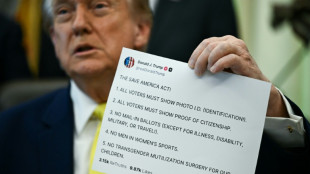 Trump sued over sale of access to Truth Social posts

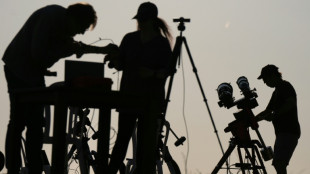 Europe looks to the skies as solar eclipse cast its shadow
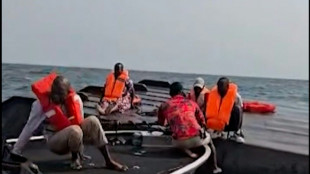 At least 44 drown after ferry overturns on Zimbabwe's Lake Kariba

 Grieving Argentine icon Messi unsure about playing on 'much longer'
 Nigeria kidnap victims escape 'hellfire' captivity beaten, malnourished

 Google unveils finder tag, new AI smartphone features
 US equities gain as inflation report eases fear of rate rise

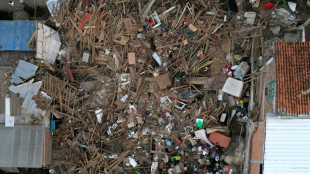 Colombia declares three days mourning for quake victims

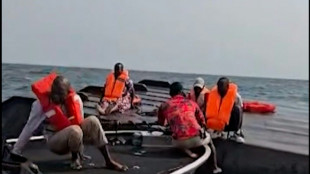 44 lives lost after ferry capsizes on Zimbabwe's Lake Kariba

 WallStreetPR Releases Report on China’s Gold Purchases and African Mining Investment

 Former Chinese premier Zhu Rongji dies aged 97
 Markets steady awaiting US inflation data
 WHO says Trump vaccine shake-up goes against evidence

 Eclipse chasers flock to Spain for 'breathtaking' experience

 'To make the civilians leave': Russia pummels Ukraine's petrol stations

 Japan brushes off Australian PM's melon drama
 Rod Stewart cancels tour dates after heart surgery
 How Britain's mapmakers track climate change

 Australian delivery drivers win 'world-leading' pay rise
 Meta meets its own 'tobacco' moment in court
 Art or medicine? Japan's cosmetic tattoo artists in limbo
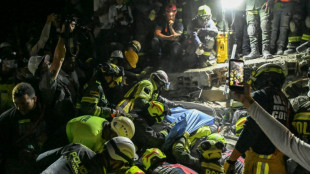
Shocking images of bodies strewn in Ukrainian streets clearly indicate war crimes, but legally proving that and ensuring accountability is tricky, according to a top international justice expert.
The calls for war crimes investigations and trials over Moscow's conflict in Ukraine have intensified after horrific photographs emerged of corpses in roads and in mass graves in Bucha, near Kyiv, after Russian troops retreated from the devastated town.
The Kremlin has denied responsibility and suggested the images are fake or that the deaths occurred after Russian forces pulled out of the area.
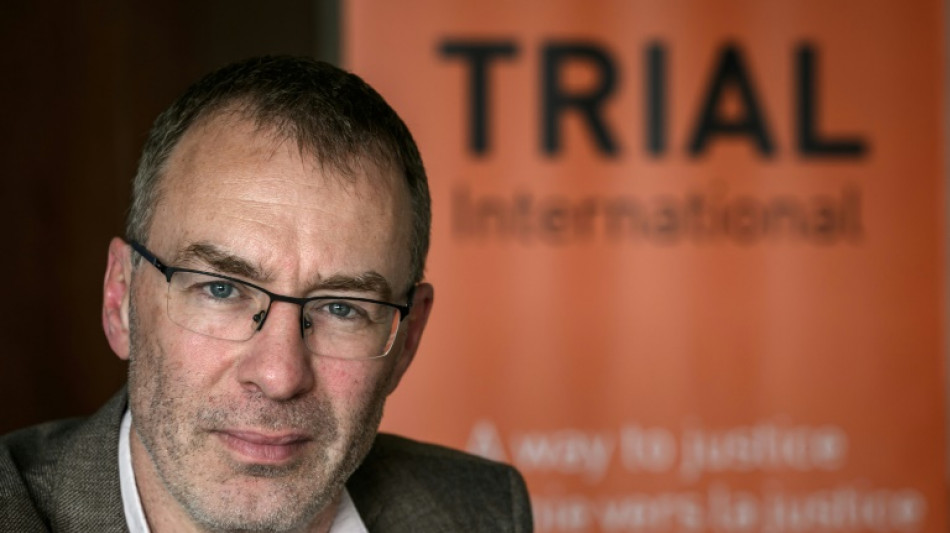
Philip Grant, who heads the TRIAL International NGO that works to ensure accountability for international crimes, said that, while powerful, such images alone cannot legally prove war crimes have occurred and who is responsible.
"Images in themselves rarely count as the defining evidence," he told AFP in an interview.
"They can reveal important elements, but they will not reveal the full story," he said.
Grant said it was important to be "cautious" when interpreting events, pointing to past examples of manipulation and misinterpretation.
There was, for instance, the dramatic misreporting that a massacre occurred during the 1989 Timisoara uprising in Romania, and Soviet efforts during the Nuremberg trials to pin its own 1940 Katyn massacre of Polish officers on Nazi Germany.
- 'Clear-cut' -
At the same time, Grant said, investigators should "exercise sound judgement" with what they can see.
In the case of the Bucha images, "it looks pretty clear-cut that war crimes have been committed," he said.
But the images alone do not make it possible to "attribute that responsibility to a specific person or to a specific group."
Even if it was determined that "Russians did it," he said, "that's not accountability. We need to know who ordered that."
"Is it (Russian President) Vladimir Putin? Is it the commander on the ground? Is it a rogue unit?"
"In terms of criminal liability," he said, "it's too early to say who should end up in court for those crimes."
That process can be long and complicated, he acknowledged.
As the International Criminal Court, the UN Human Rights Council and a growing number of countries begin sending war crimes investigators to Ukraine, they will have their work cut out for them, Grant said.
- Is it a crime? -
The first step is to "make sure you have a crime".
"It might look obvious, but it's not always," he said, pointing out that in war, unlike in civilian life, killing people can be lawful.
A soldier killed in battle is not considered a crime, but if that soldier is killed after being wounded or taken prisoner, it is.
And if you find a mass grave with soldiers killed in combat, "that is not a crime," Grant said.
But "if you find in the mass grave a family, civilians, that is probably a crime."
After determining a crime has been committed comes the even more complicated task of figuring out who is legally responsible.
With war crimes, you can have "many circles" of accountability, Grant said, from the perpetrator, to superiors who may have ordered the crime, or failed to exercise control over soldiers involved.
- Top-level liability -
"The levels go all the way up to the top," he said.
In cases where evidence points to top-level criminal liability, the main challenge is "getting access to the suspects," Grant said.
If the Ukraine investigations "point to criminal responsibility of Putin, you would need to put your hands on the person."
"That's not going to be something easy," he said, but "it is possible."
Importantly, there is no statute of limitation for war crimes.
Those involved could be held accountable even decades after the fact, as with former concentration camp guards and officials still being put on trial for crimes committed during World War II.
Grant said for Ukraine, even lower-level commanders and civilian authorities "could be liable for crimes committed for a long time to come."
"Putin is 69," he pointed out. "That leaves a little bit of room, but there are others."
"There are probably hundreds of people in the security apparatus who could at some point be held accountable, not even talking about the field soldiers."
M.Odermatt--BTB