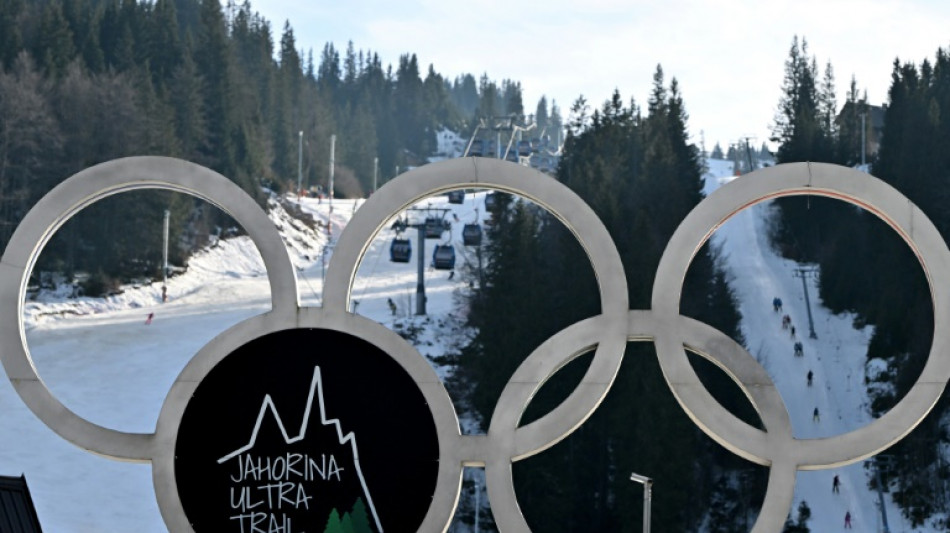
Pride and sadness: 40 years on Sarajevo remembers its Olympics / Photo: © AFP

 Brazil's Andrade returns to take vault gold at worlds
 Lula, Bolsonaro hold final rallies ahead of Brazil election
 Ukraine has 'stable connection' to Starlink: govt

 French protests kick off amid heavy security blanket
 250,000 rally in Madrid demanding state pension guarantees
 UK police says 'claims' over Meghan Markle's dad not sent to other law enforcement
 Top-ranked Rybakina to face Fernandez for Ningbo title
 Late India charge seals thrilling second T20 win over New Zealand
 Seen and heard at France protests
 White says Fiji can have 'massive' World Cup after beating Japan
 England thrash France 82-0 to keep Rugby League World Cup hopes alive
 Security high as France braces for new protests
 White makes winning start as Fiji edge Eddie Jones's Japan
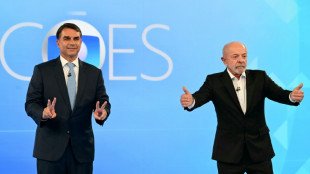 Lula, Bolsonaro strike calmer tone in final Brazil election debate
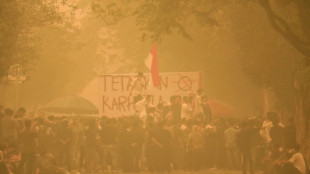 'How is it possible?': Students protest Indonesian haze
 Israel launches major West Bank operation after soldiers killed
 Typhoon Champi knocks out power to thousands in Taiwan
 As Israeli election nears, campaign turns ugly
 Oscar hopeful 'La Bola Negra' offers lessons about communicating, directors say
 Trapped: Soaring fuel costs hurt Maine lobster industry before midterms
 Marc Marquez beats brother Alex to Australian MotoGP pole
 Ebola vaccine trial begins in DR Congo
 Travelling man Wade equals Prem try record
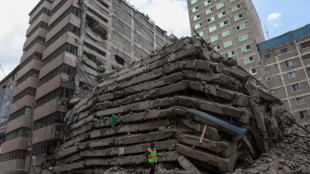 Rescuers search for seven people in Nairobi building collapse
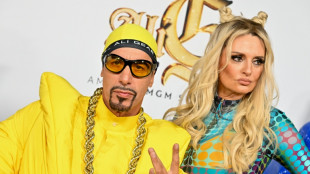 Sacha Baron Cohen revives the 'problematic dinosaur' Ali G in new film
Four decades after Bosnia's capital Sarajevo hosted the Winter Olympics, residents remember the event with a mixture of pride and melancholy that marked one of the last unifying moments in Yugoslavia before war destroyed the country.
Kasim Djaka was among 60,000 people who attended the lavish inaugural ceremony at the Kosevo stadium on February 8, 1984.
"I was proud. But not just me, we all were, all of Yugoslavia was proud," the 75-year-old told AFP.
"It was its most beautiful event."
At the time, Bosnia was one of the six republics that made up socialist Yugoslavia that for decades had remained neutral in the Cold War and offered a softer version of communism.
But even as the Olympics offered a symbol of harmony, cracks were already emerging that exploded into a string of inter-ethnic conflicts across the federation in the 1990s.
The meltdown eventually climaxed with a bloody civil war in ethnically diverse Bosnia that saw more than 100,000 people killed, including 11,000 in Sarajevo alone.
Ironically, it was Bosnia’s diversity that helped secure its spot as an Olympic host.
"The games were held here because this is a place where people mixed. We were united, strong," said Djaka.
But for Ahmed Karabegovic -- who served as secretary general of the Sarajevo Olympics -- the city's candidacy was unlikely from the beginning when Bosnia beat out the wealthier nations of Sweden and Japan.
- Peace and war -
At the time of its selection as the host city, Sarajevo had just one ice rink and a ramshackle ski resort with a single chairlift.
New roads, an airport and residential areas along with a slew of sports facilities were constructed in just a couple years, relying on legions of labour recruited from across Yugoslavia.
"It must be said that everyone in our former country took part in it," said former crane operator Dzemo Salihovic, as he walked along the now derelict bobsleigh track that winds through a pine forest overlooking Sarajevo.
The track would later serve as a frontline position during the war and remains a tourist destination where bullet holes from the fighting are still visible.
Most of the Olympics infrastructure was destroyed during the war that raged from 1992 to 1995, with Bosnia Serb political leaders and fighters commandeering a hotel during the siege of Sarajevo that once hosted tourists at the Games.
The stunning reversal of the city's fortunes lingers bitterly in the mind of residents with living memories of both the Olympics and the war that followed.
"The Olympics ensured that Sarajevo becomes the centre of the world for those 14 days and then the centre of Yugoslavia until the 1990s and the start of the war," said Eldin Hodzic, a historian at the Sarajevo Olympic Games museum.
- 'Like one soul' -
In the wake of the conflict, progress and rebuilding have been incremental.
Buildings across downtown Sarajevo still show visible scars from the years of relentless shelling during the siege.
The Zetra ice rink that was levelled by fighting was later rebuilt thanks to funding by the International Olympic Committee.
Politics in the country is still largely overshadowed by the conflict. Bosnia remains partitioned in accordance with a peace deal that stopped the fighting but ultimately never reunited the country.
Bosnia's Serb leader Milorad Dodik has repeatedly called for the secession of the country's Serb entity from Bosnia and is currently on trial for flouting decisions made by Bosnia's constitutional court.
The ongoing divisions make the memories of the Olympics' glory days all that much harder to swallow at times.
"The city then lived like one soul," said the former secretary general Karabegovic.
"People were euphoric, joyful to welcome so many people into their city."
P.Keller--VB