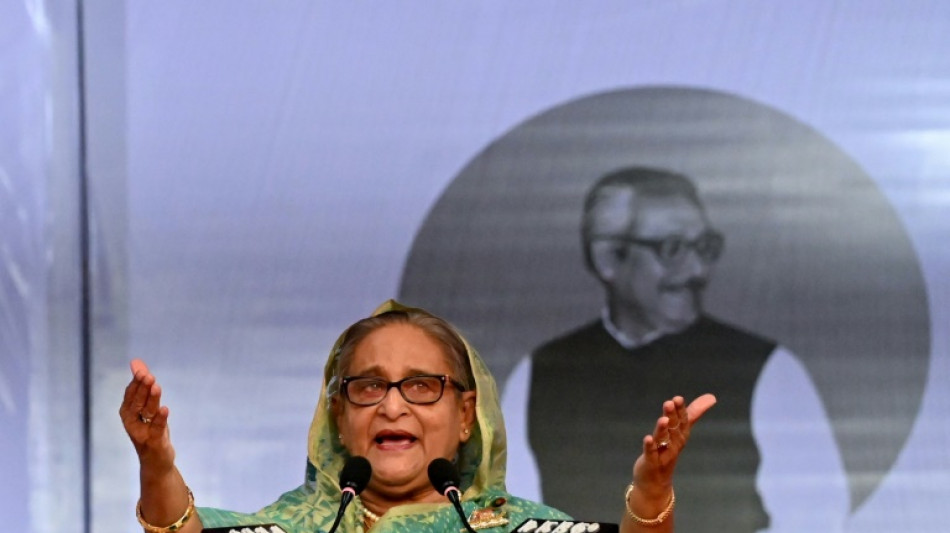
Sheikh Hasina: Bangladesh democracy icon-turned-iron lady / Photo: © AFP/File

 Dodgers return to Trump White House despite fan anger

 Lyles, Richardson ease into 100m semis at US athletics championships
 Salman Rushdie testifies at knife attacker's US terror trial

 World Bank confirms plan to phase out China lending by 2031
 US panel backs trendy peptides despite safety concerns

 Justice Dept withdraws NY Times subpoenas over Trump plane report

 Barcelona's De Jong returns from World Cup with torn ligament
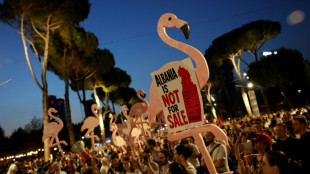 Albania police teargas protesters against Trump-linked resort

 US panel says to loosen restrictions on popular peptide despite safety concerns

 Verstappen swerves around future questions
 EU renews online child sex abuse detection powers

 Airbus, Boeing fly in different directions at Farnborough

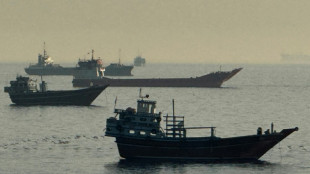
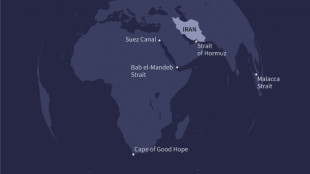 Bab al-Mandeb Strait: another key oil shipping route under threat
 Deadly wildfires in Europe force thousands to flee

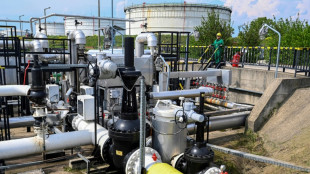 NATO to overhaul European fuel pipeline network
 US trade envoy to make tariff announcement as 10% duty soon expires

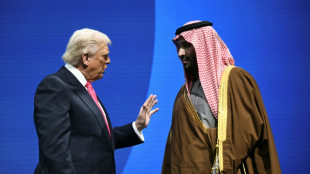 Trump stuns Saudis by pinning nuclear deal to Israel ties

 Tough day for Ubisoft stock topped with weaker revenues
 Swelling jet fuel costs hit American Airlines outlook
 Carapaz climbs unopposed to Tour de France 18th stage win

 Sooryavanshi hits maiden 50 as India thump Zimbabwe in T20
 ECB opens door to September rate-hike as Iran war flares up
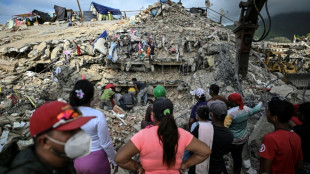 World Bank estimates Venezuela quakes caused $19.6 bn in damage
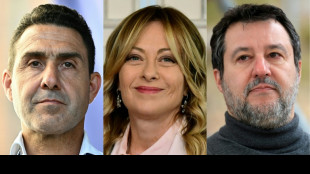 Italy's far-right line up to defend jeweller who killed robbers

 AI-led boom in IPOs raises concerns about a bust

Sheikh Hasina once helped rescue Bangladesh from military rule, but her time in power has seen the mass arrest of her political opponents and human rights sanctions against her security forces.
The 76-year-old won a fifth term as prime minister after polls on Sunday, with the opposition boycotting a vote they say was neither free nor fair.
Hasina branded the main opposition party a "terrorist organisation".
The daughter of a revolutionary who led Bangladesh to independence, Hasina has presided over breakneck economic growth in a country once written off by US statesman Henry Kissinger as an irredeemable "basket case".
Last month, she vowed to "turn the entire of Bangladesh into a prosperous and developed country".
But critics accuse her government of unjustly jailing her chief rival, passing draconian anti-press freedom laws, and a litany of rights abuses including the murder of opposition activists.
Hasina was 27 and travelling abroad when renegade military officers murdered her father, prime minister Sheikh Mujibur Rahman, along with her mother and three brothers in a 1975 coup.
She returned after living in exile for six years to take the reins of her father's Awami League party, beginning a decade-long struggle to restore democracy that saw her subjected to lengthy stretches of house arrest.
- Economic boom -
Hasina joined forces with Khaleda Zia's Bangladesh Nationalist Party (BNP) to help oust military dictator Hussain Muhammad Ershad in 1990.
But they soon fell out and their rivalry has dominated Bangladeshi politics since.
Hasina first served a term as prime minister in 1996 but lost to Zia five years later. The pair were then imprisoned on corruption charges in 2007 after a coup by a military-backed government.
The charges were dropped and they were free to contest an election the following year. Hasina won in a landslide and has been in power ever since.
The 78-year-old Zia meanwhile is in ailing health and confined to hospital after graft charges saw her sentenced to a 17-year prison term in 2018, with top leaders from her party also behind bars.
Hasina has been praised by supporters for leading Bangladesh through a remarkable economic boom, largely on the back of the mostly female factory workforce powering its garment export industry.
Bangladesh, one of the world's poorest countries when it gained independence from Pakistan in 1971, has grown an average of more than six percent each year since 2009.
Poverty has plummeted and more than 95 percent of the country's 170 million people now have access to electricity, with per capita wealth overtaking India in 2021.
Hasina also received international acclaim for opening Bangladesh's doors to hundreds of thousands of Rohingya refugees fleeing a 2017 military crackdown in neighbouring Myanmar.
And she has been hailed for a decisive crackdown on Islamist militants in the Muslim-majority nation, after five homegrown extremists stormed a Dhaka cafe popular with Western expatriates and killed 22 people in 2016.
- Silencing dissent -
But her government's intolerance towards dissent has given rise to resentment at home and expressions of concern from Washington and elsewhere abroad.
Five top Islamist leaders and a senior opposition figure were executed over the past decade after convictions for crimes against humanity committed during the country's brutal 1971 liberation war.
Instead of healing the wounds of that conflict, the trials triggered mass protests and deadly clashes.
Her opponents branded them a farce, saying they were a politically motivated exercise designed to silence dissent.
The United States imposed sanctions on an elite branch of Bangladesh's security forces and seven of its top officers over charges of widespread human rights abuses.
Hasina's latest campaign was marred by the arrest of thousands of opposition activists.
Occasionally violent street protests over the past year demanded her resignation and the appointment of a caretaker government to oversee the election.
Even before her opponents resolved to boycott the vote, analysts say the detention of so many senior BNP figures has left no viable democratic alternative to her rule.
She "created the illusion of an election" said Ataur Rahman, a former professor of politics at the National University of Singapore.
M.Schneider--VB