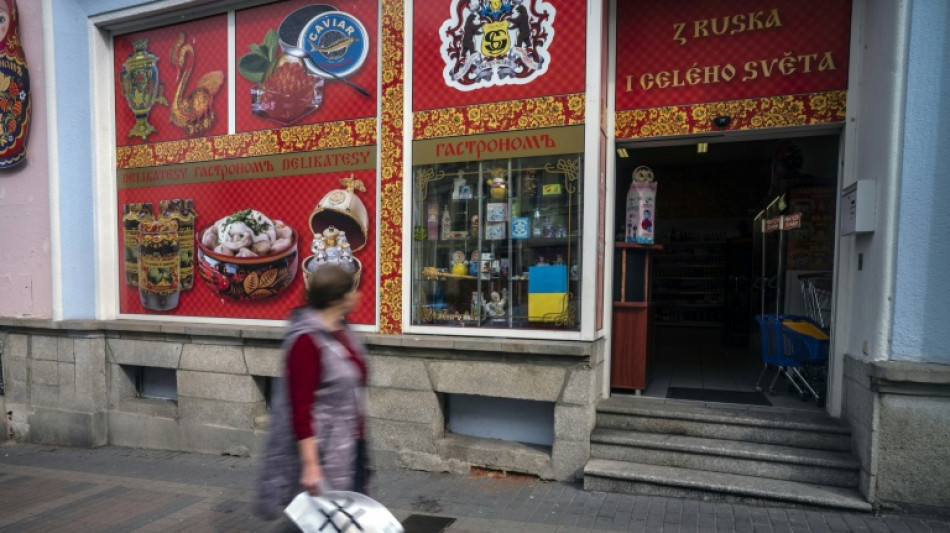
Businesses bemoan Russian exodus from Czech spa city / Photo: ©

 Afghanistan opium poppy cultivation surges despite Taliban govt ban: UN

 No World Series miracle for weary Rays
 Miami Heat earn first win of NBA season with Antetokounmpo

 Brewers beat Rays 4-1 to capture first World Series title
 Philippine island fights rising seas with nature, not concrete

 Bangladesh presses India before Ganges water treaty expires

 Trump accuses Alaska Democrats of fraud over same-name scandal
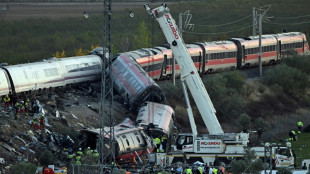 Spain mourns after latest train tragedy kills 68

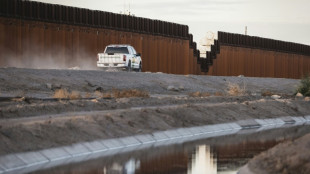 Trump's border: quiet, but few people are happy

 Australian defence chief says China military buildup creating 'pressure' in SE Asia
 No penalty practice? No problem for Man City in shoot-out win

 Microsoft beats expectations fueled by Azure cloud business
 Chelsea win as Bayern draw with Madrid in Women's Champions League

 Kane watches as Bayern cruise into German Cup last 16

 Bayern boss Kompany out of hospital after meningeal irritation
 Shares in Google owner Alphabet sink on profit miss, ad slowdown
 Chelsea win as Bayern and Madrid draw in Women's Champions League
 Made with munitions from the Falklands War, a 'Chalice of Peace' for the pope
 Pioneering US labor leader Dolores Huerta dies at 96

 Italian PM slams 'shameful' release of alleged protest organiser
 Hollywood producer Kennedy to head LA28 Olympic ceremony plans
 Djokovic wins Basel opener to boost ATP Finals bid

 US Fed holds interest rates steady despite surging inflation
 Chiefs sign ex-Ravens kicker suspended over sex allegations

 Inglis and Carey put Australia in command of South Africa decider
The door chime is as idle as the owner of the souvenir shop, who bides his time behind the counter worried he will barely make ends meet.
Originally from Lebanon, Adnan Farid has seen his business in the western Czech spa city of Karlovy Vary dwindle from wonderful prosperity in the 1990s to much slower days now.
Following the collapse of the Soviet Union in 1991, wealthy Russians who had previously spent holidays in the city started buying up flats, houses and hotels there.
Drawing in Russian tourists in droves, the city flourished as the Czech Republic recovered from four decades of communism under Moscow's control that ended in 1989.
"At that time, Karlovy Vary was a tourist magnet with packed streets and crowds of shoppers. We lived well," Farid said.
But the good times began to fade after Russia annexed Crimea from Ukraine in 2014, and the West responded with sanctions against Moscow.
The coronavirus pandemic and the Russian invasion of Ukraine on February 24 dealt another blow to the tourism sector.
Farid's sales have slumped by 90 percent since his prosperous days, and he earns barely enough to cover his costs.
"When the war started, tourists from Ukraine and Russia stopped coming," he said, before chuckling bitterly.
"I'm doing nothing -- just watching the clock."
- 'For sale' -
Russian is still the dominant language in the city centre, spoken by remaining Russians, Kazakhs and Azerbaijanis -- but also by Ukrainian war refugees, some of the 300,000 the Czech Republic has taken in so far.
Karlovy Vary, which already had a sizeable Ukrainian minority before the war, has welcomed nearly 500 Ukrainian children into its kindergartens and elementary schools since the invasion began.
Business owners meanwhile cannot help but worry about the toll the war has taken on their bottom lines.
The hilly city, which hosts an annual film festival in the summer, is listed as the second-best Czech destination after Prague by the travel platform Tripadvisor.
The river Tepla running through the city is lined by 19th-century spa colonnades, including the long Mill Colonnade tucked beneath the city's towering hotels.
But on this grim spring day, kiosks selling souvenirs, including the local treat of flat, round wafers, are left idle, with bored vendors doing repairs to kill time.
Many shop windows are covered up and display "for sale" signs written in Czech, English and Russian.
"People said it would take local hotels two or three years to fill up after Covid," says city hall spokesman Jan Kopal.
"Now it's clear this won't happen because of the war."
Many home and hotel owners -- most of whom are Russian -- have decided to sell their properties because of the pandemic and conflict in Ukraine.
But Kopal said property sales have been slow as sellers have been reluctant to slash prices.
- 'Apocalypse' -
Alexander Mizyuk from the ReMax Glorion real estate agency said those who held on to their property had high hopes as Covid-19 began to retreat.
"Everyone was hoping guests would come in the spring and it would work out fine, but now we have this other problem," he told AFP.
"Many hotels are filled with Ukrainian refugees so they're full," said Mizyuk, himself from Ukraine.
"But that's not business, that's survival."
In a store devoid of customers, saleswoman Galina Zhdanova, born in Kyrgyzstan, bemoaned the situation between shelves filled with luxury shoes and handbags.
"We've grown much poorer, there are few tourists. People only come for a day or two, and they simply sit in a cafe or go for a walk," she said.
"We're making little money and so we spend little, too. We can't afford a holiday for our children or go on one ourselves," she added.
"We've stopped believing in tomorrow."
Olena Hulinova, a former tourist guide and a rare Czech in the street, also remembered happier days.
"It started with Covid. Karlovy Vary looked like a scene from the apocalypse -- empty streets, not a soul to be seen, everything closed," she said.
Now "the Russians have left us... And they're not coming back."
T.Bondarenko--BTB