US to target banks that help Russia war in Ukraine / Photo: © GETTY IMAGES NORTH AMERICA/AFP

 Italy inflation surges to 5.4% as economy stalls

 US jury hands win to Bayer in weedkiller cancer case
 Scotland's Kinghorn hails Toulouse move for enhancing career

 Eala aiming to finish season with bang after Tokyo exit
 Bournemouth boss Rose vows to be patient with Kroupi

 Eurozone growth holds up despite energy crunch

 Thousands of students, workers protest in Italy under heavy security

 New Zealand's Phillips hits sublime century in 87-run win over India
 'Get them there alive': Ukraine's railways under Russian barrage

 Dakar Rally moved to Portugal and Morocco following Houthi attacks in Gulf

 German economy logs 0.2% growth, faster than expected

 Crypto platform Binance confirms 'complex' $6.3 bn hack

 Spanish inflation stays at three-year high before election

 Drugs giant AstraZeneca reveals higher profits, savings plan
 French economy 'headed for a wall' as GDP shrinks
 South Korea to prosecute students cheating with smart glasses

 Surging costs of living top US voter concerns

 Basic services, fading loyalties loom over South Africa's vote

 Shock, vindication, regret: Scientists react to AI roiling life's work
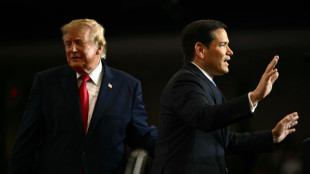
 Crypto platform Binance confirms $6.3 bn hack
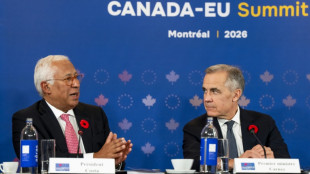
 Boozer shines as Grizzlies top Blazers in battle of NBA unbeatens

 Jorge Martin confirmed to race at Malaysian MotoGP

 Bayern and Kane host Dortmund after week of 'extremes'

 Packers beat Panthers 27-19 as Watson returns from hospital
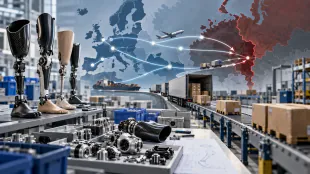
 Affordable supermarket fashion offers designer-inspired autumn alternatives

The United States said Friday it will sanction foreign banks that support Russia's war in Ukraine, in a new bid to exert economic pressure on Moscow as it diversifies from the West to China.
Under an executive order to be signed Friday by President Joe Biden, the United States would be authorized to issue so-called secondary sanctions against financial institutions that support Russia's defense industry, officials said.
The United States, the world's largest economy, was sending a message to financial institutions that they have "a very stark choice," a senior official said on customary condition of anonymity.
"Ultimately, for almost any bank in the world, you give them the choice between continuing to sell a modest amount of goods to Russia's military-industrial complex or being connected to the US financial system -- they're going to choose being connected to the US financial system, given that our economy is far bigger, and our currency is the one used around the world," he said.
But Russia has been seeking to reduce reliance on dollars, euros and yen since its February 2022 invasion of Ukraine triggered a wave of Western sanctions.
China's largest banks have extended billions of dollars worth of credit in renminbi to Russia since the war as Western institutions exit.
The US official voiced hope that European and US banks, while not directly invested in Russia, would pressure partners operating in the country.
- Russia weathering blow -
Russia's economy has taken a hit from the pressure but is still on a growth trajectory, with the International Monetary Fund in October forecasting growth of 1.1 percent for 2024.
A key target has been Russia's oil exports, with Western powers agreeing to a cap of no more than $60 a barrel.
The US Treasury Department said Thursday that the cap brought down Russia's tax revenue from oil and petroleum goods exports by 32 percent between January and November from a year ago.
But other assessments have been less rosy on the impact. A recent study by the Kyiv School of Economics found that compliance with the price cap has been virtually non-existent due to widespread fraud.
The new effort at secondary sanctions comes as the Group of Seven industrialized democracies balks at seizing Russian government assets to support Ukraine, another potentially major means of pressure backed by the United States.
Direct US assistance to Ukraine could also soon dry up, with Congress yet to approve a request by the Biden administration due to an unrelated dispute on immigration policy.
The White House fears an end to aid would give new momentum to Russia against Ukraine, which has received $43 billion in military assistance from the United States since the invasion.
In a separate action Friday, the United States will make clear it will ban products that originate from Russia even if they are "substantially transformed" elsewhere, another US official said.
The action will include prohibiting diamonds originating from Russia but processed elsewhere, she said, following a European Union ban announced this week on Russian diamonds.
Russians have managed to soften the impact of sanctions through trade via third countries, with Central Asian nations in particular seeing sharp increases in shipments of technology.
The United States has been stepping up the use of secondary sanctions, despite concerns among some policymakers and experts that it will encourage other countries to move away from the dollar.
The United States has used its clout most visibly on Iran by threatening countries that buy oil from the clerical state.
H.Gerber--VB