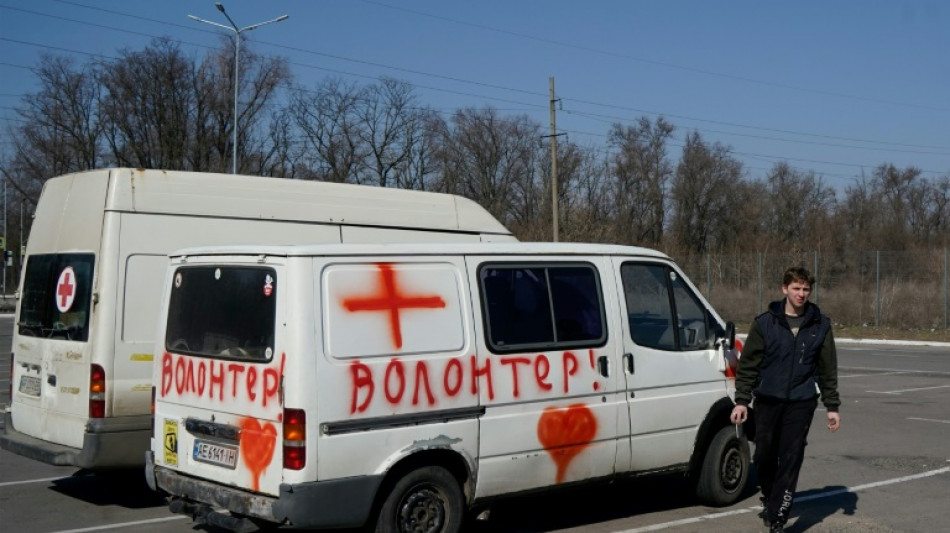
Volunteers risk lives to deliver supplies to besieged Mariupol / Photo: ©

 Afghanistan opium poppy cultivation surges despite Taliban govt ban: UN
 No World Series miracle for weary Rays
 Miami Heat earn first win of NBA season with Antetokounmpo

 Brewers beat Rays 4-1 to capture first World Series title

 Philippine island fights rising seas with nature, not concrete

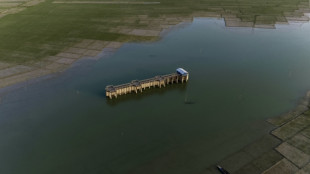
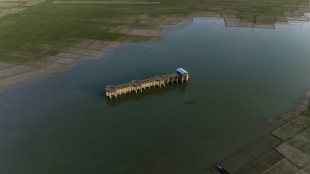 Bangladesh presses India before Ganges water treaty expires

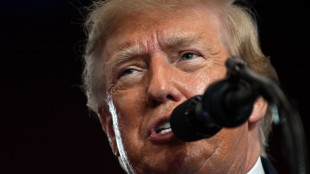 Trump accuses Alaska Democrats of fraud over same-name scandal
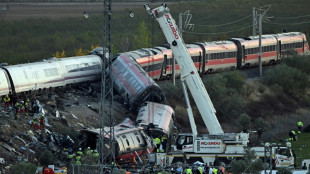 Spain mourns after latest train tragedy kills 68

 Trump's border: quiet, but few people are happy
 Australian defence chief says China military buildup creating 'pressure' in SE Asia
 No penalty practice? No problem for Man City in shoot-out win

 Microsoft beats expectations fueled by Azure cloud business

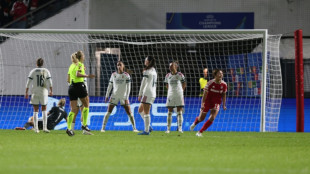 Chelsea win as Bayern draw with Madrid in Women's Champions League

 Kane watches as Bayern cruise into German Cup last 16

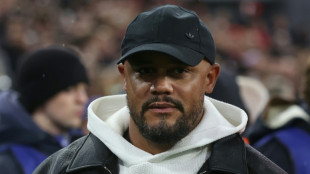 Bayern boss Kompany out of hospital after meningeal irritation
 Shares in Google owner Alphabet sink on profit miss, ad slowdown
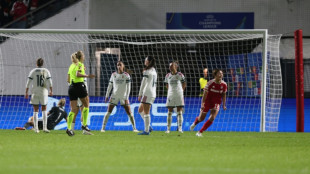 Chelsea win as Bayern and Madrid draw in Women's Champions League
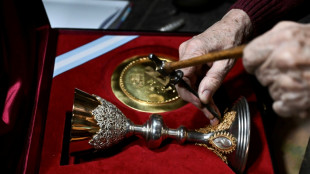 Made with munitions from the Falklands War, a 'Chalice of Peace' for the pope

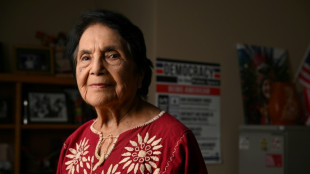 Pioneering US labor leader Dolores Huerta dies at 96

 Italian PM slams 'shameful' release of alleged protest organiser
 Hollywood producer Kennedy to head LA28 Olympic ceremony plans

 Djokovic wins Basel opener to boost ATP Finals bid
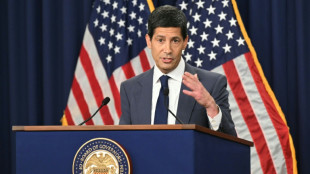
 US Fed holds interest rates steady despite surging inflation

 Chiefs sign ex-Ravens kicker suspended over sex allegations

 Inglis and Carey put Australia in command of South Africa decider
As thousands tried to flee Ukraine’s besieged city of Mariupol, a small group of former residents on Tuesday packed cabbages, cooking oil, pasta, and other supplies into minivans to make the perilous journey back.
Risking their lives, the volunteers headed back to a city tormented by hunger, horror, and death to deliver much-needed supplies and evacuate people to Zaporizhzhya – a hub for people fleeing Ukraine’s heavily bombarded east to the country’s west.
"We buried our neighbours, we saw death everywhere and even my children saw it," said Mariia Tsymmerman, who escaped Mariupol with her family two weeks ago and now heads the column of eight to 10 vehicles marked with the word "volunteer" in red paint.
"I know a woman who killed her own dog to feed her children," she said.
Unarmed and with no protective clothing, the volunteers face bombs, mines, and shelling, as well as Russian checkpoints where troops are known to sometimes open fire. The trip through Russian-occupied territory and back usually takes three days.
Some of the volunteers are looking for missing family members after Mariupol lost almost all communications in early March, while others feel it their duty to help.
Yet they are taking a huge risk: two days ago volunteers heard that one of their minivans had been hit by gunfire.
They don’t yet know what happened or if the people inside are safe.
One of the group’s drivers, Yuri, is deaf in one ear after Russian troops made him strip naked, put a gun to his shoulder, and shot it into the air. He still plans to return to help people.
Tsymmerman, 38, escaped Mariupol with her husband and three children on March 16 and, since then, she has travelled back five times to help, with her husband driving one of the vans.
As Russian bombs fell on the Mariupol, her family spent weeks moving from bomb shelter to bomb shelter before they fled.
Her son was so terrified by one airstrike, that he has been wetting himself ever since.
"There are attacks from the air and people are fighting in the streets," Tsymmerman told AFP. "That is the scariest thing because they have found a target, and they don’t care if it’s a woman or a child, they still shoot."
On one trip back, she saw the badly burned body of a child lying in the street being eaten by a dog.
The desperation of those who remain to get out is so great that people jump on car bonnets and wheels when the convoy arrives.
Tsymmerman said they try to prioritise children and their parents, and that besides fleeing bombs, people are also scared Russian forces will make them to Russia.
Mariupol’s city council said Tuesday that some 20,000 residents have been forcibly evacuated to Russia and put in so-called filtration camps for further evacuation to remote Russian cities.
Tsymmerman’s father is still in Mariupol, unreachable currently by evacuation efforts because the fighting is too heavy there, while her brother and his family were taken to separatist territory.
"They cry, ask for help and ask to be freed," she said, adding that she is working on how to get there to evacuate them.
Anna Yehurtova, 25, a doctor from Mariupol who now lives in Kyiv, tried to travel back to her home city to help people but when she realised it was too dangerous she opted instead to volunteer in Zaporizhzhya. She helps to coordinate the cars going to Mariupol.
"These people risk their lives and are scared to death of Russian checkpoints – they say they will die there or won’t be able to return again," she said.
"Some drivers have been given subpoenas to join the Russian army as they pass through."
Yehurtova said her brother was also forced to go to separatist-held territory, where he was given a subpoena to fight for the Russian military.
"He told them ‘I’m Ukrainian, I am not going to fight against Ukraine,’" she said.
Yehurtova’s parents live in a village near Mariupol, close to what was the frontline with Russian-backed separatists but is now controlled by Russia.
They told her there is no electricity apart from at the school hall, where the Russians have set up a generator and are showing only Russian state news on television.
"A week after they arrived, they gave them aid and a pension of 7,000 rubles ($80) to convince them it’s nice in Russia."
Nikolai, who did not want to give his full name, was away on a business trip when the war began. Now he was heading back to Mariupol with the convoy and planned to stay there.
"It’s my home. There is nothing else to say," he said.
J.Fankhauser--BTB