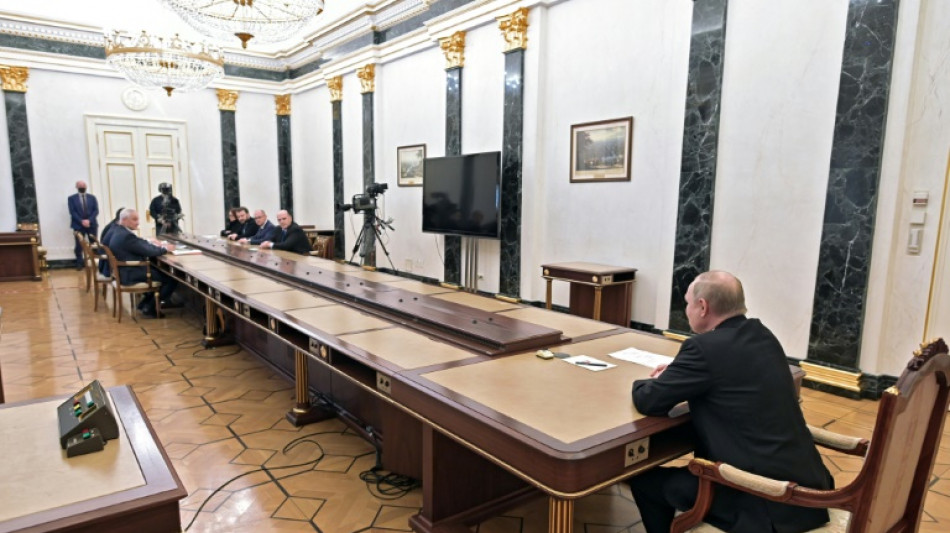
Russia battles to shore up sanction-hit economy / Photo: ©

 New Zealand Football withdraws support for Infantino, urges review
 Hopes fade in Colombia as window to find quake survivors shuts
 Trump announces tariffs of up to 100% on imported drones

 Spieth among five sharing Memphis lead as PGA playoffs open
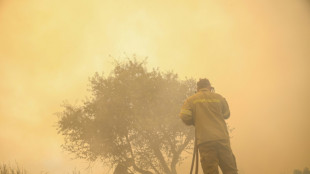 Boats rescue tourists as forest fire flames threaten Greek beaches

 Good vibes powering Djokovic return to Cincinnati
 Britain's Hunt wins 200m for European sprint double
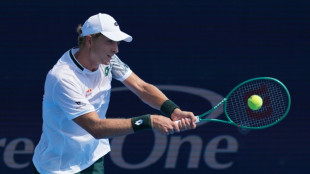 Draper dumped as Norrie saves face for Britain in Cincinnati

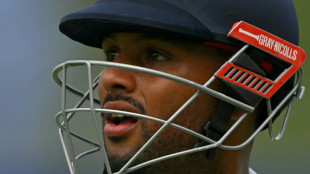 England opener Gay out for duck in Pakistan warm-up
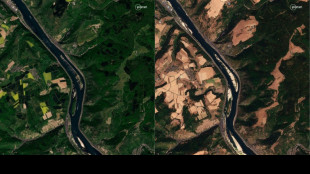 Europe swelters under fresh wave of extreme heat
 French Olympic gold medallist Florent Manaudou announces retirement
 Tourists rescued by boat as forest fire threatens Greek beaches
 Indicted Raul Castro reappears after months out of public view
 Italian teen Curtis breaks women's 50m backstroke world record for second time

 Taulagi steps out of 'comfort zone' with code switch to French Top 14 new boys
 Leicester's Thai owners put troubled club up for sale: reports
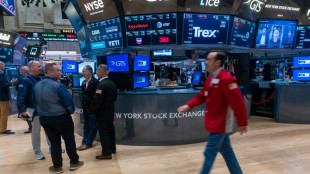
 Stocks steady as US inflation worries ease, oil slips

 Porsche to end production of flagship electric car: report

 Twitch sparks gamers' wrath with Amazon AI sharing deal

 Blaze forces families to abandon Turkish tour boat
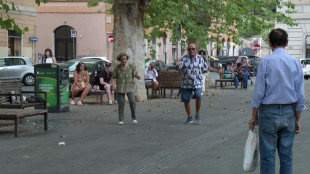 'If you can, move!' say Rome's viral dancing seniors

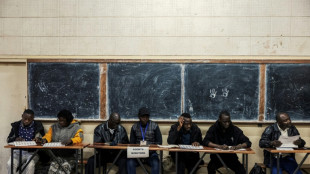 Zambia voters weigh Hichilema's economic record
 SBCFX to Showcase Trading Innovation, Regional Growth Strategy, and Future Vision at iFX EXPO Asia 2026

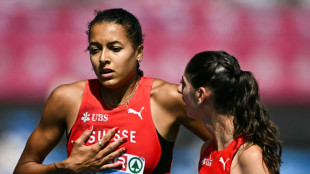 Hodgkinson sets up Werro showdown after Euro 800m drama
 'How many will die?': the mysterious ailment killing Kenyan elephants
Russian authorities are scrambling to stem panic as massive sanctions over Moscow's invasion of Ukraine delivered the worst economic shocks since the fall of the Soviet Union.
Asked by reporters on Wednesday whether the economy would survive, Kremlin spokesman Dmitry Peskov conceded the current situation was "hostile".
Russia's economy is "experiencing serious blows" aimed at undermining its integrity, he said, while vowing: "We will keep standing".
Russians encountered a bleak new economic reality after Western powers agreed to impose far-reaching sanctions.
The ruble has fallen by more than a third against the dollar and euro, Russian planes are barred from all but a handful of countries and ordinary people face serious doubts over the future of their careers, salaries and loan repayments.
- 'Don't panic' -
Valentina Matviyenko, the speaker of the upper house of parliament, called for everyone "to switch on their brains and analyse everything that prevents businesses from working", warning against "any panic".
President Vladimir Putin signed a decree on developing the IT sector, allowing male programmers to avoid the draft.
Prime Minister Mikhail Mishustin reiterated longstanding policy goals to replace imports with local products and diversify the economy.
But these statements appeared to offer little protection from looming economic meltdown.
The Moscow Stock Exchange remained closed for a third day on Wednesday after the Bank of Russia said it had decided that trading would not be resumed except for the purchase of rubles.
The ruble has slumped following the West's decision to slap massive economic sanctions on Russia over the invasion of its pro-Western neighbour Ukraine last week.
It was changing hands at around 103 rubles to the dollar on Wednesday at 14H30 GMT and 112 rubles to the euro.
Russia has announced bans on foreign investors selling Russian shares or withdrawing funds from its financial markets.
Putin has also banned travellers from taking more than $10,000 in cash out of the country.
The Russian finance ministry has said it is in favour of abolishing sales or value-added tax on purchases of gold bars by private individuals.
Mishustin said buying gold "could be a good alternative to buying foreign currency".
In the face of Western sanctions, Russia's biggest lender, Sberbank, announced it was quitting the European market.
This came after European banking regulators ruled that Sberbank's Austria-based Europe arm and its subsidiaries were "failing or likely to fail" and would be wound up.
The bank's shares later plunged 94 percent to just 1 US cent on the London Stock Exchange, while earlier on Wednesday it had announced 2021 profits of 1.246 trillion rubles (around $12 billion at the current very low exchange rate).
Russian companies and oligarchs targeted by sanctions have said they are cutting back operations and foreign companies are rushing to exit, including oil and gas majors such as Shell and BP, which have invested billions in the country.
- 'Now is the time' -
Hundreds of thousands of jobs -- perhaps more -- could be lost as foreign companies ask how they will pay employees given the new restrictions on Russian banks' dealings with the outside world.
"One immediate effect of the war in Ukraine will be to push Russia several places down the league table of the world's largest economies," said Neil Sharing, Group Chief Economist at Capital Economics.
"However, the impact on the global economy over the long run will depend to a large extent on its political and geo-political legacy," he added in an analyst note.
While Russians pride themselves on their ability to weather crises, the last two decades have brought them benefits from closer integration with the global economy.
Middle-class Russians have been able to holiday abroad, eat out at restaurants and shop at malls. Putin's popularity is based at least partly on the greater economic stability since he became president in 2000.
Since 2014 when Russia faced sanctions over its annexation of Crimea from Ukraine, the state has built up substantial reserves to withstand such tactics.
But ordinary Russians have since seen their spending power eroded while many have taken out loans and, according to a Levada survey last year, two-thirds have no savings.
Financial advisor Sergei Leonidov advised Russians: "If you have loans or other obligations to banks, now is the time to quickly pay them off."
"Because of the crisis, the risk of losing sources of income is rising," he told RIA Novosti state news agency.
J.Bergmann--BTB