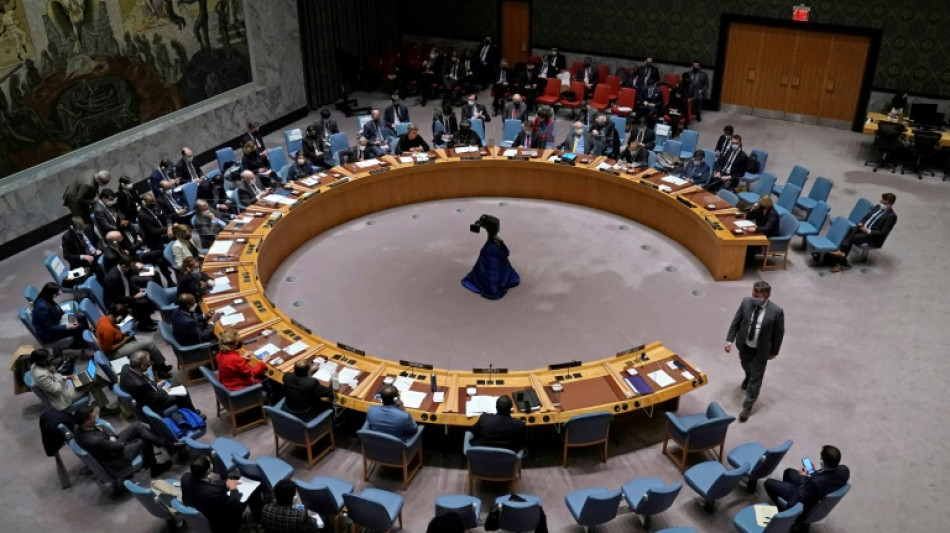
Russian invasion of Ukraine upends international relations / Photo: ©

 New Zealand Football withdraws support for Infantino, urges review
 Hopes fade in Colombia as window to find quake survivors shuts
 Trump announces tariffs of up to 100% on imported drones
 Spieth among five sharing Memphis lead as PGA playoffs open
 Boats rescue tourists as forest fire flames threaten Greek beaches
 Good vibes powering Djokovic return to Cincinnati
 Britain's Hunt wins 200m for European sprint double
 Draper dumped as Norrie saves face for Britain in Cincinnati

 England opener Gay out for duck in Pakistan warm-up
 Europe swelters under fresh wave of extreme heat
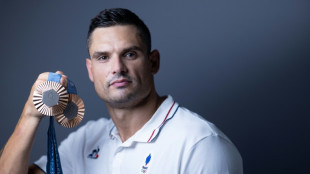 French Olympic gold medallist Florent Manaudou announces retirement
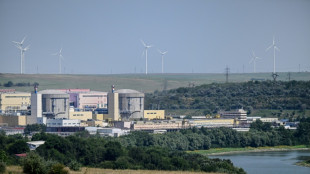
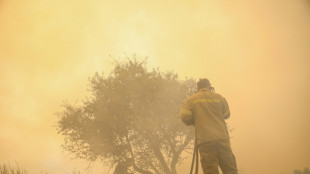 Tourists rescued by boat as forest fire threatens Greek beaches
 Indicted Raul Castro reappears after months out of public view
 Italian teen Curtis breaks women's 50m backstroke world record for second time
 Taulagi steps out of 'comfort zone' with code switch to French Top 14 new boys
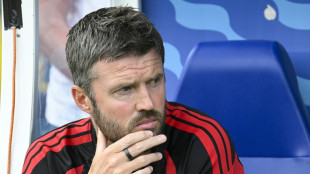
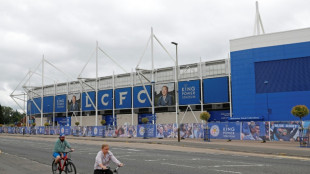 Leicester's Thai owners put troubled club up for sale: reports
 Stocks steady as US inflation worries ease, oil slips
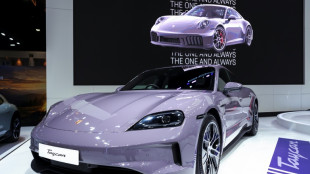 Porsche to end production of flagship electric car: report
 Twitch sparks gamers' wrath with Amazon AI sharing deal
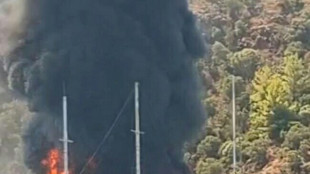 Blaze forces families to abandon Turkish tour boat

 'If you can, move!' say Rome's viral dancing seniors
 Zambia voters weigh Hichilema's economic record
 SBCFX to Showcase Trading Innovation, Regional Growth Strategy, and Future Vision at iFX EXPO Asia 2026

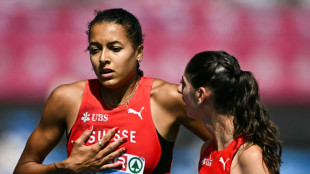 Hodgkinson sets up Werro showdown after Euro 800m drama
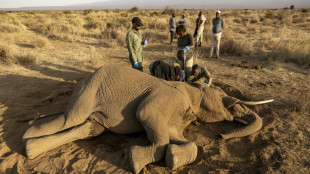 'How many will die?': the mysterious ailment killing Kenyan elephants

Russia's war against Ukraine is a week old, but its consequences are already reverberating across the globe: it has upended international relations, left Moscow isolated, united a previously divided West, and raised the specter of a nuclear standoff.
- Russia, a 'pariah' state -
Moscow's offensive marks a turning point for the whole world.
Above all, Russia's attack shattered "the hope that post-Cold War Europe would be spared a large-scale land war," said Ali Wyne, Senior Analyst with Eurasia Group.
Europe, the United States and United Nations Secretary-General Antonio Guterres came together to denounce Russia's attack on its neighbor as a flagrant violation of the international rules-based order built after World War II.
Punishment was quick and painful.
From crippling Russia's financial system, to slapping penalties on its oligarchs and President Vladimir Putin himself, to banning Russia from European airspace and major sports competitions, the West has unleashed an unprecedented cascade of sanctions on Moscow.
"Going forward, Russia will be a pariah, and it's hard to see how they can restore anything resembling normal interactions in the international system," said Sarah Kreps, professor at Cornell University.
- NATO awakens -
In 2019, French President Emmanuel Macron declared that NATO was experiencing "brain death," riven by disagreements between members and belittled by Donald Trump.
When Joe Biden was elected, he sought to breathe new life into the alliance, hoping to rely on NATO in his standoff with China. That prompted more internal divisions, with some members saying that confronting Beijing was not part of NATO's mission.
Born at the start of the Cold War with the aim of protecting Europe from the Soviet threat under the US nuclear umbrella, the transatlantic military alliance is now rediscovering its purpose -- and its key enemy -- by stepping up against Moscow.
"Russia's invasion has strengthened NATO, deepened transatlantic alignment, and, perhaps most notably, compelled Germany to reverse its longstanding stance on shipping lethal weapons to conflict zones," said Wyne. "Whether greater short-term Western cohesion yields a shared long-term approach to dealing with Moscow remains an open question."
- Europe re-arming -
French diplomat and economist Jean Monnet, who played a significant role in rebuilding Europe after World War II, famously said that Europe will be born out of crises as well as out of its solutions to those crises.
His words ring true today.
Heeding a longstanding call by Paris to beef up Europe's military might, the European Union's 27 members approved a total of half a billion euros in defense aid to Ukraine.
In a dramatic move, Berlin broke with its long-standing doctrine when it announced that it would send lethal aid to Ukraine.
And German Chancellor Olaf Scholz declared that his country, often criticized by the US as an understudy in NATO for its small defense budget, would significantly boost military spending to modernize its army.
- Neutrality picking sides -
"Neutrality is not indifference."
This is what Swiss President Ignazio Cassis said when he announced that his country would back all of the EU sanctions against Russia, in a major break with its longstanding tradition of neutrality and its reputation as an international banking center.
And Finland and Sweden, traditionally non-aligned with NATO, are moving closer in its direction.
Japan, South Korea and Singapore condemned Russia's invasion, although India and the United Arab Emirates have not.
- China's 'awkward position' -
But Russia has its own allies.
Moscow has the support of Venezuela's Nicolas Maduro. And Chinese President Xi Jinping offered Putin his support shortly before Russia invaded Ukraine.
It remains to be seen to what extent China will help Russia offset the effect of Western sanctions.
And China remains cautious. It chose to abstain, rather than veto a UN Security Council resolution "deploring" Russian aggression in Ukraine while expressing "deep regret" to Kyiv over the war.
"Russia's invasion has placed China in an awkward position," said Wyne, the Eurasia Group analyst.
"The more protracted and bloody the conflict becomes, the more challenging it will grow for China to balance its support for core Russian positions (such as opposing NATO expansion) and its desire to avoid incurring further transatlantic opprobrium."
- Nuclear weapons no longer taboo -
Last week Putin put his strategic nuclear forces on alert, causing ripples across the globe.
"Russian leaders have now repeatedly made not-so-veiled references to their nuclear arsenal in the hopes of deterring the West from bolstering Ukrainian defenses," said Kreps from Cornell University.
"The problem is that its approach to doing so has eroded the nuclear taboo that's been in place for decades."
M.Odermatt--BTB