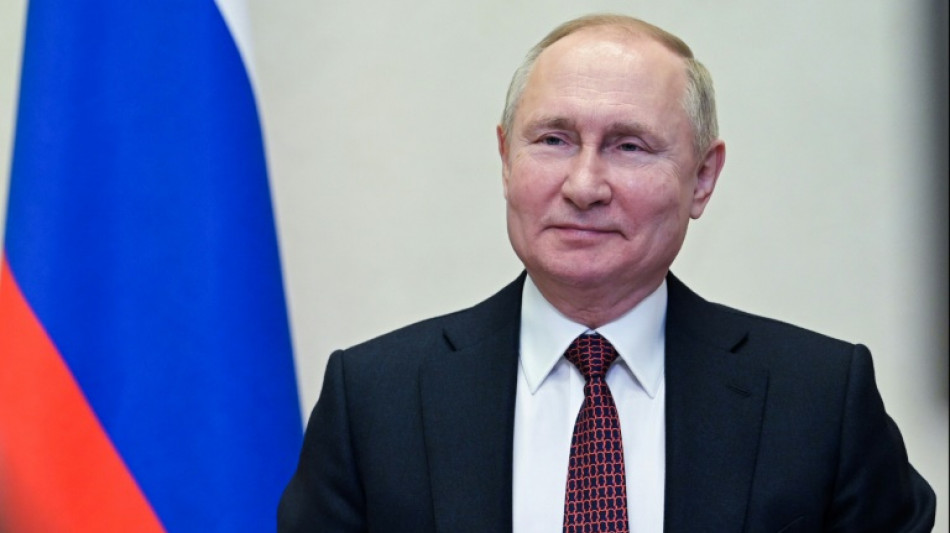
Vladimir Putin's long obsession with Ukraine / Photo: ©

 Xhaka, Embolo can return to Swiss squad after fake Covid docs affair
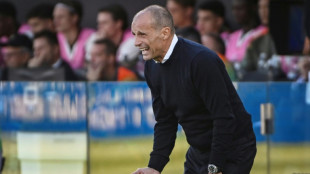 Allegri suspended for two Serie A games after red card
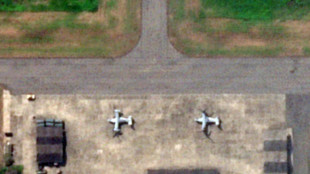 Flight data, satellite images reveal growing US role at Ecuador base
 McInnes feels 'guilt' ahead of Hearts return with Rangers
 Brazil's Lula turns 81, vows to work '24 hours a day'
 Boeing releases cautious growth plan as shares fall sharply
 Exiled Russian dissident Navalnaya warns dictators becoming 'more cunning'
 Bayern 'risk' reaps huge reward for Ballon d'Or winner Kane
 Record turnout as Israeli voters deliver verdict on Netanyahu
 Iraola says Isak 'feels the trust' after Liverpool scoring streak

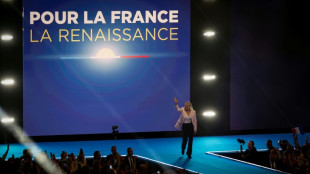 French media protest manhandling of journalists at far-right party rally
 EU seeks deportation powers for beefed up border agency
 Two charged with UK security offences over airbase plot: police
 Maresca defends Donnarumma, Guehi after Man City defeat
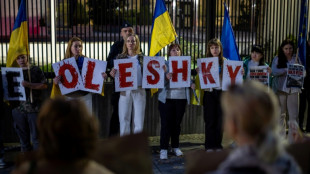 Nordic leaders call Putin as local truce begins in Ukraine
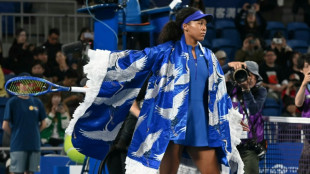 Osaka unveils crane outfit in Tokyo before win over Paolini

 Ronaldo in line for Portugal return after fallout with coach
 Norway media take legal action to block Meta from using content
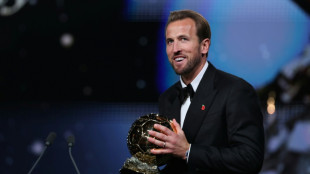
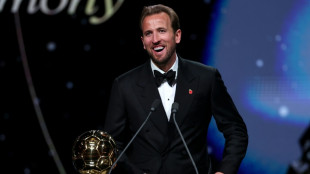 Bayern praise 'humble' Kane after Ballon d'Or win
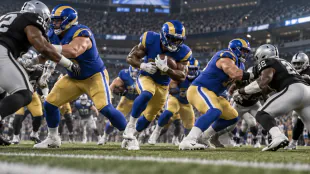
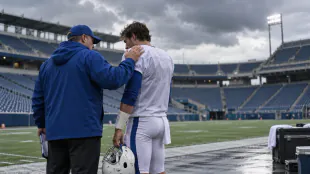 Colts retain Daniel Jones as starter despite continued offensive struggles
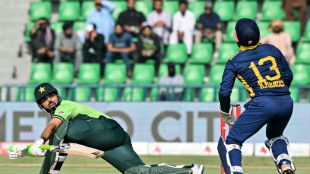 Madushanka wrecks Pakistan as Sri Lanka press for final slot
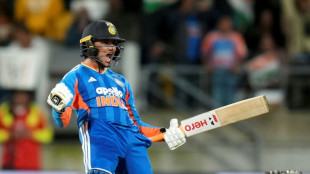 Destructive Abhishek 113 leads India to series win over New Zealand
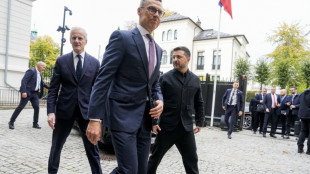 Norway, Finland leaders hold 'frank and substantive' talk with Putin
 Wall Street faces earnings and Fed tests after turbulent technology-led week
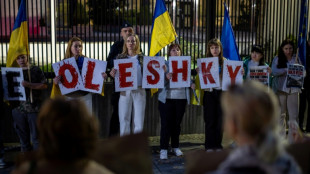 Ukraine, Russia say US-brokered truce holding in ravaged city
Russian President Vladimir Putin, who launched an invasion of Ukraine on Thursday, has long been obsessed with returning the country to Moscow's fold, in the name of Russia's greatness.
For many Russians of his generation, who were raised on Soviet propaganda, the USSR disintegrating and its spheres of influences vanishing remains an open wound.
For Putin, a KGB officer based in East Germany at the time the Soviet Union was gradually collapsing -- between 1989 and 1991 -- this was a personal defeat.
The Russian leader has said many times that he suffered the same misery as his compatriots when the Soviet empire crumbled, recently claiming he was forced to drive a taxi to make ends meet when he returned to his homeland.
For many Russians, the years after the Soviet collapse were marked by humiliation and poverty -- a stark contrast to the West's triumphalism and prosperity at the time.
Putin has claimed that the end of the Soviet Union was the "greatest geopolitical catastrophe of the 20th century" -- despite Russia living through two world wars.
Putin's rhetoric became more extreme in recent weeks, as between 150,000 and 200,000 Russian troops massed along the borders of Ukraine, prompting a broad diplomatic effort aimed at preventing an invasion.
In a speech on February 21, Putin baselessly accused Ukraine of seeking a nuclear weapon and called its government a "neo-Nazi" regime that bore responsibility for any further bloodshed.
- 'Crossed over to the dark side' -
He recognised the independence of two separatist regions and authorised sending "peacekeepers" into the rebel provinces.
Tatiana Stanovaya, who runs the R.Politik analytical centre, predicted grim times ahead, saying that Putin had "crossed over to the dark side of history."
On Thursday, Putin declared "I have made the decision of a military operation" in Ukraine, during a television address, and explosions were soon heard across the country, triggering swift international condemnation.
He justified the operation by accusing the Kyiv government of overseeing a "genocide" in the east of the country.
Observers say Putin's sense for revenge over Ukraine deepened when NATO and the EU expanded into countries once dominated by Moscow.
For the long-time Russian leader, any attempts towards bringing Ukraine into Western alliances have represented a red line.
Putin has made it his historical mission to stop this advance in what he believes should be Russia's region of influence.
In his vision, "if the authorities do not solve this security problem now, then Ukraine will be in NATO in 10-15 years", according to analyst Alexei Makarkin.
When a pro-Western revolution took place in Kyiv in 2014, Moscow annexed Ukraine's Crimean peninsula and pro-Russian separatists took up arms in the east of the country, in a conflict that cost more than 14,000 lives.
- Some 'only understand force' -
For the Kremlin chief, Russia must respond by being strong, menacing even. Giving in is not in the nature of the former KGB agent and judoka.
Born into a working-class Saint Petersburg family, Putin said in 2015 that "if a fight is inevitable, you must strike first."
One of his teachers, Vera Gurevich, has said that when a 14-year-old Putin broke one of his classmate's leg, the future president said that some "only understand force."
He has repeatedly called into question the idea of distinct Ukrainian identity and statehood.
Putin claims that two Ukrainian revolutions -- in 2005 and 2014 -- that drove out pro-Russia elites were the result of a Western plot.
As far back as 2008, according to Russian and US media, Putin told his then US counterpart George W. Bush that "Ukraine is not even a country."
During his end-of-year press conference in December, Putin again raised eyebrows by saying Ukraine was "created" by Vladimir Lenin, the founder of the Soviet Union.
Months earlier, in a long article called "On the historical unity of Russians and Ukrainians," he said that Kyiv's decisions are driven by a Western "anti-Russia" plot.
Analyst Stanovaya said that Putin has always believed that the Ukrainian people are themselves pro-Russians that have been "the subject of manipulation".
She said that in the Kremlin's "understanding, war would not be an attack on Ukraine, but a liberation of the Ukrainian people from a foreign occupier."
The Kremlin has for years repeated its line that the West has taken advantage of Russia's post-Soviet weakness to camp close by, betraying vague promises made in the twilight of the USSR.
What drives Putin, said Makarkin, "is the desire to stop time."
J.Bergmann--BTB