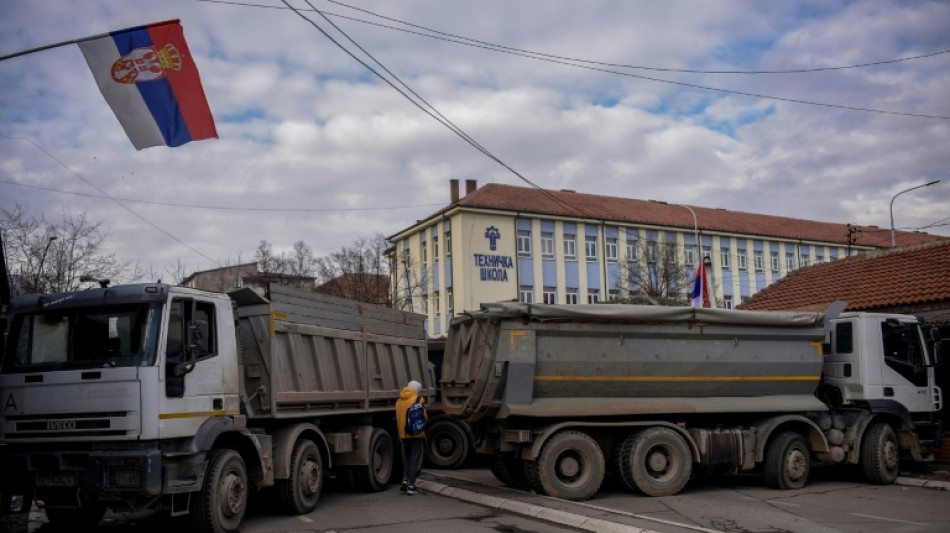
Kosovo's main border crossing with Serbia open as tensions ease / Photo: © AFP

 'Like the end of the world': the eclipse chasers flocking to Spain
 Taiwan begins military drills as China pressure grows
 UK mansion where 'listeners' spied on Nazi generals becomes museum
 Sabalenka tops Uchijima in WTA Toronto opener
 Kgatlana strikes as South Africa reach WAFCON quarter-finals

 Pakistan close on series-levelling win against West Indies
 Paramount CEO says politics fueling Warner Bros. merger battle

 Trump's sale of access to Truth Social raises eyebrows
 SpaceX rocket stage expected to slam into Moon
 US hopeful Hormuz strait deal will be done 'today or tomorrow'
 Michigan primary puts Democratic divide on the ballot

 South Africa captain Kolisi to make Test return in Argentina

 Cuba's famed resilience comes at a growing mental cost

 Swiss Reusser wins Tour de France Femmes time-trial
 Hundreds flee homes after Guatemala's Fuego volcano erupts
 Thousands pay tribute to Italian football legend Baresi
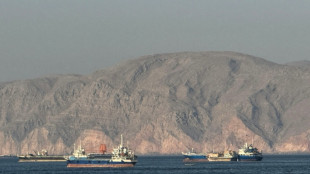 Oil drops, stocks hit records on hopes of Hormuz opening
 Renard returns as Ivory Coast coach
 Italian garbagemen help recover lost 1 mln euro lottery ticket
 EU nations patch things up after Ceuta migration discord
 US hopeful Hormuz strait deal will be done 'today or tomorrow' after ship hit

 Infantino's problems mount as Wenger and key FIFA ally turn on him
 Oil edges higher, stocks gain as investors eye political risks
 Man Utd sign reported record £20mn sponsorship deal for training kit
 Stokes reveals England coaching ambition
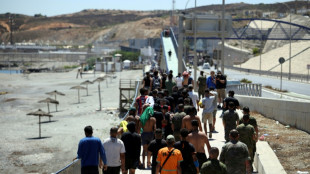
Kosovo's primary border crossing with Serbia was back open Thursday, dialling down growing tensions that had drawn international calls for de-escalation.
Barricades were dismantled on the Serbian side of the Merdare border point and Kosovo announced the crossing was open a day after Washington and Brussels urged both to ease a simmering crisis.
The latest trouble erupted on December 10, when ethnic Serbs put up barricades to protest the arrest of an ex-policeman suspected of being involved in attacks against ethnic Albanian police officers -- effectively sealing off traffic on two border crossings.
Serbian President Aleksandar Vucic announced removal of the barricades late Wednesday during his meeting with Kosovo Serb representatives near the border.
Kosovo police on Thursday said in a statement that the "Merdare border crossing point has been opened for traffic and has returned to full normality".
Kosovo declared independence from Serbia in 2008, after a bitter war in late 1990s.
But Belgrade still refuses to recognise it and encourages Kosovo's 120,000 ethnic Serbs to defy Pristina's authority -- especially in the north where they make up the majority.
- 'Controlled conflict' -
After the roadblocks were erected, Kosovar police and international peacekeepers were attacked in several shooting incidents, while the Serbian armed forces were put on heightened alert this week.
The European Union and the United States voiced concern over the situation, urged immediate de-escalation and said they are working with both Serbia and Kosovo leaders to seek a political solution to the crisis.
Political analyst Aleksandar Popov said tensions in Kosovo are so high that it would "only take one stray bullet" to significantly aggravate the situation.
However, he labelled the recent unrest a "controlled conflict" and an arm-wrestling contest between Belgrade and Pristina over the influence in the north, where authorities for years have been seeking a special status within Kosovo.
"Pristina gave Serbs the reason to protest by making arrests, the barricades were orchestrated by Belgrade and international peacekeepers mediated to prevent escalation.
"The minute it looked like it was getting out of hand, the West used diplomatic means to stop the whole thing," Popov told AFP.
- 'Feel cheated, abused' -
Around a dozen protesters who were still at a barricade site in Rudare, near Mitrovica, voiced dissatisfaction with the decision to remove the roadblocks.
"It makes no sense, we fought for rights that were not fulfilled, we feel cheated, abused," a 25-year-old man, who refused to give his name, told AFP.
"Why did we come to the barricades, if everything ended this way?" asked a 38-year-old protester, who also spoke on condition of anonymity.
In a move that initiated a calming of the situation, a Pristina court ordered Wednesday that the former police officer, whose detention Serbs cited as the main reason for erecting the barricades, be released from prison and placed under house arrest.
Northern Kosovo has been on edge since November when hundreds of ethnic Serb workers in the Kosovo police as well as the judicial branch, including judges and prosecutors, walked off the job.
They were protesting a controversial decision to ban Serbs living in Kosovo from using Belgrade-issued vehicle licence plates -- a policy that was eventually scrapped by Pristina.
The mass walkouts created a security vacuum in Kosovo, which Pristina tried to fill by deploying ethnic Albanian police officers in the region.
On Wednesday, Belgrade's ally Russia voiced support for Serbia and said it was "very closely" following the developments
Kosovo's 1.8 million population is predominantly ethnic Albanian.
K.Thomson--BTB