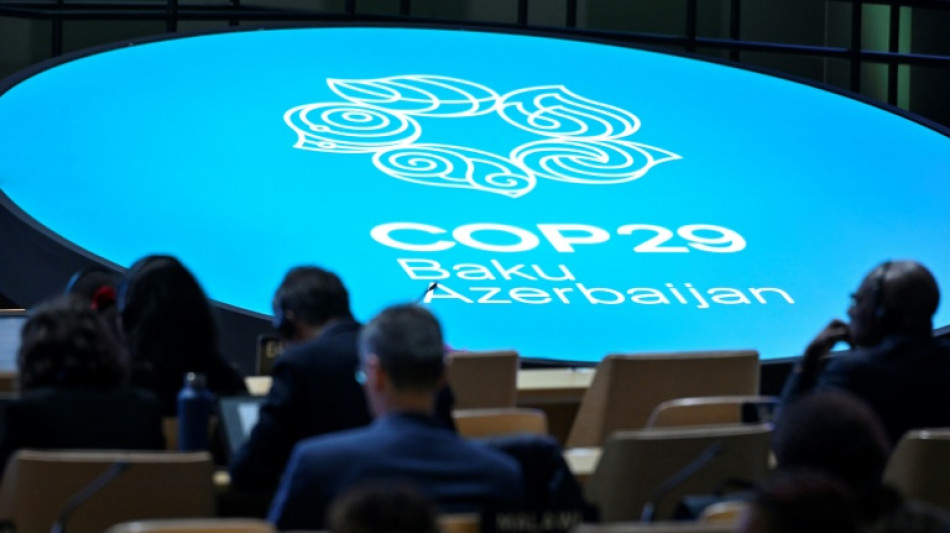
Europe's pivotal role in bid to strike COP29 climate deal / Photo: © AFP

 Attissogbe double inspires Pau to Top 14 summit
 Guimaraes strike lights up Arsenal win over Sunderland

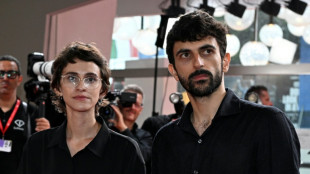
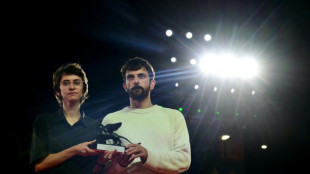 Israeli-made Gaza documentary wins Venice special jury prize

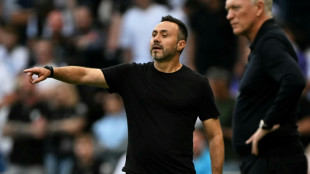 De Zerbi apologises to fans after Spurs' stalemate extends goal drought

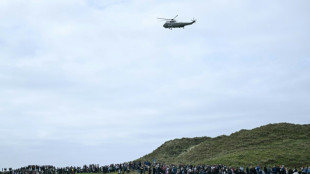 Lowry takes four-shot lead as Trump jets in for Irish Open
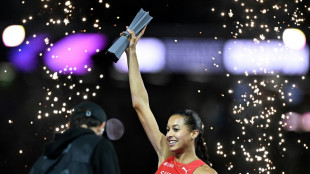
 Harrison, Skupski win US Open men's doubles title
 Verstappen fears overtaking will be 'tough' at Spanish GP
 Argentina revives plan for South Atlantic naval base amid Falklands tensions

 Yemen government forces say hit Houthis in Red Sea city

 Dismal Spurs stay goalless after Everton stalemate
 Fire at nursing home in Chile kills 16

 Frustrated Hamilton urges Ferrari to 'work harder'

 Zelensky ready to meet Putin at Miami G20 but Kremlin refuses
 Anthropic boss calls for AI slowdown, Altman and Musk agree

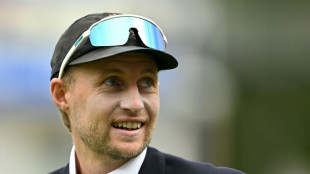 England back on track after 'chaos', says Root
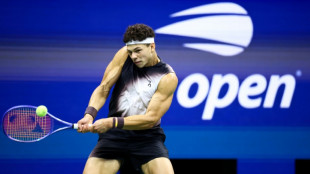 Shelton chases history in US Open title tilt with top seed Zverev

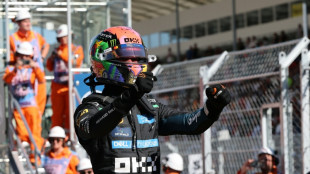 Norris 'masterpiece' snatches Spanish GP pole from Antonelli

 Mas on brink of Vuelta triumph as Landa claims stage 20
 No Kerr clash as Ingebrigtsen pulls out of Ultimate 1,500m
 Anthropic boss calls for slowing pace of AI development
 BRICS nations call for 'maximum restraint' in Middle East war
 England v Pakistan Test series: Three talking points
 Marquez snatches San Marino MotoGP sprint ahead of Bezzecchi
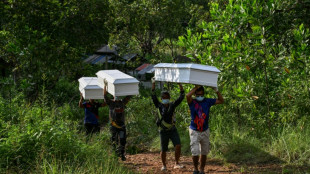 Philippine ferry fire death toll climbs to 76 as identification process begins
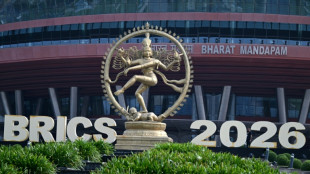 BRICS nations urge 'maximum restraint' in Middle East war
The European Union is key to a deal being done at UN climate talks in Baku by Friday -- viewed as a bridge both with China and poorer nations -- after climate sceptic Donald Trump's triumph in the US elections.
The bloc's envoys have been quietly negotiating with China at COP29 in Azerbaijan and consolidating "high-ambition" alliances with countries from the global south like Kenya and the Pacific island nation of Palau.
The EU's 27 nations are already the biggest contributors to world climate finance funds to help developing countries cope, with 28.6 billion euros in contributions from public sources and 7.2 billion from private finance last year, according to the European Commission.
That is around a third of the sums set aside by wealthy nations to help developing countries fight and adapt to climate change.
The EU, which has pledged carbon neutrality by 2050, boasts a gross domestic product (GDP) comparable to that of China and an equivalent ratio of historical greenhouse gas emissions -- 12 percent.
"We will continue to lead, to do our fair share, and even more than our fair share, as we've always done," EU climate commissioner Wopke Hoekstra told reporters in Baku on Monday.
"They have to lead, they have no choice," Diego Pacheco, who heads the Bolivian delegation at the talks, told AFP.
But the EU, which is in the grip of austerity, has been wary of disclosing how much it is willing to pay from next year and wants to delay showing its cards for as long as it can.
Nevertheless, the ODI think tank has found that some European countries are already digging deeper than could be expected given their historical emissions, wealth and population.
France, Sweden, Denmark, Germany and the Netherlands are leading the pack -- with the United States trailing far behind in last place.
Still some argue that Europe has nothing to be proud of given that it built its prosperity on coal and oil.
"Stop trying to push the mitigation burden on developing countries, show leadership, pave the way for us," Pacheco told a plenary session in Baku.
- 'We cannot backslide' -
"All eyes are on the EU to provide leadership on this subject... given its role as the main contributor" to climate finance, Ignacio Arroniz Velasco of the think tank E3G told AFP. "It is a key dealmaker."
"We are waiting for the EU to take the first step," said Chiara Martinelli of the Climate Action Network (CAN) Europe, while another observer questioned Europe's apparent reluctance to "play" the driving role expected of it.
The COP29 talks aim to scale up funds to support developing countries build solar plants, irrigation systems and flood-resistant cities.
Negotiators in Baku have said a figure in the $200 billion to $400 billion range in annual funding by Western states would be realistic -- double the $100 billion currently being offered.
"Two hundred (billion) is a lot, but it is possible," a European diplomat said on condition of anonymity.
The Europeans are negotiating key details, including a timeframe for the new target. They also want to broaden the definition of the current financial commitment to include private and other donors.
Most of all, they are pushing for the voluntary contributions made by countries like China to be added up in the final count, urging greater transparency on what they are already paying.
Western countries rejoiced last week at what they saw as a sign of goodwill from Beijing when it publicly mentioned its "investments in climate action in other developing countries" for the first time.
"It is an important step, especially at a COP as challenging as this one," a European diplomat said.
Above all, the Europeans do not want to backtrack on last year's pledge at COP28 in the United Arab Emirates for the world to move away from fossil fuels, with Saudi Arabia still digging in its heels.
"We, as a global community, cannot afford to backslide," Hoekstra said on Tuesday.
J.Marty--VB