-
 Saudi, Egypt demand open Red Sea as Riyadh vows response to Houthi attacks
-
Brazil's Supreme Court clashes over handling of probe involving judge
-
 Capitals say hockey star Ovechkin 'was asked' to film Putin ad
-
Trump threatens to keep Kennedy Center shut if his name not added
-
 Spurs in 'tough moment' after League Cup exit as De Zerbi says sorry
-
i-payout Expands U.S. Money Transmitter Licensing Footprint and Advances European EMI Strategy

-
 Arteta salutes 'unbelievable' Dowman after Arsenal's teen star sinks Ipswich
-
Artists exit Sheeran tour in solidarity with Macklemore pro-Palestinian comments

-
 Empty seats as schools reopen in Venezuela's quake-hit Guaira
-
Espi saves Real Madrid with late winner at Elche

-
 Messi set for Argentina farewell in Benin friendly
-
Liverpool pile on misery for Spurs in League Cup, Dowman dazzles for Arsenal

-
 Ton-up Brook leads from the front as England hammer Sri Lanka in 1st T20
-
Trump blasts Supreme Court justices over 'horrible' mail vote ruling

-
 AI giants pursue self-regulation as safety fears mount
-
Maduro ally pleads guilty to US money laundering charges
-
 Argentina begin life after Messi with Bolivia friendly
-
Finnish president Stubb speaks to AFP about Trump, Russia and saunas
-
 Helen Mirren delves into Patricia Highsmith's mind in 'A Talent for Murder'
-
Trump says Kennedy Center to close after judge bars name change
-
 Sanders, Bannon warn of AI dangers in rare US left-right alignment
-
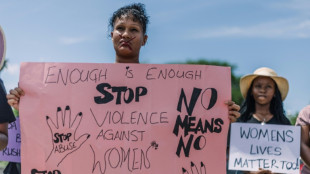
South Africa intensifies hunt after eight women found dead
-
 US Senate crypto bill collapses amid partisan deadlock
-
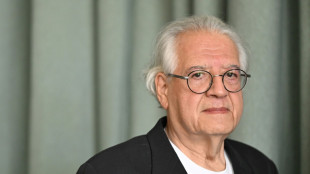
'Battle of Chile' documentary-maker Patricio Guzman dies, aged 85
-
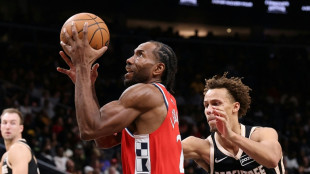 Raptors confirm Leonard return after Clippers salary cap scandal
-
Tuchel wanted to eat grass after England's World Cup win in Mexico

-
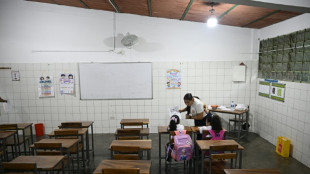 Empty benches as schools reopen in Venezuela's quake-hit Guaira
-
OpenAI, Anthropic and Google are working to create an AI standards body

-
 US judge rules Trump's name must remain off Kennedy Center
-
Lens sack Toppmoeller after six games in charge

-
 Samson fires India to T20 series win over Afghanistan
-
Rob Reiner son will not face death penalty, prosecutor says

-
 Carney sells Canada to global investors but says US ties still key
-
Referees chief Webb 'really disappointed' over VAR error in Manchester derby

-
 Tiny English village holds 'independence' vote over asylum seeker housing
-
Maiden Renshaw ODI century sets up Australia win in Zimbabwe

-
 Trump slams Supreme Court over 'horrible' mail-in ballot ruling
-
EU calls Russia 'reckless' after flares fired at Danish helicopter
-
 Protesting shepherds, farmers clash with Romanian police
-
US Treasury chief says to meet Chinese counterpart at weekend
-
 Saudi, Egypt demand open Red Sea, as Riyadh vows to hit back against Houthis
-
Trump slams 'horrible' Supreme Court mail-in ballot ruling
-
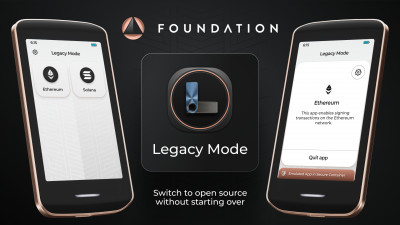 Foundation Lets Ledger Users Switch to Open Source Without Starting Over
-
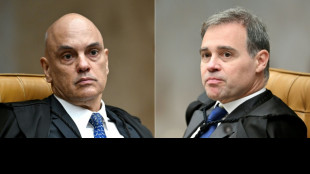
Brazil's crisis-hit Supreme Court probes judge's ties to jailed banker
-
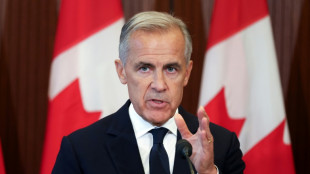 Canada remains 'most important partner' for US in 'key areas': Carney
-
Sterling admits dangerous driving after Lamborghini crash

-
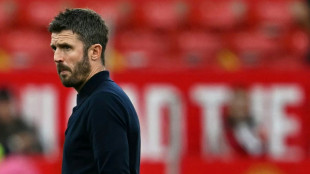 Carrick urges Man Utd to use derby pain as fuel against Brighton
-
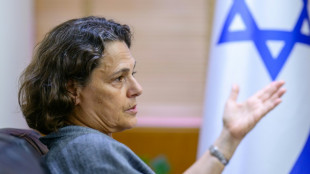
Ambassador to Thailand plays down anti-Israeli protests
-
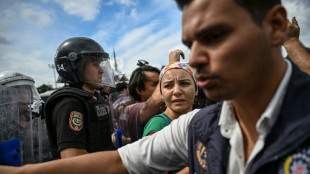 Turkey police detain dozens over pro-LGBTQ Istanbul rally
-
BingX Evolves into a Multi-Asset Trading Platform, Connecting Users to Global Opportunities

Talks on halting nature loss run into extra time in Colombia
Negotiations at the world's biggest nature conservation conference ran hours into overtime in Cali, Colombia on Saturday, with talks deadlocked on funding for efforts to "halt and reverse" species loss.
A closing plenary session, scheduled for Friday evening, started more than four hours late as groups of negotiators huddled behind closed doors seeking to iron out their differences.
The 16th Conference of Parties (COP16) to the UN's Convention on Biological Diversity (CBD) opened on October 21 and was scheduled to close Friday.
Asked by a delegate at around 1:00 am (0600 GMT) on Saturday how much longer the meeting would last, COP16 president Susana Muhamad, Colombia's environment minister, replied: "Until victory."
The conference, the biggest meeting of its kind with around 23,000 registered delegates, is a follow-up to an agreement reached two years ago in Canada.
The Kunming-Montreal Global Biodiversity Framework that emerged from COP15 identified 23 targets to halt humankind's rapacious destruction of nature's bounty.
These included placing 30 percent of land and sea areas under protection and 30 percent of degraded ecosystems under restoration by 2030, reducing pollution, and phasing out agricultural and other subsidies harmful to nature.
It had agreed on $200 billion per year to be made available to protect biodiversity by 2030, including $30 billion per year from rich to poor nations.
- 'Cali Fund' -
COP16 was tasked with assessing and accelerating progress.
But negotiations on funding failed to advance, observers and delegates say, even as new research presented this week showed that more than a quarter of assessed plants and animals are now at risk of extinction.
The Colombian presidency of the summit proposed a raft of last-minute draft texts for negotiators to consider as a way to end the stalemate.
One option was for talks on financing to continue after the summit -- and until the next one in Armenia in 2026 -- to find a "comprehensive financial solution to close the finance biodiversity gap."
Such talks would also assess the viability of creating a new, dedicated biodiversity fund -- a key demand from developing countries that say they are not represented in existing mechanisms, which are also too onerous.
Another point of contention was on how best to share the profits of digitally sequenced genetic data taken from animals and plants with the communities they come from.
Such data, much of it from species found in poor countries, is notably used in medicines and cosmetics that can make their developers billions.
COP15 had approved the creation of a "multilateral mechanism" for sharing the benefits of digitally sequenced genetic information -- abbreviated as DSI.
But negotiators in Cali have yet to agree on such basic questions as who pays, how much, into which fund and to whom the money should go.
In a draft text for negotiators, the COP16 presidency proposed creating a new "Cali Fund" for the equitable sharing of DSI benefits.
Negotiators also remain stuck on the nature of a mechanism for monitoring progress toward the UN goals.
- 'Clock is ticking' -
UN chief Antonio Guterres, who had stopped over in Cali for two days with five heads of state and dozens of ministers to add impetus to the talks, reminded delegates that humanity has already altered three-quarters of Earth's land surface and two-thirds of its waters.
"The clock is ticking. The survival of our planet's biodiversity -- and our own survival -- are on the line," he said.
In the first major breakthrough after nearly two weeks of tough talks, COP16 delegates agreed late Friday to create a permanent body to represent the interests of Indigenous people under the UN's biodiversity convention.
Representatives of Indigenous peoples, many in traditional dress and headgear, broke out in cheers and chants as the agreement was gaveled through.
The meeting was held amid a massive security deployment following threats from a Colombian guerrilla group with its base of operations near Cali.
S.Spengler--VB