Smog-beset Pakistan megacity curbs rickshaws, restaurants / Photo: © AFP

 India seeks threefold increase in coal stocks to prevent summer power shortages
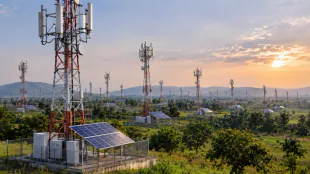 Indus Towers expands solar-powered network to 50,000 telecom sites

 Equitas Small Finance Bank rebounds after naming interim chief executive
 Titan quarterly profit seen rising as jewellery business drives growth
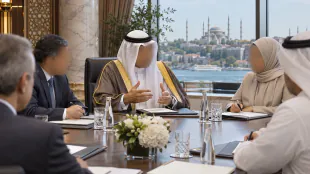 Kuwait finance minister holds economic cooperation talks at COMCEC

 82-Year-Old American Transforms 2003 Mercedes Sprinter into Permanent Home
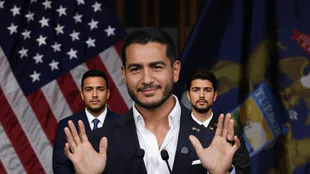
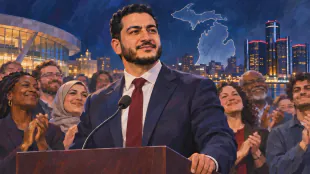
 Abdul El-Sayed declares victory in Michigan Senate contest
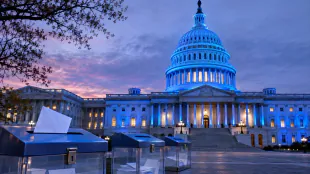 Democrats capture US Congress in sweeping midterm victory

 Manchester United rallies past Roma as PSG dominates in Champions League
 Qatar prime minister advances mediation through diplomatic calls

 Greenland parliament approves security agreement with United States
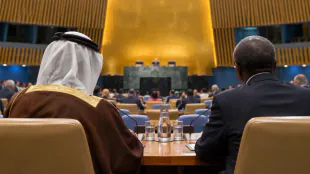 Qatar envoy meets incoming UN General Assembly president
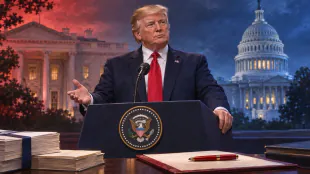 Trump Signals Willingness to Work With Democrats After Midterm Defeat
 Pitches and Keynote Speakers Are Confirmed for Blue Magic Netherlands on November 17
Pollution puffing rickshaws and barbeque restaurants were banned from operating in parts of Pakistan's second-largest city of Lahore on Wednesday, as public health officials battle choking smog.
The eastern megacity near the border with India regularly registers among the world's most polluted cities, and on Wednesday evening recorded nearly 20 times the level deemed safe by the World Health Organization (WHO).
Smog is particularly bad in winter when denser cold air traps the emissions from poor-quality fuel used to power vehicles and factories at ground level in the low-lying city of 14 million.
Seasonal crop burn-off by farmers on the outskirts of Lahore also contributes to toxic air the WHO says can cause strokes, heart disease, lung cancer and respiratory diseases.
The Environmental Protection Agency of eastern Punjab province published a notification saying new curbs would be introduced in four "air pollution hotspots" identified around the city.
Rickshaws running on more polluting two-stroke engines will be blocked from the zones whilst restaurants barbequing without filters to control smoke are subject to a "complete ban".
Government and private offices have also been told to have half their staff work from home starting Monday.
"How will the government save me from smog at my house?" asked 52-year-old sales executive Hafiz Saleem. "It's everywhere, no place is safe. These lockdowns are useless. Much more needs to be done."
Construction work will be stopped whilst street food vendors, who often cook on open fires, will be forced to shut after 8:00 pm.
"Why should I pay the price for the government's failure?" asked roadside restauranter Mohammad Rizwan.
Lahore is struggling with the effects of manmade environmental changes -- with increasing summer heatwaves scientists attribute to climate change and smog disruption now a regular fixture each winter.
Starting on Monday, classroom hours were clipped in the city and schoolchildren banned from outdoor play in a bid to protect them.
Pollution in excess of levels deemed safe by the WHO shortens the life expectancy of Lahore residents by an average of 7.5 years, according to the University of Chicago's Energy Policy Institute.
Children are particularly vulnerable because they have less developed lungs and breathe more rapidly, taking in more air relative to their size than adults.
According to UNICEF, nearly 600 million children in South Asia are exposed to high levels of air pollution.
R.Flueckiger--VB