S. Korea drops vaunted 'test and trace' strategy as Omicron surges / Photo: ©

 Global stocks rally on lower oil prices, US-China hopes

 EU proposes energy rating for data centres
 Schoolgirl Yu scorches to second gold as doping case rocks Games

 Putin's party secures record score in Russia election

 Haupt Koleksiyonu: Paranın Biz İnsanlar Hakkında Anlattıkları

 Spanish PM says unregulated AI could be 'devastating'

 Yu, 13, smashes record again with second Asian Games gold

 Switzerland to play without Xhaka over fake Covid certificate

 From Korean Chipmakers to Leveraged Semiconductor ETFs: STARTRADER Launches 49 New 24/7 Stock and ETF CFDs

 Thai badminton player first doping case at Asian Games: testers

 Колекція Гаупта: Що гроші розповідають про нас, людей
 German far-right AfD poll winner says Merz 'twilight' has begun

 Flights scrapped, evacuations urged as Typhoon Dujuan nears Japan

 China confirms Xi to visit US this week for Trump talks

 مجموعة هاوبت: ما يكشفه المال عنا نحن البشر

 Colecția Haupt: Ce ne dezvăluie banii despre noi, oamenii

 Sisters of jailed Pakistan ex-PM Imran Khan arrested

 African players in Europe: Semenyo brace helps City top table

 'For my family': India boxer beats hardship, injury to go for Games gold
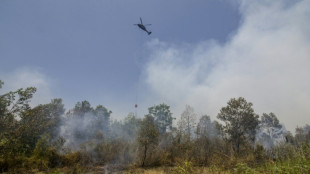 Indonesia doing 'everything' but still struggling to curb fires

 Once decried as 'human cockfighting', MMA wants Olympic spot

 China's Yu, 13, great for swimming says multiple Olympic medallist

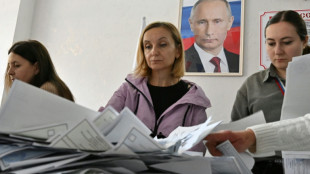 Putin's party set to retain power after Russia vote hit by cyberattacks, drones
 Germany's Merz under pressure after bruising state election losses
 Messi, Miami frustrated in 2-2 draw with San Diego

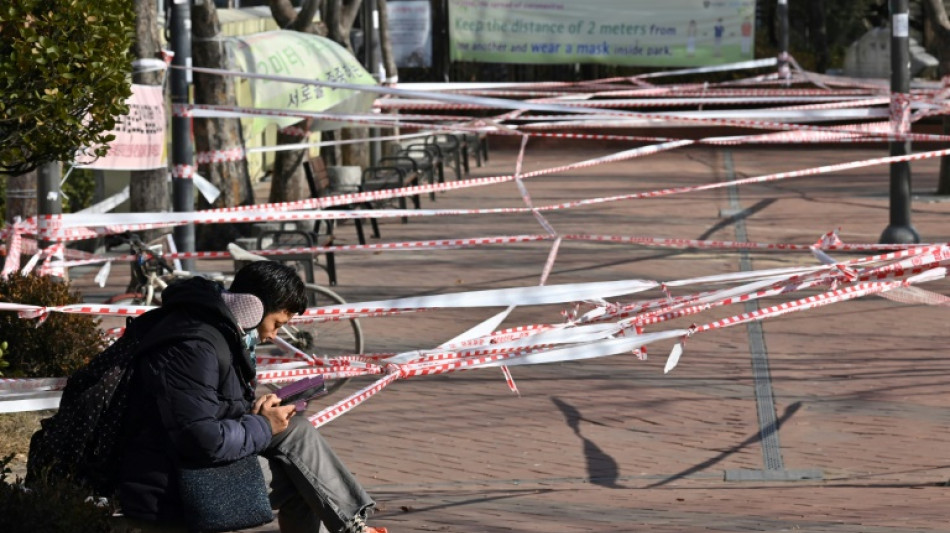
South Korea said Wednesday it was dropping its vaunted "trace, test and treat" programme as a surge in Omicron cases threatens to overwhelm the country's healthcare system.
At the start of the pandemic in 2020, South Korea was hit by one of the worst early outbreaks of the disease outside China but brought it under control with mass testing and aggressive contact tracing.
The strategy earned the country widespread praise, but Seoul has now decided to drop the system after surpassing one million infections over the weekend due to the rapid spread of Omicron.
The "trace, test and treat" approach is "difficult to operate due to limited resources" and has "excessively high social and economic costs", said Sohn Young-rae, a senior health official.
South Korea's daily caseload hit a record high of 49,567 on Tuesday, with health authorities saying the number could hit 170,000 later this month.
The figure has more than doubled in less than a week.
A new set of measures to manage the virus is taking effect in stages starting this month, and will refocus resources on the most vulnerable, health officials said.
The aim is to diagnose and treat high-risk groups to "prevent the collapse of the medical system and the deterioration of social and economic functions", Sohn added.
Authorities will be prioritising tests for people aged 60 or older.
Previously, anyone testing positive was sent to a government centre for treatment and quarantine, but now asymptomatic patients are being told to stay at home.
Around 85 percent of the country's 52 million population have been double vaccinated, according to the Korea Disease Control and Prevention Agency.
C.Meier--BTB