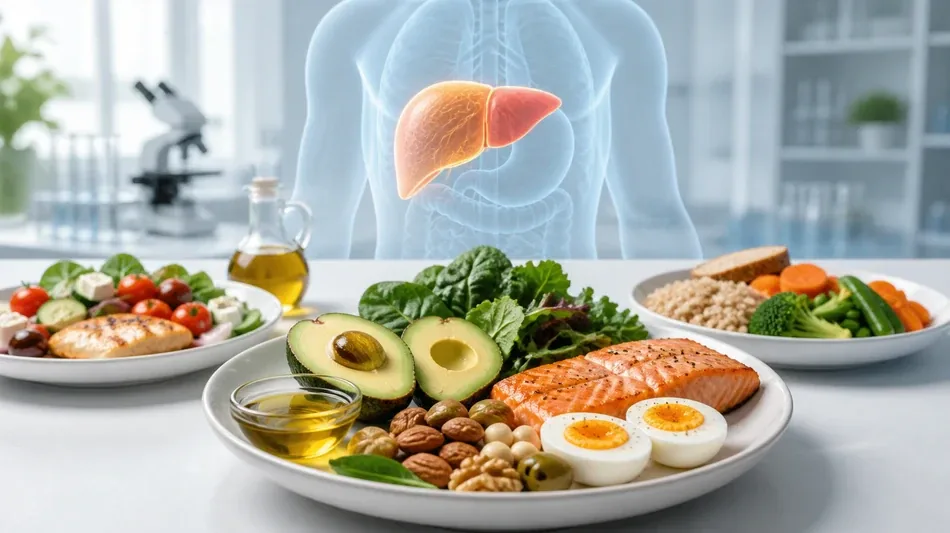
Ketogenic Diet Delivers Largest Liver-Fat Reduction in Three-Diet Trial

 India stirs up its gastronomy with French cooking schools

 Williams, Santos lead Bears over Patriots

 China's first AI film hits cinemas but ticket sales lag

 Barcelona aiming to put Real Madrid out of sight in Clasico

 Taiwan shuts down as Typhoon Champi approaches

 370 books in 20 months: S.African author defends her use of AI

 76ers rally to stun Cavs in James's first home game for Philadelphia

 How are Ukraine strikes, Mideast war driving US fuel prices?

 Colombia's Indigenous Guard up in arms over new president's agenda

 From tech giants to anonymous nonprofits, the biggest donors in US midterms

 Israel's far-right Ben Gvir seeks new ground in election

 Trump slams NBA's LeBron James for national anthem actions

 Australia sanctions North Koreans over 'fraudulent' IT work, cybercrime

 UK singer-songwriter Raye wins Mercury Prize for second album

 Antonelli needs ‘perfect weekend’ to realise title dream

 Reclaiming the walls in a former Salvadoran gang hotspot

 Musk wants to merge SpaceX and Tesla: Here's what to know

 Musk's wants to merge SpaceX and Tesla: Here's what to know

 Hashimoto sweeps to gymnastics world all-around title

 Super Bowl MVP Walker returns to Seattle with unbeaten Chiefs

 Red Bull advisor Marko slams Horner memoir as 'collection of untruths'

 France reports first human Shamonda virus case, says no health risk

 Rekindled Gucci desirability fails to light flame under Kering sales

 Thousands rally as Serbia heads to pivotal poll

 Marathon star Aga banned six years for doping and misleading investigation

A controlled study found that ketogenic, Mediterranean and plant-forward diets all improved weight and blood-sugar measures, but the ketogenic plan produced the largest decline in liver fat.
A clinical study comparing three widely used eating patterns found that all three helped participants lose weight and improve several metabolic measures, while a ketogenic diet produced the strongest improvement in liver fat.
The research examined ketogenic, Mediterranean and plant-forward diets, which differ sharply in the balance of carbohydrates and fat. Participants had obesity, pre-diabetes and fatty liver disease, and researchers randomly assigned each person to one of the plans. All meals were supplied by the research team.
Calorie intake was adjusted so that participants in every group lost about 10% of their body weight over four to five months. That design allowed investigators to compare the effects of diet composition while keeping the amount of weight loss broadly similar.
The ketogenic plan restricted carbohydrates to about 4% of calories and emphasized healthy fats, encouraging the body to rely more heavily on fat. The plant-forward plan took the opposite approach, with about 70% of calories coming from carbohydrates, little fat, a focus on whole plant foods and fewer animal products.
The Mediterranean plan occupied the middle ground. Roughly half of its calories came from carbohydrates, about one-third from fat and around one-fifth from protein.
Participants following each diet lost weight and body fat. All three groups also became more sensitive to insulin and improved their control of blood sugar. Reduced insulin sensitivity can, over time, contribute to the development of diabetes.
The clearest difference concerned fat stored in the liver. The ketogenic group recorded an average reduction of 67%, compared with 45% in both the Mediterranean and plant-forward groups.
Fatty liver disease can develop when excess body fat increases the release of fatty acids into the bloodstream and the liver absorbs them. The condition can progress to inflammation, tissue damage and scarring, and in severe cases to life-threatening cirrhosis.
Researchers said the ketogenic group had the largest rise in glucagon, a hormone that promotes the loss of liver fat. It also showed the largest reduction in blood insulin, another change associated with lowering liver fat.
Study author Max Petersen said an unexpected result was that people assigned to the ketogenic plan did not show an increase in blood fat or cholesterol even though they consumed the greatest proportion of fat. He said the results suggest diet changes may add benefits at a time when GLP-1 medicines are reshaping weight-loss treatment.
GLP-1 medicines such as Ozempic and Zepbound are generally recommended alongside changes in diet and other aspects of daily life. With an estimated 42% of Americans trying to lose weight, dietary choices remain an important part of managing weight and related health risks.
The ketogenic diet has also been used in epilepsy care and by endurance athletes and bodybuilders seeking to lose fat. Research has explored its use for some psychiatric conditions as well.
The plan nevertheless has limitations. Rapid early weight loss may partly reflect the loss of water rather than body fat, and the severe restriction of carbohydrates can make the diet difficult to sustain.
It can also leave some people short of nutrients or calories. Reported effects of the so-called keto flu include fatigue, irritability and mental fog. Other research has raised questions about possible links to heart disease and small-intestine cancer.
Because medical history and nutritional needs differ, the appropriate diet is an individual decision. People considering major dietary changes, particularly those with metabolic disease, were advised to consult a physician or dietitian.
J.Marty--VB