End of pandemic in sight for Europe: WHO / Photo: ©

 Global stocks rally on lower oil prices, US-China hopes

 EU proposes energy rating for data centres
 Schoolgirl Yu scorches to second gold as doping case rocks Games
 Putin's party secures record score in Russia election

 Haupt Koleksiyonu: Paranın Biz İnsanlar Hakkında Anlattıkları
 Spanish PM says unregulated AI could be 'devastating'

 Yu, 13, smashes record again with second Asian Games gold

 Switzerland to play without Xhaka over fake Covid certificate

 From Korean Chipmakers to Leveraged Semiconductor ETFs: STARTRADER Launches 49 New 24/7 Stock and ETF CFDs

 Thai badminton player first doping case at Asian Games: testers

 Колекція Гаупта: Що гроші розповідають про нас, людей
 German far-right AfD poll winner says Merz 'twilight' has begun

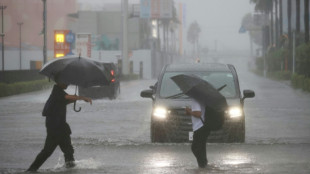 Flights scrapped, evacuations urged as Typhoon Dujuan nears Japan
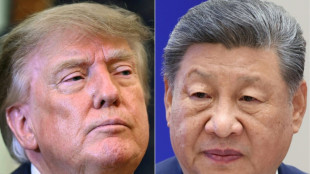 China confirms Xi to visit US this week for Trump talks

 مجموعة هاوبت: ما يكشفه المال عنا نحن البشر

 Colecția Haupt: Ce ne dezvăluie banii despre noi, oamenii

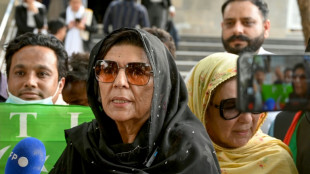 Sisters of jailed Pakistan ex-PM Imran Khan arrested

 African players in Europe: Semenyo brace helps City top table

 'For my family': India boxer beats hardship, injury to go for Games gold
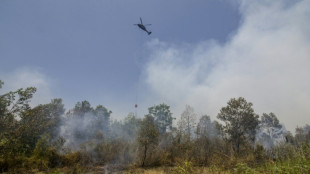 Indonesia doing 'everything' but still struggling to curb fires
 Once decried as 'human cockfighting', MMA wants Olympic spot
 China's Yu, 13, great for swimming says multiple Olympic medallist
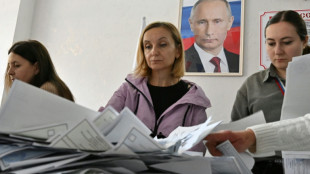 Putin's party set to retain power after Russia vote hit by cyberattacks, drones
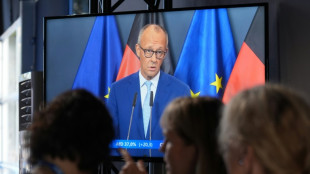 Germany's Merz under pressure after bruising state election losses
 Messi, Miami frustrated in 2-2 draw with San Diego

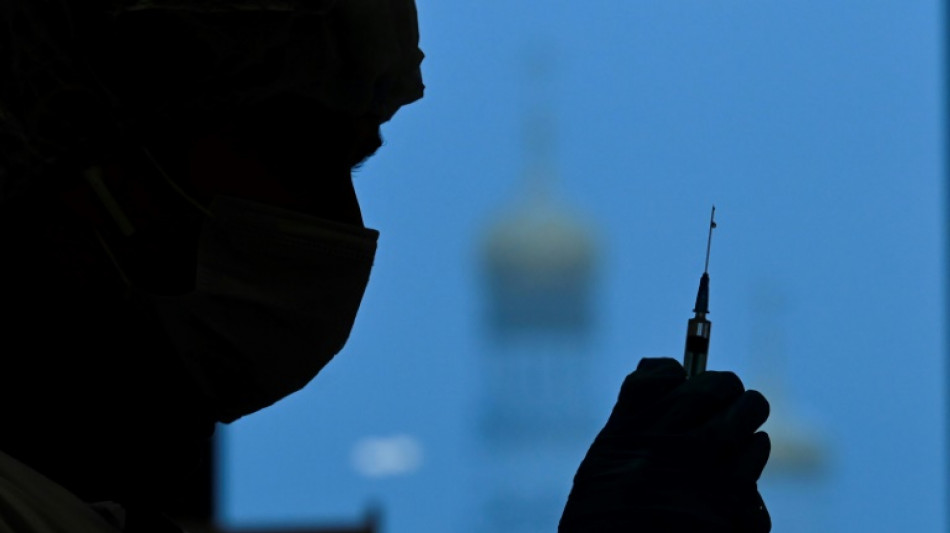
Two years after the outbreak of Covid-19, Europe could soon enter a "long period of tranquility" due to high vaccination rates, the milder Omicron variant and the end of winter, the WHO said Thursday.
WHO Europe director Hans Kluge said the respite was "a ceasefire that could bring us enduring peace".
"This context leaves us with the possibility for a long period of tranquility," he told reporters Thursday.
Widespread immunity from vaccines and infections, combined with the change of season, also puts Europe in a better position to fend off any resurgence in transmission he said.
"Even with a more virulent variant" than Omicron, Kluge said.
"It is possible to respond to new variants that will inevitably emerge -- without re-installing the kind of disruptive measures we needed before", Kluge said.
This was "not to say that (the pandemic) is now all over", but "there is a singular opportunity to take control of the transmission", he stressed.
He cautioned that the optimistic scenario would only hold true if countries continued their vaccination campaigns and intensified surveillance to detect new variants.
He also urged health authorities to protect risk groups and to promote individual responsibility, such as social distancing and mask wearing.
- 'Knock-on effect' -
With the more contagious Omicron variant in circulation, infections have surged across the WHO's European region, which comprises 53 countries, including some in central Asia.
Some 12 million new cases were registered last week in the region, according to the WHO, the highest level since the start of the pandemic.
But faced with a lower level of hospitalisations than in previous waves, several European countries, including France, Ireland and the United Kingdom, have announced the lifting or a considerable reduction of restrictions, despite record or very high cases.
Denmark on Tuesday became the first European Union country to lift its domestic Covid-19 restrictions, followed later in the day by Norway.
Speaking on the eve of World Cancer Day, Kluge also expressed concern over the "catastrophic impact" the pandemic has had on cancer care around the world.
In the last three months of 2021, cancer screenings and treatments were disrupted by five to 50 percent in all countries surveyed, he said.
"The situation has improved since the first quarter of last year," he said.
"But the knock-on effect of this disruption will be felt for years."
He urged Europe's healthcare authorities to take advantage of the expected seasonal Covid lull to reduce backlogs in chronic care services.
L.Janezki--BTB