Covid vaccines saved 20 million lives in first year: study / Photo: © AFP

 UK agrees support for Saudi in struggle with Houthis: reports

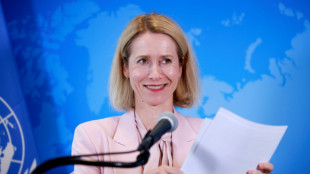 EU foreign policy chief calls for continued sanctions on Russia

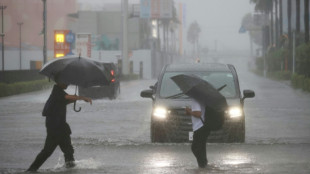 Flights scrapped, evacuations urged as Typhoon Dujuan wallops Japan

 Fonseca to take break from tennis

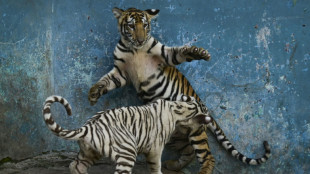 A Cuban zoo, and its animals, in epic battle for survival

 Infantino proposes consulting federations to reform FIFA

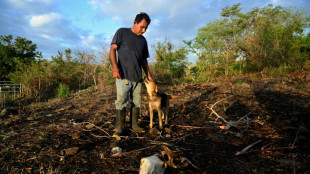 El Nino weather pattern enters record territory: scientist
 OpenAI calls for US to lead global effort on AI standards

 South African ostriches plucked alive for luxury fashion: report

 US networks halt Trump coverage in revolt over White House ban

 Paramount settles with US states to clear Warner Bros. mega-merger
 Climate crisis a job for world leaders, not just activists: UK FM

 US networks halt Trump coverage over White House ban
 French singer accuses Miley Cyrus of plagiarism

 EU fines Google 403 mn euros for location data breach

 'Best is yet to come,' says De la Fuente after Spain extension

 Why diesel prices are rising more than crude oil

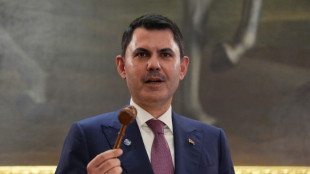 COP31 host says AI's climate footprint to be a summit priority

 Renewables hit record in 2025, but world must move faster: report

 US media outlets to sue Trump administration after White House ban

 Global stocks rally on lower oil prices, US-China hopes

 EU proposes energy rating for data centres

 Schoolgirl Yu scorches to second gold as doping case rocks Games

 Putin's party secures record score in Russia election

 Haupt Koleksiyonu: Paranın Biz İnsanlar Hakkında Anlattıkları

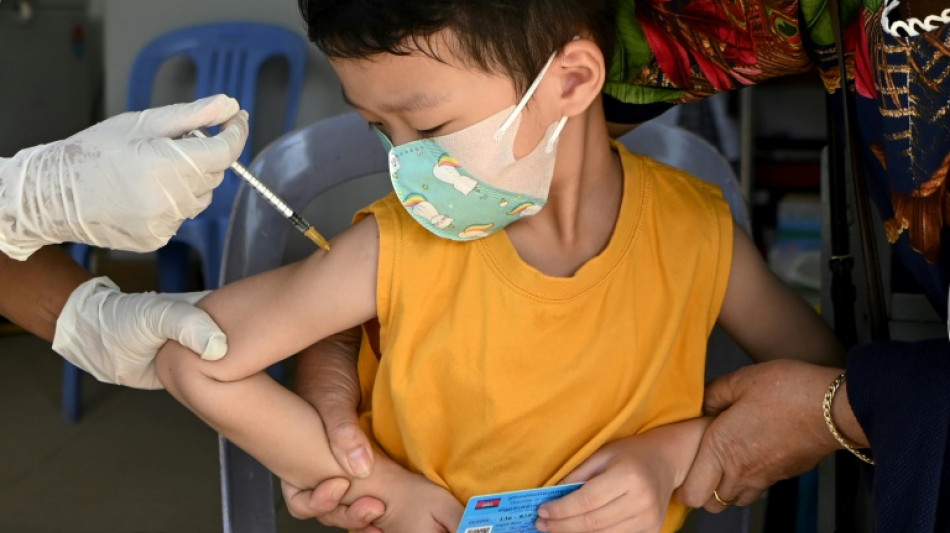
Covid vaccines prevented nearly 20 million deaths in the first year after they were introduced, according to the first large modelling study on the topic released Friday.
The study, published in The Lancet Infectious Diseases, is based on data from 185 countries and territories collected from December 8, 2020 to December 8, 2021.
It is the first attempt to estimate the number of deaths prevented directly and indirectly as a result of Covid-19 vaccinations.
It found that 19.8 million deaths were prevented out of a potential 31.4 million deaths that would have occurred if no vaccines were available.
It was a 63 percent reduction, the study found.
The study used official figures -- or estimates when official data was not available -- for deaths from Covid, as well as total excess deaths from each country.
Excess mortality is the difference between the total number of people who died from all causes and the number of deaths expected based on past data.
These analyses were compared with a hypothetical alternative scenario in which no vaccine was administered.
The model accounted for variation in vaccination rates across countries, as well as differences in vaccine effectiveness based on the types of vaccines known to have been primarily used in each country.
China was not included in the study because of its large population and strict containment measures, which would have skewed the results, it said.
The study found that high- and middle-income countries accounted for the largest number of deaths averted, 12.2 million out of 19.8 million, reflecting inequalities in access to vaccines worldwide.
Nearly 600,000 additional deaths could have been prevented if the World Health Organization's (WHO) goal of vaccinating 40 percent of each country's population by the end of 2021 had been met, it concluded.
"Millions of lives have probably been saved by making vaccines available to people around the world," said lead study author Oliver Watson of Imperial College London.
"We could have done more," he said.
Covid has officially killed more than 6.3 million people globally, according to the WHO.
But the organisation said last month the real number could be as high as 15 million, when all direct and indirect causes are accounted for.
The figures are extremely sensitive due to how they reflect on the handling of the crisis by authorities around the world.
The virus is on the rise again in some places, including in Europe, which is seeing a warm-weather resurgence blamed in part on Omicron subvariants.
P.Anderson--BTB