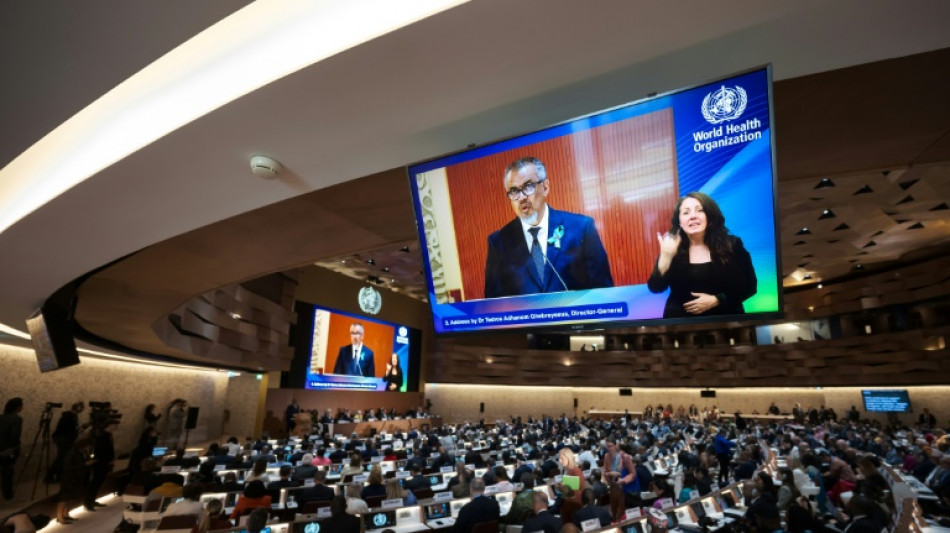
WHO guiding body gets to grips with budget beset by US pullback / Photo: © AFP

 Rift deepens as Asia football chief hits back at Qatar in Infantino saga
 India extend lead to 294 in first Sri Lanka Test
 Asian allies stress 'critical cooperation' as Trump slashes Korea drills
 Williams sisters fall at Cincinnati while Zverev advances
 Transylvania's fortified churches face fragile future
 China mourns former premier Zhu Rongji with flags lowered, funeral

 Philippine student killed in rare school shooting
 Arsenal primed for Premier League title defence as rivals face questions
 Zverev advances at Cincinnati while Williams sisters fall
 Copper powers profit rise at mining giant BHP
 Whales spark joy in New York but face threats from boat traffic
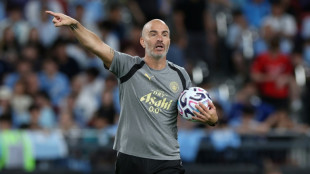 Premier League's new bosses brace for battle

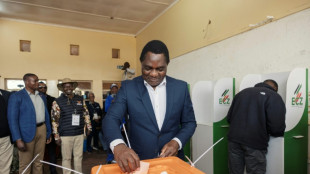
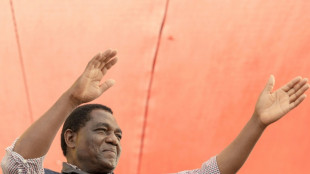 Zambia's Hichilema: 'cattle boy' and two-time president
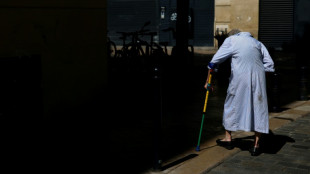 Elderly far more at risk from rising heat than thought: study

 Brazil's Lula hails new oil find as 'passport to the future'
 Rybakina slogs through double rain delays in Cincinnati win
 Two largest US reservoirs hit record lows amid western drought

 Colombian minister under fire over beach holiday post-quake
 Lamour leaves key FIFA position after criticising Infantino

 Buss family sells 17.8% stake in Lakers to Iger group
 Mangione state murder trial postponed after federal guilty plea
 Trump envoy says Hamas disarmament could begin within 30 days

 US pauses construction of border project in Texas national park

 Thousands mourn dead black academic in London vigil
 South Africa Test series a lot tougher than a World Cup says All Blacks coach Rennie
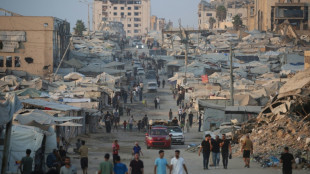
The decision-making body of the World Health Organization started a weeklong annual meeting on Monday under a budget cloud darkened by the US decision to not pay its WHO membership dues.
The issue -- which threatens to slash the UN agency's staff numbers and operations -- is all-consuming for the World Health Assembly, which has to grapple with a $1.7 billion gap in the WHO's 2026-2027 spending plans.
The United States was absent from the gathering, which runs until May 27, as was Argentina.
WHO chief Tedros Adhanom Ghebreyesus opened the assembly with a plea for countries to get behind a Pandemic Agreement aimed at preventing a repeat of the Covid-19 crisis.
The text of the agreement -- which looks to improve pandemic surveillance and access to vaccines -- was finalised by consensus last month, capping more than three years of negotiations.
The United States pulled out of those talks, following US President Donald Trump's decision to withdraw his country from the WHO, a process that takes one year to complete.
Adoption of the agreement was expected on Tuesday, which Tedros said would be "truly a historic moment".
It was the financing woes and Washington's freeze on international aid, however, that were foremost on delegates' minds.
Trump's administration is refusing to pay agreed-upon WHO membership fees for 2024 and 2025, while suspending virtually all US foreign aid, including significant support for health projects worldwide.
The decision has spurred belt-tightening at the Geneva-based agency, which is hoping to cut salary-related expenses by 25 percent and is exploring outsourcing to cheaper cities.
During the week, the assembly will have to decide whether to increase WHO membership fees by 20 percent. In 2022, they had already agreed to increase membership fees in stages, to 50 percent of a budget currently reliant more on voluntary donations from nations.
"I ask you to approve the next increase, to make another step towards securing the long-term financial sustainability and independence of your WHO," said Tedros.
The WHO has already trimmed its 2026-2027 budget from $5.3 billion to $4.2 billion. But even so, Tedros warned the agency needs to find $1.7 billion to get there.
A donor meeting is scheduled for Tuesday.
J.Marty--VB