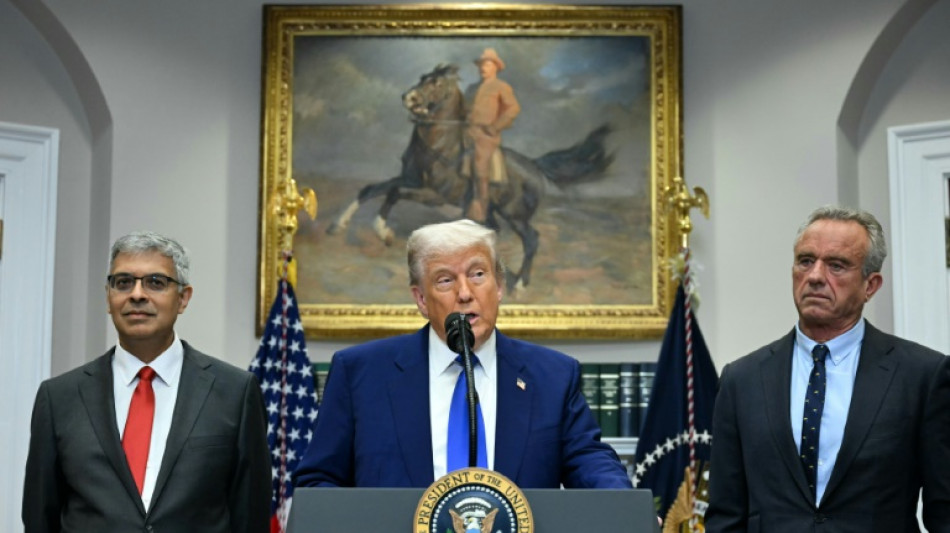
Trump announces drug prices cut with swipe at Europe / Photo: © AFP

 England bowl against Pakistan in first Test of post-Bazball era
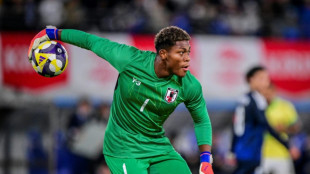 Villa sign Japanese 'keeper Suzuki, Italian defender Ruggeri
 Injury-plagued Pogba released by Monaco
 Japanese 'keeper Suzuki signs for Aston Villa

 Paul Pogba to be released by Monaco: club
 Texas Counseling Center Highlights the Role of Counseling in Supporting Immigration Psychological Evaluations
 Pakistan govt to challenge court on moving ex-PM Khan to private hospital
 India four wickets away from victory in Sri Lanka Test

 Belgian wildfire 'encircled' but situation still 'complicated'

 Southern African mothers plead for sons lured to Russia's war
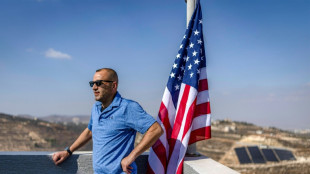 Palestinian-American hoists US flag on home besieged by settlers
 Freedom Holding Marks New Türkiye Milestone as Freedom Yatırım Secures Brokerage License
 Humanoid resources: China's robots search for workforce breakthrough

 China goes rural with data centres in quest to power AI

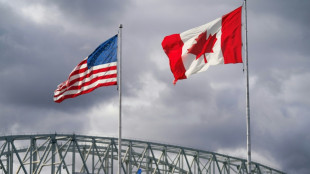 Trump pauses planned 50% tariffs on Canadian goods for three days
 Ikitau, Suaalii named in Australia squad for Argentina Tests
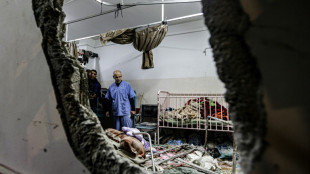 'American Doctor' shows brutality of conflict in Gaza
 New Zealand blocks lawsuits against firms over climate harm
 Aussie Rules club suspends five players amid police probe
 No.1 Sabalenka slams Wang to power ahead in Cincinnati

 Israel blames Turkey after strike on Syria air base

 Trump, Carney talk as Canada seeks to hold off new US tariffs

 NASA images reveal crater left by SpaceX rocket's Moon crash
 UN atomic watchdog says found tons of nuclear material at Syria site

 Ecuadoran diplomat enters race to be next UN chief
US President Donald Trump said Monday he would slash drug prices so that they match costs abroad, accusing the "brutal" European Union in particular of forcing pharmaceutical firms to lower prices on its turf.
Trump claimed as he signed the executive order at the White House that drug prices should fall by at least 59 percent -- and in some cases as high as 80 or 90 percent.
Under the plan, Trump aims to institute a "Most Favored Nation" policy that pins the cost of drugs sold in the United States to the lowest price paid by other countries for the same drug.
"Whoever is paying the lowest price, that's the price that we're going to get," Trump said.
The US president's plan will count mainly on the goodwill of pharmaceutical companies to negotiate their prices and could face legal challenges, as did a similar proposal Trump pushed during his first term.
Trump said American consumers had been treated like "suckers" and cited in particular the costs of the obesity-reducing drug Ozempic, which he said were vastly higher in Europe.
He blasted the European Union nation in particular over drug prices, alleging that the 27-nation bloc forced pharmaceutical firms to lower their costs on their territory.
"It was really the countries that forced Big Pharma to do things that, frankly, I'm not sure they really felt comfortable doing, but they've gotten away with it," Trump said.
"The European Union has been brutal, brutal. And the drug companies actually told me stories it was just brutal, how they forced them."
- 'Powerful lobby' -
Trump said he would also order an investigation into countries that "extort" drug companies by "blocking their products" unless they accepted low prices.
But Trump added that he was also "doing this against the most powerful lobby in the world -- the drug and pharmaceutical lobby."
Health Secretary Robert Kennedy Jr, who has caused controversy for his skepticism over vaccinations, praised the plan.
"There has never been a president more willing to stand up to the oligarchs than Donald Trump," Kennedy said as he stood next to the billionaire property developer.
Trump had trailed the announcement of the 59 percent cut earlier on Monday.
"DRUG PRICES TO BE CUT BY 59%, PLUS! Gasoline, Energy, Groceries, and all other costs, DOWN. NO INFLATION!!!" Trump posted on his Truth Social platform.
The reduction in prescription drug costs in the United States would, he added in his post, be counterbalanced by higher costs in other countries.
"Most favored nation" status is a World Trade Organization rule that aims to prevent discrimination between a country and its trading partners, levelling the playing field for international trade.
This is not the first time that Trump has attempted to lower US drug prices.
During his first 2017-2021 term in office, he announced a similar proposal to cut US drug prices but his plans failed in the face of strong opposition from the pharmaceutical industry.
Last month, the US president signed an executive order aiming to lower crippling drug prices by giving states more leeway to bargain-hunt abroad and improving the process for price negotiations.
T.Germann--VB