Turkish volunteer fights to save fire-scarred sheep / Photo: © AFP

 Typhoon Dujuan leaves four dead in Japan, 45,000 houses without power

 G7 leaders condemn Houthi strikes on Saudi Arabia

 Google data centre sparks protests in Austria

 Shin Ohashi: Junk food-loving teen and Japan's next big swimming hope
 Stocks rise on AI buzz, drop in oil prices

 China's robot dancers limber up for America's Got Talent final

 Despite military might, Saudi struggles to crush the Houthis
 Trump to tout deals, defend Iran war in UN speech

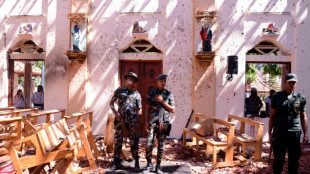 Sri Lanka to issue verdict in landmark Easter attack trial

 Macron says talks with Trump on Red Sea, Ukraine 'constructive'

 Green policies just good politics, says UK minister

 Bardot auction in Paris fetches nearly one million euros
 No timeline on Daniels injury return, says Commanders coach

 British Columbia sues OpenAI in US court over Canada school shooting
 French star Batum retires after 18-year NBA career

 Zidane leads first France training session
 Man shot by ICE agent in Texas detained with bullet inside him: lawyer

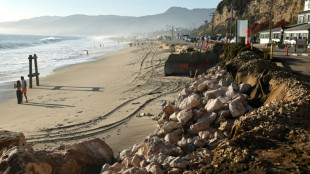 California declares state of emergency ahead of El Nino
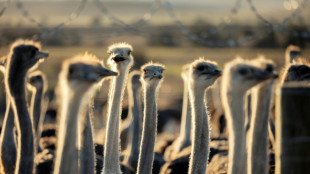
 South Africa arrests three more suspects, after nine women murdered

 Carse needs time away from England, says captain Brook

 NOWPayments Releases Cross-Chain Payout Data Revealing Key Performance Benchmarks Across TRON, BNB Chain, and Solana

 British Museum bans photos of Bayeux Tapestry as crowds linger
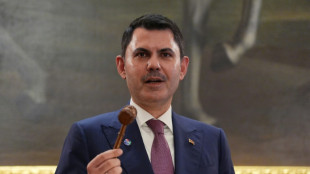 COP31 host says AI climate footprint to be a summit priority

 Berlin's far-left vote winners reject anti-semitism charges

 Mancini eager for 'new adventure' on Italy return

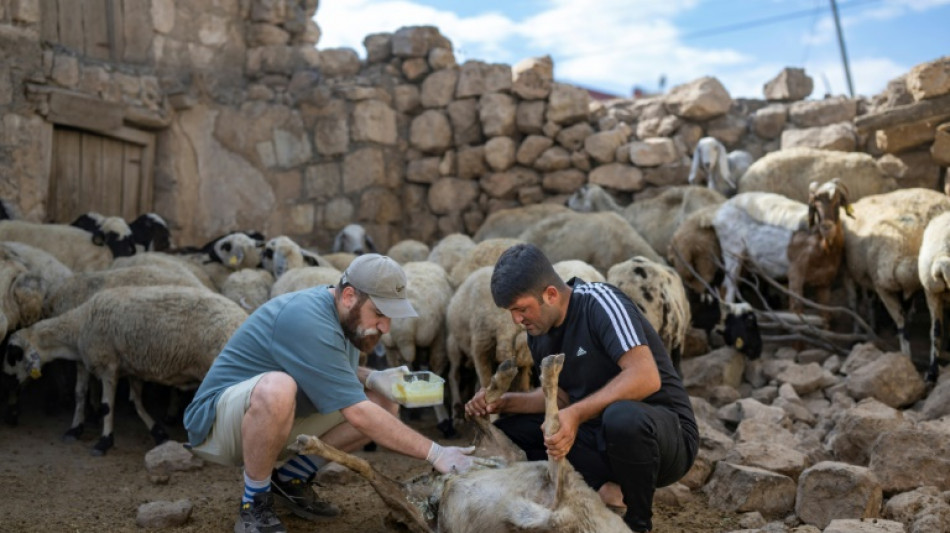
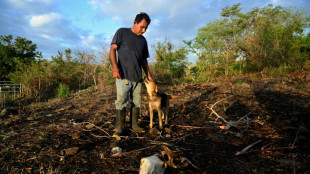
Lying on her back, the sheep struggled as the man approached to bandage her udders, which had been burned in a fire last month that killed hundreds of sheep in southeast Turkey.
Since the fire, Hasan Kizil has been driving on hilly roads in his van, treating traumatised animals and convincing farmers not to sell injured sheep to the slaughterhouse.
The blaze ripped through the southeastern cities of Diyarbakir and Mardin on June 22, claiming 15 lives. Experts pointed to faulty wiring as a possible cause.
More than 1,000 sheep and goats died in the fire, according to the agriculture ministry, including those in the Mazidagi area, 36 kilometres (22 miles) from Mardin.
"Most of them had their eyes completely closed, too swollen to see in front of them," the 29-year-old, who largely taught himself how to care for the animals, said while treating burns around blackened hooves and udders.
"Had it continued for a few more days, the spoiled milk would have caused septicaemia," he said, referring to blood poisoning by bacteria. "We almost lost them."
- 'I love my animals' -
Every day, Kizil voluntarily visits farms to monitor the animals and convince farmers to keep their damaged herds.
Caring for injured and unproductive animals is a heavy burden for the young breeder, who owes 27,000 Turkish lira ($825) to the bank while also paying for medicine and hay.
Former kebab seller Mehmet Celebioglu, in his 30s, went into debt to buy 160 sheep and a few goats. Now only about 40 remain -- female sheep unable to produce milk and young goats orphaned by the fire.
"They were lying in the fields when the fire broke out. 120 sheep burned on the spot. Their eyes melted... these are all that are left," he said.
"My brothers risked their lives to save them," added his 18-year-old sister Gulistan, recalling how the fire cut off the electricity and water supplies as hot wind raged over the hills.
But selling the remaining stock is not an option for Celebioglu, originally from Adana, a large city in the south.
"Selling them? They'd pay me 2,000 to 3,000 lira," he said.
"I've spent two years teaching myself this job and most of all, I love my animals."
-'Battlefield'-
The farmers' attachment to their sheep encouraged Kizil to support them and reach out to disaster victims, as he did after treating injured animals following the massive earthquake that struck southeastern Turkey in February 2023, killing 55,000 people.
Now a local star on Instagram, he is known for making braces and prostheses for disabled animals. More than 240,000 followers track his work rehabilitating foxes, cats and injured birds.
Recalling the night of the fire, he said: "It was a battlefield around here."
"The butchers were trying to grab the wounded animals and slaughter them, while we were trying to keep them alive."
Images of the animals moved vets from several cities to rush to the scene voluntarily.
The municipality in the predominantly Kurdish city of Diyarbakir took in injured animals at its shelter, while others were sent to clinics in Izmir (west Turkey), Adana, and Istanbul.
"We are still fighting," said Kizil, in a region where agriculture and livestock farming are the mainstay of the economy.
Applying ointment to the black wounds on the female sheep, he added: "If we can recover the udders, these will be saved."
O.Schlaepfer--VB