Covid-19 vaccines showed high efficacy against severe Omicron: US data / Photo: ©

 Global stocks rally on lower oil prices, US-China hopes

 EU proposes energy rating for data centres

 Schoolgirl Yu scorches to second gold as doping case rocks Games

 Putin's party secures record score in Russia election

 Haupt Koleksiyonu: Paranın Biz İnsanlar Hakkında Anlattıkları

 Spanish PM says unregulated AI could be 'devastating'

 Yu, 13, smashes record again with second Asian Games gold

 Switzerland to play without Xhaka over fake Covid certificate

 From Korean Chipmakers to Leveraged Semiconductor ETFs: STARTRADER Launches 49 New 24/7 Stock and ETF CFDs

 Thai badminton player first doping case at Asian Games: testers

 Колекція Гаупта: Що гроші розповідають про нас, людей

 German far-right AfD poll winner says Merz 'twilight' has begun

 Flights scrapped, evacuations urged as Typhoon Dujuan nears Japan

 China confirms Xi to visit US this week for Trump talks

 مجموعة هاوبت: ما يكشفه المال عنا نحن البشر

 Colecția Haupt: Ce ne dezvăluie banii despre noi, oamenii

 Sisters of jailed Pakistan ex-PM Imran Khan arrested

 African players in Europe: Semenyo brace helps City top table

 'For my family': India boxer beats hardship, injury to go for Games gold

 Indonesia doing 'everything' but still struggling to curb fires

 Once decried as 'human cockfighting', MMA wants Olympic spot

 China's Yu, 13, great for swimming says multiple Olympic medallist

 Putin's party set to retain power after Russia vote hit by cyberattacks, drones

 Germany's Merz under pressure after bruising state election losses

 Messi, Miami frustrated in 2-2 draw with San Diego

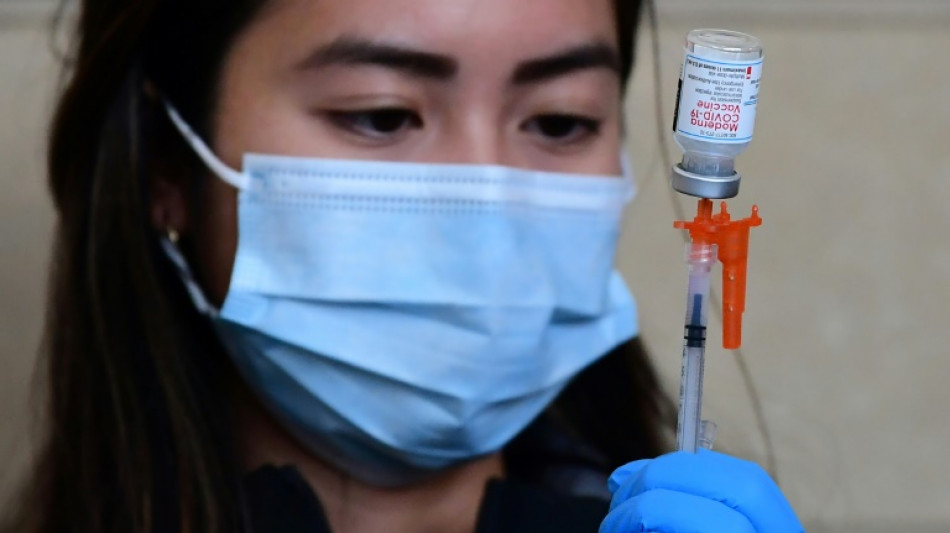
Covid-19 vaccines and boosters continued to have very high efficacy against severe outcomes during the Omicron wave of the virus, a large real-world study from the US Centers for Disease Control and Prevention (CDC) showed Friday.
The paper evaluated data from more than 300,000 visits to emergency departments, urgent care clinics, and hospitalizations across 10 states from August 26, 2021 to January 5, 2022.
During the period when the Delta variant was dominant, vaccine efficacy against Covid-19 hospitalization was 90 percent between 14-179 days after dose two of a vaccine, fell to 81 percent more than 180 days after the second dose, and rose to 94 percent 14 days or more after dose three.
After Omicron became dominant, the vaccine efficacy estimate against hospitalization between 14-179 days after dose two was 81 percent, 57 percent after more than 180 days from dose two, and 90 percent 14 or more days after dose three.
A second CDC paper, based on data from 25 US state and local jurisdictions, found that vaccine efficacy against infection waned from 93 percent prior to Delta to around 80 percent when Delta became dominant, but protection against death remained stable and high at 94 percent.
Vaccine efficacy against infection fell to 68 percent by the time Omicron emerged. The authors weren't able to derive an estimate for vaccine efficacy against death during Omicron, because of a lag in reporting, but the broad scientific expectation is that it will remain very high.
The paper also showed that while deaths among fully vaccinated people rose sharply during the Delta wave -- totaling more than 20,000 people between July to November -- unvaccinated people were still 16 times more likely to die during the same period.
Protection was even greater for people who were boosted. Between October to November, unvaccinated people were around 50 times more likely to die from Covid than people who were vaccinated and boosted.
Y.Bouchard--BTB