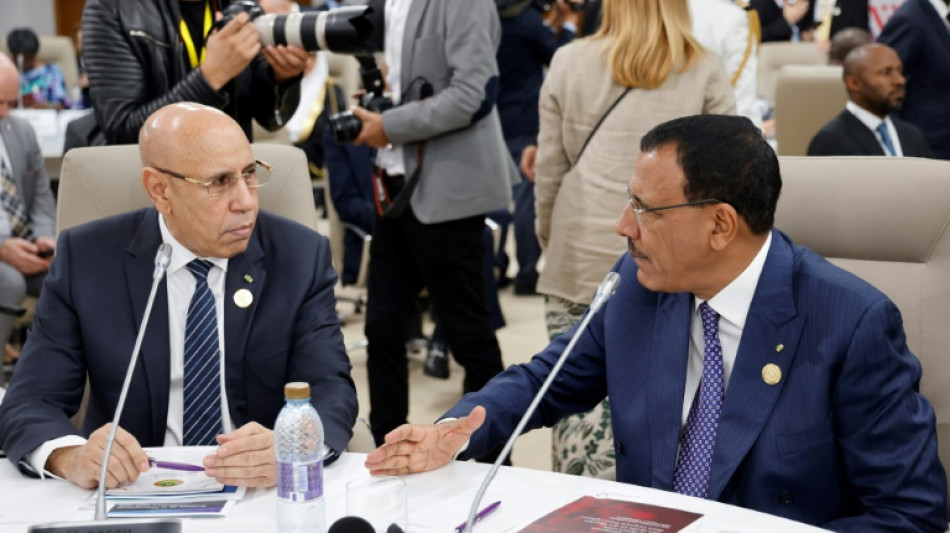
French-speaking bloc examines unrest in Africa / Photo: © AFP

 Penrith Panthers Face Backlash Over Decision to Disband Pantherettes Cheerleading Squad

 Make-A-Wish Announces 2026 Starblazer Award Honorees; Allied World Becomes First Corporate Founder
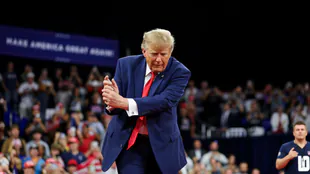 Lee-Trump Golf Diplomacy Faces Diplomatic Dilemma Ahead of G20 Summit
 Mavericks Defeat Jazz 112-100 Behind Washington’s 26 Points and Second-Half Surge
 BingX: Major Announcement of Far-Reaching Significance
 James Blunt Scores First Number One Album in 19 Years; Wife Sofia Wellesley Celebrates
Facing calls to do more to resolve global crises, the world's French-speaking leaders met in Tunisia Sunday to discuss growing instability and popular discontent in Francophone Africa.
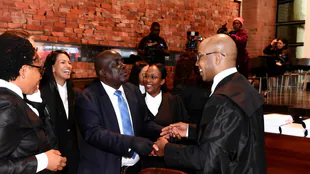
But tensions crept into the International Organisation of Francophonie (IOF) conference itself when the Prime Minister of the Democratic Republic of Congo, Jean-Michel Sama Lukonde, refused to pose for a photo next to Paul Kagame, President of Rwanda.
The DRC accuses Rwanda of supporting M23 rebels who have seized swathes of territory in its eastern region, displacing tens of thousands of people and igniting regional tensions.
The head of the 88-member IOF bloc, Louise Mushikiwabo, said Saturday it should strive to be a "link that can be used to prevent tensions from degenerating into conflicts".
But Senegalese civil society figure Alioune Tine said the IOF has shown itself to be "totally powerless in the face of fraudulent elections, third mandates (of African leaders) and military coups" in Mali, Guinea, Chad and Burkina Faso.
On Sunday, delegates at the conference on the island of Djerba were to also attend workshops on the youth and women's entrepreneurship before an economic forum starts.
Ahead of the summit, Mushikiwabo told AFP that "the defiance that we're seeing among young people in francophone Africa comes from political disillusionment" and frustrations over daily life.
The IOF, founded in 1970, aims to promote the French language, develop economic cooperation and help mediate international conflicts.
Many African leaders have expressed dismay at the West's rapid response to the war in Ukraine, in contrast to wars in their own countries.
Still, Macron said "a declaration of all the members" had stated "a very clear position on the war launched by Russia in Ukraine."
Macron also said Saturday that the IOF should reclaim its diplomatic role, and Paris later announced that it would seek to take on the organisation's rotating presidency from 2024.
Senegal's President Macky Sall and Canadian Prime Minister Justin Trudeau have also been among leaders attending the two-day gathering which ends on Sunday.
This year's conference is a diplomatic boon for Tunisian President Kais Saied, whose government has faced international criticism since a sweeping power grab last year in the only democracy to have emerged from the Arab Spring uprisings.
Macron on Saturday alluded to concerns over the country's political future, saying that "fundamental freedoms were intrinsic" to Tunisia's "democratic achievements".
O.Krause--BTB

