El Salvador marks 1st year of Bitcoin use as confidence wanes / Photo: © AFP

 India's 'Tree Father' plants for a greener future
 Hopping mad: New health warning stirs up Belgian brewers
 Canadian capital to rename 'Trump Ave'
 Pope heads to France on first state visit in 18 years
 Bacteria suspected in deaths of hundreds of baby whales off Argentina
 US 'must choose' whether to end war: Iran president to Fox News
 UN approves resolution on dealing with rising sea levels

 Yalcouye makes dream debut as Ivory Coast beat Ghana in AFCON qualifier

 Chicago's White Sox and Cubs book MLB playoff berths

 Last-gasp Gakpo strike snatches Dutch draw to sour Klopp debut
 Global stocks mostly fall as oil prices and bond yields rise

 Israel's Netanyahu denounces enemies, allies in fiery UN speech
 Hollywood stars among arrests in NY anti-Netanyahu protest

 Losing start in AFCON qualifying for 78-year-old coach Le Roy
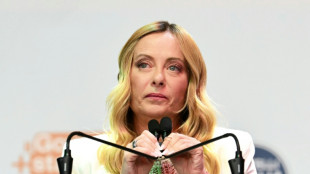 Italy bans burqas in schools, caps numbers of foreign students per class
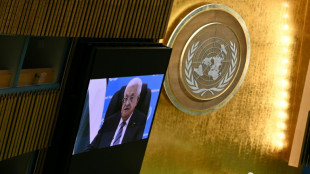 Israel policies threaten 'life and existence' of Palestinians, Abbas says
 Paolini steers Italy past China in BJK
 Zidane admits emotion on eve of first game as France coach
 Breetzke and Maharaj sink Australia in first one-day international
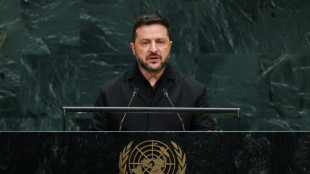 Zelensky broke confidentiality with North Korea POWs disclosure: South's president

 Former Liverpool star Carroll reveals he was sexually assaulted
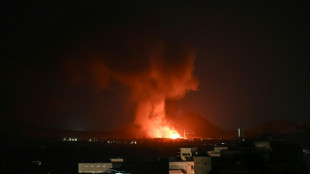
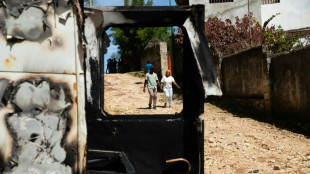 Dominican Republic calls for Haiti force to be strengthened
 Dolly Parton's nephew ordered to stay away from estate staff, properties

 Early exit for Philippine darling Eala at Singapore Open
 Hurricane Polo triggers huge waves in coastal Mexican city
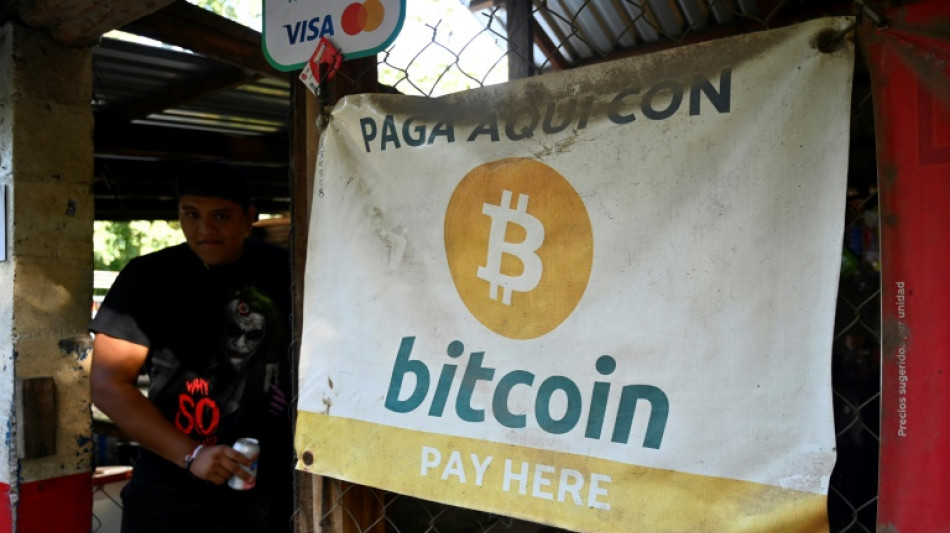
A year ago, El Salvador began accepting Bitcoin as legal tender following a controversial and much criticized decision by President Nayib Bukele.
All seemed rosy for the first few months as citizens enthusiastically embraced the new opportunity, but Bitcoin's value has plummeted since and some experts say the move has been a failure.
Maria Aguirre, 52, a shopkeeper in the El Zonte seaside resort that has been a major center for Bitcoin use, says things were going well last year as Bitcoin's value rose from $52,660 at opening on September 7, 2021, to briefly over $68,000 a couple of months later.
"But over the last five months it's been only falling," said Aguirre, who continues to accept Bitcoin transactions.
Bitcoin has dipped under $20,000 for most of this September.
In El Zonte, around 60 kilometers southwest of capital San Salvador, Bitcoin was already being used before Bukele's move, which was designed to encourage a population where only 35 percent of people owned an account at a financial institution in 2021, according to the World Bank.
El Salvador became the first country to accept Bitcoin as legal tender, alongside the US dollar that has been the official currency for two decades.
The government even created the Chivo electronic wallet and granted each user the equivalent of $30.
By January, the application had been downloaded four million times, according to Bukele -- an impressive amount in a country of 6.6 million, although with a diaspora of three million living mostly in the United States.
Bukele's idea was to ensure that remittances, which make up 28 percent of El Salvador's GDP, be sent by Chivo meaning less money lost in commission to exchange agencies.
However, former central bank president Carlos Acevedo says the body's records show that "less than two percent of remittances are arriving through digital wallets, which means that this hasn't been a benefit either."
University student Carmen Majia, 22, said she used Bitcoin in the beginning "but given how things are going, now I don't trust it and I uninstalled the application."
- Volatility -
When Bukele's plan was launched, Aguirre had already been using Bitcoin for eight months in the Pacific seaside resort that is popular with surfers.
After Bitcoin shot up in value between September and November 2021, Bukele announced a plan to build Bitcoin City -- a tax haven for cryptocurrencies and blockchain technology on the Gulf of Fonseca that would be powered by geothermal energy from the Conchagua volcano.
To build it, Bukele was going to issue $1 billion in Bitcoin bonds but those plans were delayed by the volatile cryptocurrency market that saw some less robust currencies crash and Bitcoin take a huge hit.
According to the credit rating company Moody's, Bukele's plan has cost El Salvador $375 million.
Taking advantage of the drop in value, Bukele bought 80 Bitcoins at $19,000 each in July, taking El Salvador's total holdings to 2,381 units of the cryptocurrency, all bought over the last year.
In June he told compatriots to "stop looking at the graph" insisting that Bitcoin is a secure investment that will bounce back up.
"Patience is the key," he said.
- Little enthusiasm -
But Acevedo insists that the use of Bitcoin "really has not worked" and that "so far it has really been a failed bet."
But not a total failure "because it could recover and get out of this crypto winter."
Acevedo says Bitcoin has not produced Bukele's stated aim of "financial inclusion" and its fall in value has "psychologically influenced people who do not view it with enthusiasm."
The adoption of Bitcoin has also complicated El Salvador's attempts to secure a $1.3 billion loan from the International Monetary Fund, which had urged against the move.
Faced with a warning that the country could default over its public debt that has surpassed 80 percent of GDP, Bukele announced in June a plan to buy back bonds due to expire in 2023 and 2025.
He insists the country has the cash to do so.
That reduced the country's risk from 35 percent to 25 percent but Acevedo says El Salvador will not be able to return to the debt markets until that figure comes down to "at least five percent."
In El Zonte, Cheetara Hasbún, a hotel employee, still thinks Bitcoin is a "good payment" method and just "needs more time, as was given to the dollar."
K.Brown--BTB