-
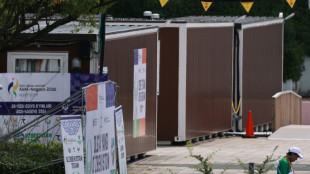 Thailand slams chaotic Asian Games organisation as 'musical chairs'
-
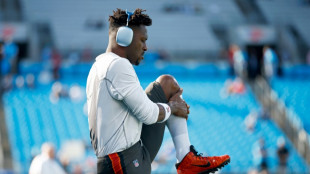
Ex-NFL star Brown to take plea deal in shooting case: lawyer
-
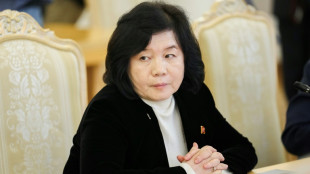 North Korea to keep nuclear weapons 'forever': foreign minister
-
Malaysia's migrant return plan chills Myanmar Rohingya
-
 Markets mixed as China's Xi arrives for US talks
-
Pakistan confirms Afghan strikes after resident says Kandahar hit
-
 Swiss voters expected to shun stricter neutrality
-
Thousands missing, aid needs mount one month after Nepal's deadly floods

-
 Rapper-turned-PM faces first big test after Nepal disaster
-
Nepal flood victims look to PM Shah to press climate case at UN

-
 Tuchel seeks tonic to England World Cup 'scar' in Spain showdown
-
Trump admin says there were 8 suicide attempts on US aircraft carrier

-
 'Helps me cope': Catholic baptisms rise among French youth
-
Iranian satire 'Head to Head' draws a veil over the men

-
 Colombians in Santa Marta stay inside after violence wracks the city
-
Archaeological 'breakthrough' could confirm origins of Paris

-
 Iran airlines cancel flights as US sanctions hit
-
Morocco elects new parliament with lowest turnout in nearly two decades
-
 Meta launches camera-free AI glasses amid privacy pushback
-
North Korean IT contractor found remote work in New Zealand: agency
-
 Australian PM says OpenAI hacked government health website
-
Anthropic touts AI-led biology discovery

-
 Xi arrives in US to personal Trump welcome
-
Giants QB Dart to have season-ending surgery
-
 Morocco elects new parliament amid social frustration, youth discontent
-
Venezuelan shot by ICE needs urgent surgery, mother tells AFP
-
 Scheffler and Burns to face Im and Lee in Presidents Cup opener
-
Giants QB Dart to have season-ending surgery: reports
-
 Crushing wins for Lyon and Barca in women's Champions League
-
Judge urged to lift Trump's White House ban on media outlets
-
 Rio breaks record for rainiest September amid powerful El Nino
-
Stocks fall on soaring bond yields, higher oil prices
-
 At UN, tech chiefs urge caution in AI development
-
US judge weighing Trump's White House ban on media outlets
-
 Russian strikes kill seven in Ukraine, Zelensky vows winter campaign
-
At UN, OpenAI's Altman calls 'for extreme care' in AI
-
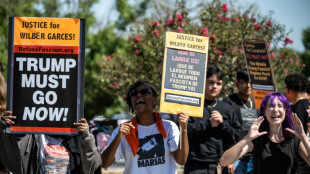 Venezuelan shot by ICE needs urgent medical care, mother tells AFP
-
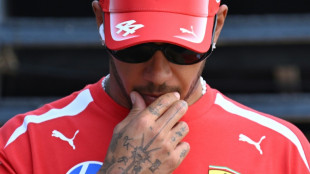
Hamilton gives thumbs up to Gulf GPs despite Iran conflict
-
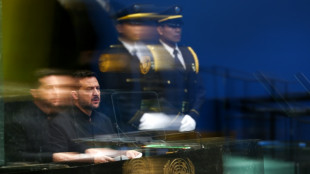 Zelensky says Putin using fighters from 47 countries in Ukraine war
-
Leclerc admits going 'too far' in Hamilton shunt in Italy

-
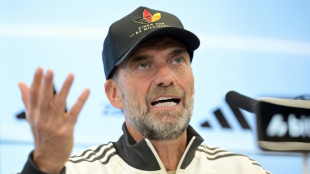 Klopp calls on Germany to 'rise above ourselves' as new era begins
-
Row engulfs Dolly Parton's estate as manager accuses nephew of making threats

-
 Russian strikes kill seven in Ukraine as Russia vows no 'pause' to war
-
Mandela Digital Extends Early Access Programme to 11 February 2027 Following Strong Response

-
 ArcPoint Expands Globally with Institutional Intelligence Platform for Modern Investors
-
US seeks 11th Presidents Cup win in a row over global foes
-
 Ronaldo focussing on 'present' ahead of Wales test
-
McDonald's to boost franchisees as inflation weighs on consumers

-
 Outgoing UN chief makes final climate push at New York summit
-
Trump invites Putin to G20 summit in Miami
UK PM announces ban on social media for under-16s
British Prime Minister Keir Starmer on Monday announced a forthcoming total ban on social media for children under 16, saying that such platforms are "making children unhappy".
Starmer said that the government "will ban access to social media for all children under the age of 16", warning that these platforms are "exposing them to content that is dangerous" and "designed to be addictive".
The government said the ban will "include platforms like Snapchat, TikTok, YouTube, Instagram, Facebook and X" but not messaging services such as WhatsApp.
He added he hoped to pass the regulation by late December and for the ban to come into force in spring next year.
The prime minister also said the government would go further and take "world-leading action on gaming services and live streaming platforms".
The government said in a statement it would also be considering overnight curfews and breaks in infinite scrolling for under 18s, and would announce more detail in July.
Starmer said the upcoming ban was influenced by the experience of Australia, which in December became the first nation to ban people under 16 from social media.
The announcement follows a government-led consultation where British teenagers trialled social media bans and time limits on apps.
A spokesperson for YouTube responded with a warning that such a blanket ban would push children towards "less safe services".
Starmer said that the government was "taking action" on gaming services and live streaming platforms that allow strangers to contact children.
"Is there a situation in the offline world where you would just let your child pair up with a stranger? An adult that you don't know about? No. So we're taking action on that," he said, without giving details.
Canada's culture minister last week introduced legislation that would ban children under 16 from having social media accounts and require AI chatbot services to limit production of harmful content.
The proposed Digital Safety Act makes Canada the latest in a number of countries cracking down on social media platforms over concerns of harm to children.
Indonesia began enforcing its own social media ban for users under the age of 16 in March, while several European governments have announced their desire to make similar moves.
- 'Moral responsibility' -
The UK government's consultation on the issue, which closed in late May, attracted about 116,000 contributions, making it the second-largest response ever received.
Over 83 percent of parents who responded said the risks posed by social media outweighed the benefits for children, with 91 percent backing a minimum age of 16.
The UK announcement comes a week after the government said tech giants must stop children in Britain from being able to send and receive nude images on their devices.
Britain's interior ministry said it was giving companies including Apple and Google three months to introduce safety features to block children from taking and accessing naked photos on phones and tablets.
If they failed to do so, the government would introduce legislation forcing them to activate the technology, it warned.
Starmer's centre-left Labour government said technology companies had a "moral responsibility" to "protect children from coercion, abuse and sextortion".
A law change would stop children from being able to access pornography, while also making it more difficult for child abusers to target children, it said.
According to analysis by the Internet Watch Foundation charity cited by the government, 91 percent of online child sexual abuse reports recorded in 2024 contained self-generated content from children themselves.
R.Buehler--VB