UAE pulls out of OPEC oil cartels citing 'national interests' / Photo: © AFP/File

 Wellalage and Mendis star as Sri Lanka level England ODI series
 Guyana urges Venezuela at UN to respect ICJ's ruling on Essequibo region

 Argentina coach says Messi deserves to go out on own terms
 Xi sets red lines for Trump despite lavish White House welcome
 Cowboys, Ravens happy with footing for first Rio NFL clash
 Starbucks to close 250 more cafes in North America

 French actress Marina Vlady dies at 88

 CNN, MS NOW, Politico allowed back in White House after judge's order
 Morocco's ruling coalition dominates low-turnout parliament election
 Napoli hoping to build new stadium, says owner

 What's behind the Pakistani strikes on Afghanistan?
 Hundreds protest for return of Nobel peace laureate Machado to Venezuela
 Aubameyang to miss two months for Deportivo after knee surgery

 Newsom says Trump presidency 'as we know it' ends in November
 Stocks fall as oil prices rise and bonds back under pressure
 Russell leads Mercedes 1-2 in Azerbaijan GP practice

 Ukrainian kills priest, wounds four at Polish abbey

 Sri Lanka captain Mendis hits century in 321-6 against England
 Oscar-winner Cotillard fears being moved by AI actor
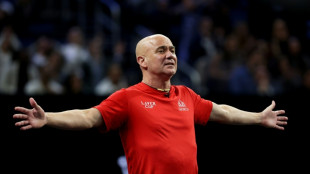 Agassi demands proper break for exhausted tennis stars

 Seixas 'crushes' teammates in training to draw Pogacar comparisons
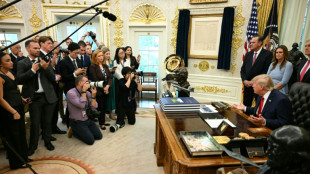
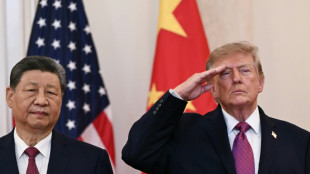
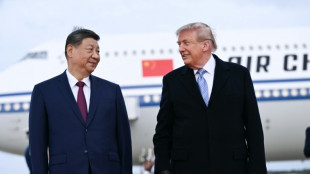 Trump welcomes Xi to White House, touting agreement on AI
 Stocks fall, oil prices rise as global bonds back under pressure
 UK man died putting women, children first in Mozambique jihadist siege: coroner
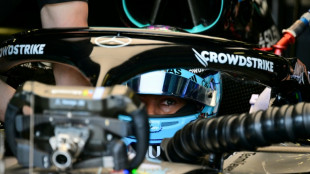 Russell leads Mercedes 1-2 at Azerbaijan GP practice
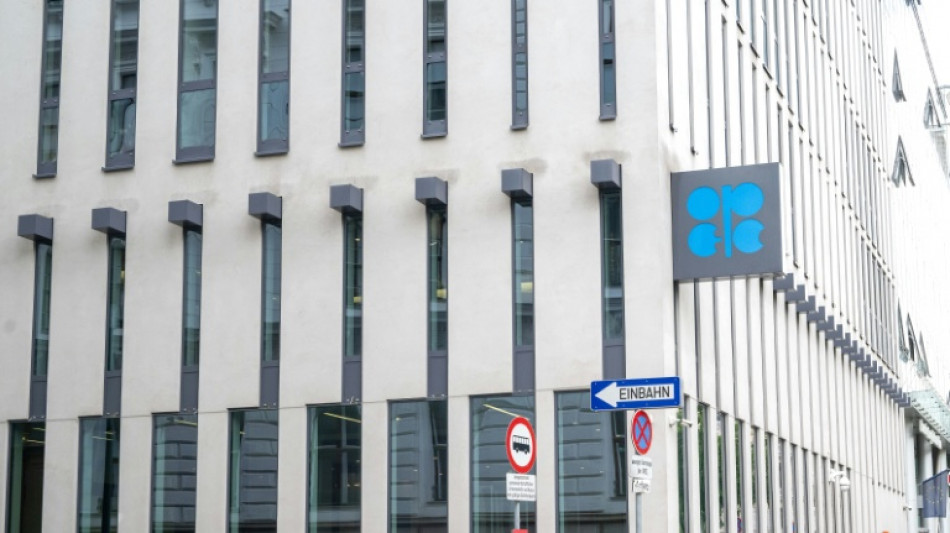
The United Arab Emirates will withdraw from the OPEC and OPEC+ oil cartels to focus on "national interests", it announced on Tuesday, causing fresh shockwaves as energy prices soar over the Middle East war.
The UAE, one of the world's top oil producers, which has previously chafed at OPEC production quotas, will pull out on Friday, a statement carried by the official WAM news agency said.
The UAE has been an OPEC member through the emirate of Abu Dhabi since 1967, four years before the former British protectorate became a country.
The last OPEC member to withdraw from the cartel was Angola in 2024.
"This decision reflects the UAE's long-term strategic and economic vision and evolving energy profile," the UAE statement said.
"During our time in the organisation, we made significant contributions and even greater sacrifices for the benefit of all," it added.
"However, the time has come to focus our efforts on what our national interest dictates."
The decision, in the midst of the biggest oil shock since the 1970s, is likely to weaken OPEC, dominated by the UAE's neighbour and rival Saudi Arabia, indicating further turbulence for markets, analysts said.
Gulf oil shipments are currently being strangled by Iran's blockade of the Strait of Hormuz, which flows past the UAE and normally carries one-fifth of the world's oil.
The UAE, hard-hit by Iranian attacks, has also faced trouble in its relationship with Saudi Arabia, the world's top oil exporter, after a stand-off between rival forces backed by the two countries in Yemen.
- 'More volatile oil market' -
Pre-war, the UAE was the fourth biggest producer in the 22-member OPEC+, behind Saudi Arabia, Russia and Iraq.
Jorge Leon, an analyst at Rystad Energy, said its withdrawal may not immediately impact oil markets while Hormuz shipments remain on hold.
But the UAE will now be free to raise production, "raising broader questions about the sustainability of Saudi Arabia's role as the market's central stabiliser -- and pointing to a potentially more volatile oil market as OPEC's capacity to smooth supply imbalances diminishes".
Jamie Ingram, managing editor for the Middle East Economic Survey, posted that OPEC is losing 13 percent of its production capacity with the UAE's departure, citing the International Energy Agency.
Founded in 1960, the 12-member OPEC cartel in 2016 partnered up with 10 other producers to form OPEC+ to gain more clout.
The Vienna-based group drew international attention in 1973, when it imposed an oil embargo against Israel's allies in the midst of the Yom Kippur War, triggering the first oil crisis.
Within just a few months, prices quadrupled, highlighting the cartel's dominance.
Faced with rising competitors in the 1980s, it introduced its famous quota system that enabled it to exert more control over the market.
This strategy meant the group fared relatively well during the 2008 financial crisis and the price shock in the wake of the Covid pandemic, despite increased internal tensions.
R.Kloeti--VB