
-
 Redmi Note 18 5G Battery Specs Leaked: Larger Capacity in Chinese Variant
-
Shomari Figures Defies Redistricting in Alabama Amid Disaster Relief Crisis

-
 COP31 Presidency Publishes First Draft Cover Decision on Climate Action
-
BYD Dolphin G Leasing Deal: Plug-in Hybrid Supermini Available from £174 a Month

-
 EU Club Group Files Antitrust Complaint Against UEFA Over Prize Money
-
Egypt Opens Registration for 2027 Total Solar Eclipse Viewing Packages

-
 Heat and El Niño Drive Surge in Preterm Births Across Southern Africa
-
French Economy Shrinks 0.1% as Consumer Confidence Slumps

-
 China's Factory Activity Contracts as Export Orders Weaken
-
Wall Street Ends Turbulent Week Higher Despite Inflation and AI Jitters

-
 US Retail Sales and Fed Minutes Set Up a Critical Test for Consumers
-
Kansas City Fed Chief Says Inflation Is Still Running Too Hot

-
 Oil Heads for Second Weekly Loss as Supply Surplus Emerges
-
Asian Markets Slide as AI Concerns Hit Chip Stocks

-
 Brazil Faces Debt and Inflation Test as Lula Prepares Fourth Term
-
Tom Brady’s Viral Reaction to Deebo Samuel’s Trick-Play Touchdown

-
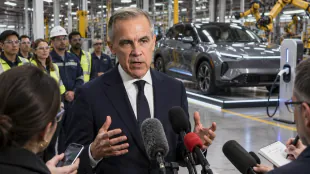 Canada Signals Openness to Chinese Automakers if US Trade Talks Fail
-
Canada Expands Asian Trade Push as US Negotiations Resume

-
 US Mortgage Rate Falls for Fourth Week but Remains Above 7%
-
US Jobless Claims Rise to 200,000 but Layoffs Remain Historically Low

-
 13 Native American-Owned Restaurants in Arizona to Experience Indigenous Culinary Traditions
-
Italy Raises 2026 Growth View but Warns Energy Will Keep Inflation High

-
 Best Digital Photo Frames 2026: Aura, Skylight, and Amazon Compared
-
Euro-Area Growth Slows to 0.4% While Employment Stalls

-
 UK Economy Grows 0.7% in Third Quarter as Services Lead Expansion
-
US Wholesale Inflation Eases Monthly but Hits a Four-Year Annual High

-
 India's Retail Inflation Reaches 6.09% as Food Prices Accelerate
-
India's Wholesale Inflation Jumps to 12.29% as Fuel Costs Surge

-
 China's October Activity Data Reveal a Weak Start to the Fourth Quarter
-
Japan's Economy Edges Into Contraction as Costly Oil Weighs on Demand

-
 South Korea Launches Probe into NewJeans Contract Controversy
-
Colin Farrell and Emma Fogarty on Friendship, Disability, and 'The Slightest Touch'

-
 Helen Rees Reflects on Four Decades of South Africa's HIV Journey
-
Knicks Coach Mike Brown Unfazed by Josh Hart's Offensive Struggles

Bank of England delivers biggest rate hike in 27 years
The Bank of England unleashed Thursday its biggest interest rate hike since 1995 as it forecast inflation topping 13 percent this year and warned of a looming year-long recession.
, and forecast inflation will top 13 percent this year, sparking a year-long recession in Britain.
The bank's Monetary Policy Committee voted 8-1 in favour of lifting its key interest rate by 0.50 percentage points to 1.75 percent.
The increase tallied with expectations and took borrowing costs to the highest level since December 2008.
The move also mirrors aggressive monetary policy from the US Federal Reserve and the European Central Bank last month, as the world races to cool red-hot inflation that has been fuelled by Russia's invasion of Ukraine.
It also ramps up loan repayments for UK consumers and businesses, who are already facing a squeeze from a worsening cost of living crisis.
- Inflation 'intensifying' -
UK inflation is set to peak at 13 percent, or the highest level in more than 42 years, according to the BoE.
"Inflationary pressures in the United Kingdom and the rest of Europe have intensified significantly" since May, read a statement after the decision.
"That largely reflects a near doubling in wholesale gas prices since May, owing to Russia's restriction of gas supplies to Europe and the risk of further curbs.
"As this feeds through to retail energy prices, it will exacerbate the fall in real incomes for UK households and further increase UK CPI inflation in the near term."
In more grim news, the BoE predicted the UK economy would enter a painful recession that will last until late 2023.
"GDP growth in the United Kingdom is slowing," the BoE said.
"The latest rise in gas prices has led to another significant deterioration in the outlook for activity in the United Kingdom and the rest of Europe.
"The United Kingdom is now projected to enter recession from the fourth quarter of this year."
However, the recession will be shallower than the 2008 crash that was sparked by the global financial crisis.
The UK economy is expected to shrink by up to 2.1 percent in size from its highest point, according to the central bank's forecast.
UK inflation had already jumped to a four-decade high of 9.4 percent in June, deepening the cost-of-living crisis as workers' wages fail to keep pace.
Global inflation is surging as energy prices continue to rocket on key gas and oil producer Russia's war on neighbouring Ukraine.
Consumer prices have also rocketed on supply-chain strains as demand rebounds on the easing of Covid restrictions.
That has forced central banks to raise interest rates, risking the prospect of recession as higher borrowing costs hurt businesses and consumers.
- 'Challenging winter ahead' -
Inflation is also running at a 40-year peak of 9.1 percent in the United States, and a record high of 8.6 percent in the eurozone.
The Fed in July delivered its second straight 0.75-percentage-point increase, in what economists have called the most aggressive Fed tightening cycle since the 1980s.
The European Central Bank then surprised markets last month with a bigger-than-expected 0.50-percentage-point hike, bringing an end to the era of negative interest rates in the eurozone.
Policymakers are anxious to quell inflation before it becomes dangerously entrenched -- and sparks a prolonged economic downturn.
Added to the picture in Britain, energy regulator Ofgem is due to ramp up domestic electricity and gas prices again in October, ahead of the colder northern hemisphere winter.
That could take the average UK household energy bill well above £3,000 ($3,600) per year.
Ofgem warned Thursday that Britons face a "very challenging winter ahead", adding its so-called energy price cap will now be reviewed every quarter instead of every six months.
B.Shevchenko--BTB
