
Don't let inflation 'genie' out of the bottle: IMF economist / Photo: © AFP

 Central Bank of Malta Links Energy Subsidies to Middle East Conflict and Price Volatility

 Shomari Figures Defies Redistricting in Alabama Amid Disaster Relief Crisis

 BYD Dolphin G Leasing Deal: Plug-in Hybrid Supermini Available from £174 a Month

 Egypt Opens Registration for 2027 Total Solar Eclipse Viewing Packages

 French Economy Shrinks 0.1% as Consumer Confidence Slumps

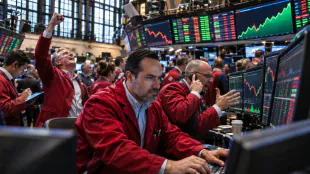 Wall Street Ends Turbulent Week Higher Despite Inflation and AI Jitters

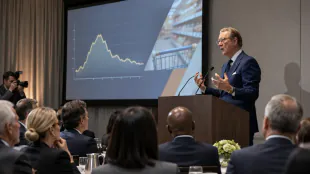 Kansas City Fed Chief Says Inflation Is Still Running Too Hot

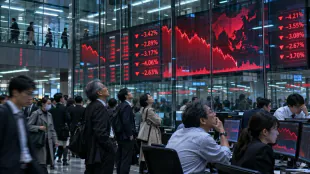 Asian Markets Slide as AI Concerns Hit Chip Stocks

 Tom Brady’s Viral Reaction to Deebo Samuel’s Trick-Play Touchdown
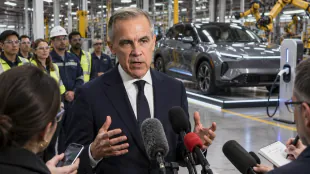
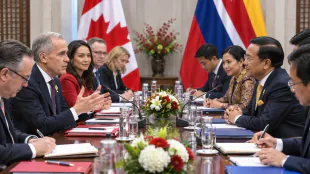 Canada Expands Asian Trade Push as US Negotiations Resume

 US Jobless Claims Rise to 200,000 but Layoffs Remain Historically Low

 Italy Raises 2026 Growth View but Warns Energy Will Keep Inflation High

 Euro-Area Growth Slows to 0.4% While Employment Stalls

 US Wholesale Inflation Eases Monthly but Hits a Four-Year Annual High

 India's Wholesale Inflation Jumps to 12.29% as Fuel Costs Surge

 Japan's Economy Edges Into Contraction as Costly Oil Weighs on Demand

 Colin Farrell and Emma Fogarty on Friendship, Disability, and 'The Slightest Touch'
The global economy is facing a worrisome slowdown, but the critical priority for policymakers is to bring raging inflation under control, the IMF's chief economist said Tuesday.
With price surges in major economies approaching 10 percent, central banks must stay the course and continue to raise interest rates until inflation retreats, Pierre-Olivier Gourinchas told AFP in an interview.
The International Monetary Fund's updated World Economic Outlook offered a gloomy picture of the global economy, which is slowing sharply and faced with a series of risks that could push it into recession.
Soaring prices for food and fuel, exacerbated by the war in Ukraine, have been squeezing family budgets worldwide, and even leading to unrest in some countries.
Aggressive moves by central bankers, including the US Federal Reserve and European Central Bank, are aimed at taming those price pressures, but will also slow the economy.
However, Gourinchas warned that allowing inflation to get out of control is "like (letting) the genie out of the bottle."
- Risk of doing too much -
If people come to expect inflation will remain high, "this will be a world in which central banks have lost the plot. And it will be very, very difficult to walk that back."
But fortunately, "we're not there" yet, he said.
So far, "inflation expectations have remained quite stable. And this is one of the great benefits of having had decades of low inflation environment and credibility by central banks."
He acknowledged that there is a risk policymakers will do too much and slam the brakes on growth, but so far they are on the right track.
"The point is not to inflict a recession on the global economy," he said. "The point is to bring back price stability."
The goal is to bring inflation back down close to two percent for advanced economies, maybe a bit more for emerging market economies, and even if rate hikes go too far and slow growth, that would mean more rapid price declines, Gourinchas said.
- Signs of hope -
Some of the primary risks facing the global economy are beyond the control of policymakers, including the potential for Russia to shut off gas supplies to Europe.
But despite the very real possibility that the worst-case scenario comes to pass, Gourinchas nevertheless sees some signs of hope.
Oil prices, which skyrocketed to nearly $129 a barrel in March, have been easing in recent weeks due to the expectations of a global economic slowdown, and were back to below $105 on Tuesday for Brent, the European benchmark.
There have been "synchronized" moves by central banks around the world, including emerging markets, so "we could see a much faster disinflation path if the energy prices are to continue on that trend," he said.
And policymakers in emerging market economies have so far reacted well, allowing their currencies to adjust.
"Their policy frameworks have improved over the years," he said.
E.Schubert--BTB