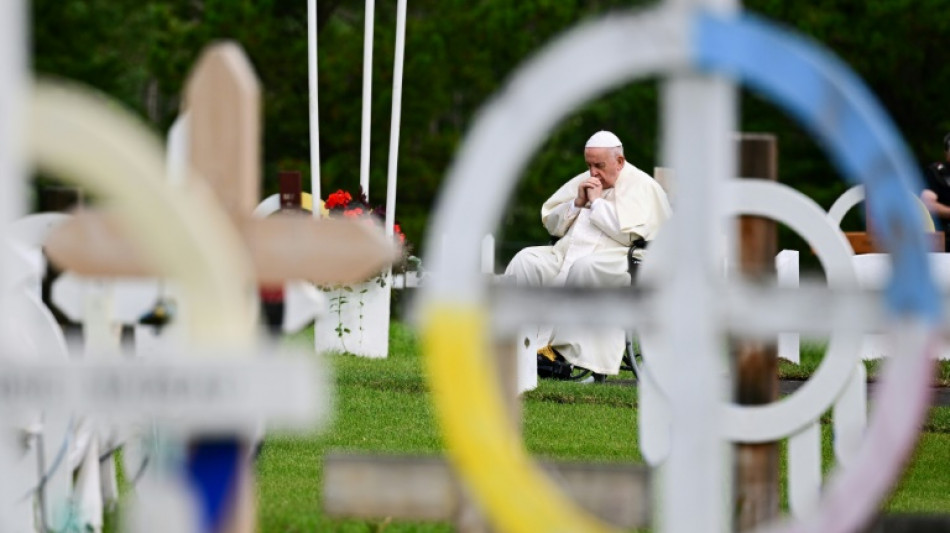
'Overwhelming': Survivors reflect on pope's Indigenous abuse apology / Photo: © AFP

 5 Strategies for Fort Worth Households to Reduce Summer Electricity Costs

 Central Bank of Malta Links Energy Subsidies to Middle East Conflict and Price Volatility

 Shomari Figures Defies Redistricting in Alabama Amid Disaster Relief Crisis

 BYD Dolphin G Leasing Deal: Plug-in Hybrid Supermini Available from £174 a Month

 Egypt Opens Registration for 2027 Total Solar Eclipse Viewing Packages

 French Economy Shrinks 0.1% as Consumer Confidence Slumps

 Wall Street Ends Turbulent Week Higher Despite Inflation and AI Jitters
 Kansas City Fed Chief Says Inflation Is Still Running Too Hot

 Asian Markets Slide as AI Concerns Hit Chip Stocks
 Tom Brady’s Viral Reaction to Deebo Samuel’s Trick-Play Touchdown

 Canada Expands Asian Trade Push as US Negotiations Resume

 US Jobless Claims Rise to 200,000 but Layoffs Remain Historically Low

 Italy Raises 2026 Growth View but Warns Energy Will Keep Inflation High
 Euro-Area Growth Slows to 0.4% While Employment Stalls
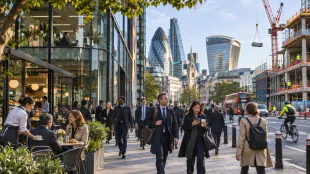
 US Wholesale Inflation Eases Monthly but Hits a Four-Year Annual High
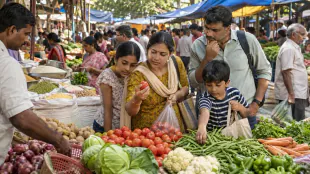
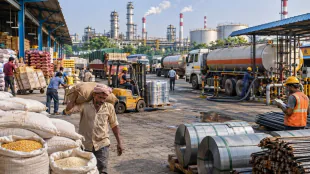 India's Wholesale Inflation Jumps to 12.29% as Fuel Costs Surge
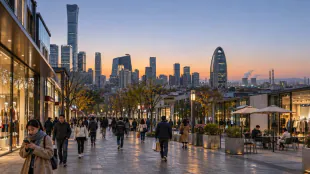
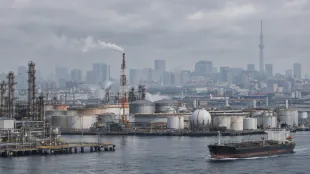 Japan's Economy Edges Into Contraction as Costly Oil Weighs on Demand
Some seemed far away, others wept or applauded: a great wave of emotion swept through the crowd on Monday in western Canada's Maskwacis when the pope himself begged forgiveness for the "evil" done to Indigenous people.
One way or another, they had all been affected by the decades of abuse against children in schools run by the Catholic Church, part of a system seeking to stamp out the Indigenous identity of tens of thousands of people.
Most of them had been hoping for this for a long time. "I waited 50 years for this apology," said one former student, Evelyn Korkmaz. "And finally today I heard it."
"I am sorry," the 85-year-old pontiff told the crowd, many wearing traditional clothing. "I humbly beg forgiveness for the evil committed by so many Christians against the Indigenous peoples."
He evoked the "physical, verbal, psychological and spiritual abuse" of children over the course of decades.
Shortly after his speech, one of the chiefs gave him a traditional headdress -- then suddenly a woman stood up to sing the Canadian anthem alone in Cree. A tear rolled down her weathered face.
"Words cannot describe how important today is for the healing journey," said Vernon Saddleback, one of the chiefs of the Maskwacis reservation, where the pope made his first stop on a tour of Canada dedicated to its First Nations, Metis and Inuit people.
Shortly before, a long red banner had woven through the crowd as they waited for the pope's arrival.
On the scarlet fabric: 4,120 children's names written in white.
These are just some of the thousands of children who died after they were forced to attend the schools, and who were often buried nearby in unmarked graves and without their parents having been informed.
Many died of diseases such as tuberculosis, pneumonia, or by accident, but also because of abuse and neglect, and poor sanitary conditions.
The system is believed to have caused at least 6,000 deaths between the end of the 19th century and the 1990s and traumatized several generations.
- '751' -
Irene Liening Muskowekwan, who spent eight years in a residential school and who came to Maskwacis with her children from the neighboring province of British Columbia, hoped that survivors and their families can "find peace and healing."
She gave vivid illustration of the intergenerational trauma that such abuse can inflict.
Beginning a story about her aunt, who died aged five or six in one of the schools, she stopped, admitting it was too painful.
But later she returned to the topic, describing how her aunt was killed after being thrown down the stairs by a nun. Her name was on the red banner, she said.
Her own children, whom she brought to the ceremony, had also suffered "because of what I put them through, you know, coming out of a residential school feeling so... like I'm not even a person."
As a small child in the school, she admitted, she had not even known her own name. "I was known as number 751."
In the end, many confessed to feeling disoriented by the day's emotions.
Korkmaz spent four years in a residential school.
The day had been "overwhelming," she said. "It's been a very emotional day for me as a survivor. I had my ups and downs."
She added that she was "glad I lived long enough to have witnessed his apology."
Many of her relatives, friends, classmates and members of her community did not -- they had died by suicide or addiction, fallouts from the abuse, she said.
"They belong here in Canada. They belong to us. This is our history. They don't belong in Rome. They belong here," she said.
O.Krause--BTB