US to zero out tariffs on UK pharma under trade deal / Photo: © AFP

 Venezuela releases more political prisoners after opposition talks

 England's best 'for a long time' despite Spain defeat, says Kane
 Powerful storm pummels northeast US with rain, high winds

 Filmmaker Mike Leigh wins top prize at Spain festival with 'last film'

 Spain beat England in Nations League to extend unbeaten run

 Ireland squad vote to play Israel tie despite Gaza unease
 Gutsy Vollering wins cycling road race world title
 Vollering wins cycling road race world title
 Man City's meteoric rise clouded by dark shadow
 Mbappe out for two weeks or more with knee injury say Real
 Lyon collapse away to Stade and suffer first Top 14 loss
 Russia accuses Europe of seeking to thwart Ukraine talks
 Man City chairman defiant over reported Premier League charges
 Germany ready to 'walk through fire' for Klopp, says Tah
 At least 16 killed in Russian and Ukrainian strikes
 Powerful storm pummels US Northeast

 Bangkok declares disaster after homes flooded, roads submerged by heavy rain
 Norris calls for errant Colapinto to be banned for causing Baku crash

 Russell finds himself again and prepares to heap pressure on Antonelli
 South Korea hold nerve to win Asian Games basketball gold

 Russell holds off Verstappen to claim imperious victory in Baku
 Russell holds off Verstappen to win Azerbaijan Grand Prix
 India's Kohli says 2027 ODI World Cup will be his last
 Huge crowds cheer Pope Leo along Champs-Elysees ahead of Paris mass
 Putellas wants to bring 'winning culture and mentality' to London City
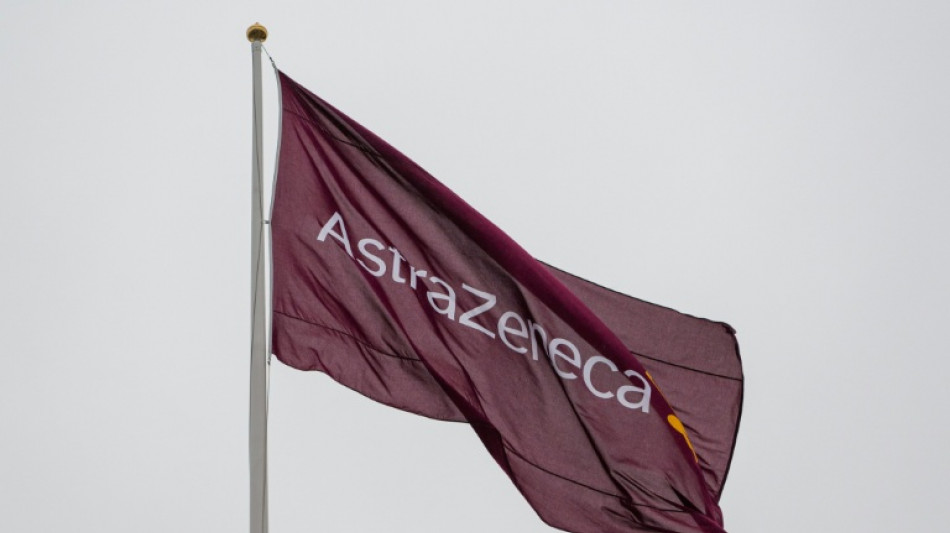
The United States on Monday exempted British pharmaceuticals from import tariffs under a unique deal which sees the UK increase spending on American drugs by 25 percent.
The accord aims to "address long-standing imbalances in US-UK pharmaceutical trade," ending what US trade ambassador Jamieson Greer called an arrangement where "American patients have been forced to subsidise prescription drugs and biologics in other developed countries."
Under the deal struck between the administrations of US President Donald Trump and British Prime Minister Keir Starmer, Britain's publicly-funded National Health Service (NHS) will increase its prices for new US treatments by 25 percent.
The agreement means Britain will be exempted from hefty US tariffs imposed on pharma imports that entered force on October 1. It is the only country to reach such a deal.
The lofty price of medications has been a major political issue in the United States for years, with a Rand Corporation study showing Americans paid 2.5 times as much for pharmaceuticals as in France.
Prior to Monday's announcement, the Trump administration had announced tariffs of 100 percent on branded pharmaceuticals.
At the same time, the White House delayed the tariffs for three years with Pfizer and British group AstraZeneca after both agreed to invest in US manufacturing capacity.
British Science and Technology Secretary Liz Kendall said the latest deal will "ensure UK patients get the cutting-edge medicines they need sooner," while also enabling "life sciences companies to continue to invest and innovate right here in the UK."
- Deals elsewhere -
The Trump administration said it "is reviewing the pharmaceutical pricing practices of many other US trading partners and hopes that they will follow suit with constructive negotiations".
As it stands, the European Union and Switzerland face pharma tariffs totalling 15 percent.
AstraZeneca in July announced plans to invest $50 billion by 2030 on boosting its US manufacturing and research operations.
Around the same time, British rival GSK revealed it planned to invest $30 billion in the United States over the next five years.
The UK government on Monday said it will "invest around 25 percent more in innovative, safe, and effective treatments -- the first major increase in over two decades."
It meant the NHS "will be able to approve medicines that deliver significant health improvements but might have previously been declined purely on cost-effectiveness grounds."
AstraZeneca and Merck recently axed plans for sizeable infrastructure investment in Britain, with the US pharma group citing UK drugs prices as a major reason for its U-turn.
Critics argue high taxes and a lack of British government subsidies and investment are hindering foreign investment across various sectors.
S.Leonhard--VB