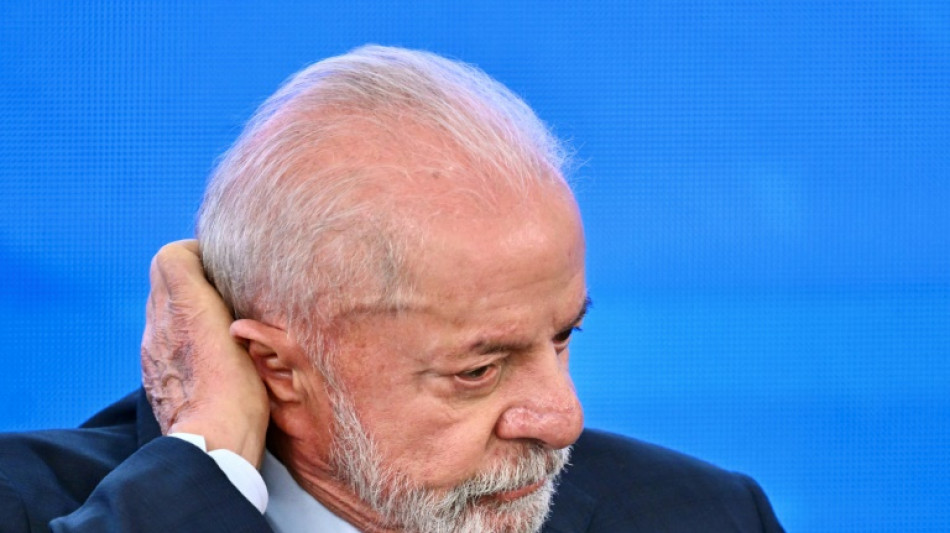
How might Trump's tariffs hurt Brazil? / Photo: © AFP

 South Korea volleyball team latest to be bussed to wrong Games venue

 Malaysia starts sending Myanmar migrants home
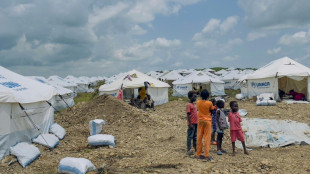 8.3 mn refugees at risk due to 'severe' funding cuts: UN

 Stocks drop and oil rises as Hormuz hopes fade
 OpenAI cancels release of newest model due to safety concerns

 AI bosses head to White House as safety pressure builds

 Batista sacked as Costa Rica coach after six months
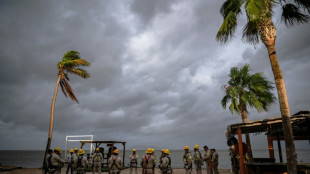 Flooding, power cuts and evacuations as Hurricane Polo slams Mexico

 Dodgers eye three-peat, Red Sox face Yankees as MLB playoffs begin
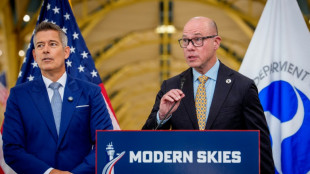 Certification of Boeing 737 MAX delayed by software bug

 Celine Dion wows Paris Fashion Week with surprise gig
 AMD buys firm founded by AI 'godmother' Fei-Fei Li
 Italy rebound in Turkey as France win late in Belgium

 Pope says concerns about AI 'should be taken seriously'
 Hurricanes to hoist title banner as NHL season begins
 Justice Alito steps aside from major US climate case

 Willis happy with England exile after retains Top 14 player award

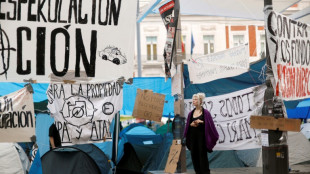
 Spain housing protests keep heat on government as PM seeks new law

 Wissa spoils Zimbabwe homecoming as DR Congo win AFCON qualifier

 UK police release on bail five men held over airbase incident

 Ex-All Black Plummer 'sure' New Zealand will find Super Rugby solution

 Shein sees 1% revenue growth in first half of 2026
 Netherlands regrets Israel retaliation in settlements row
 Moscow seizes Russian assets of German food retailer Metro
 Bulgarian spirits inflamed by new rakia rules

With Donald Trump's punitive tariffs against Brazil poised to take effect within days, Latin America's largest economy is bracing for a virtual embargo on its planes, grains, and crude oil.
The mercurial US president has penciled in 50 percent tariffs on Brazilian goods starting August 1, swatting aside centuries-old ties and a US trade surplus which Brasilia put at $284 million in 2024.
Trump has not attempted to hide the political motivation behind the sanctions -- citing a judical "witch hunt" against his right-wing ally, ex-president Jair Bolsonaro.
The former artillery officer is on trial, accused of plotting a coup after losing re-election in 2022 to now-President Luiz Inacio Lula da Silva.
While Brazil's seasoned trade diplomats rush to avoid a damaging trade war that would hurt the country's already slow-growing economy, key sectors are bracing for impact.
- Who will feel the pain? -
Brazil is the world's largest exporter of beef, chicken, soybeans, corn, coffee, sugar and orange juice.
Its main exports to the United States are crude oil, semi-finished iron and steel products, coffee and aircraft.
The agriculture sector alone is projecting losses of $5.8 billion, according to the Confederation of Agriculture and Livestock.
Other sectors, such as aeronautics, fisheries and defense, allocate more than half of their exports to the US market and may suffer "an impact on jobs," according to economist Felipe Salto, former secretary of finance of Sao Paulo state.
In the aeronautics sector, the tariff hike is "almost an embargo" and may lead to a "workforce adjustment similar to the Covid-19 pandemic," according to Francisco Gomes Neto, CEO of Brazil's Embraer, the world's third-largest aircraft manufacturer.
- When will the impact be felt? -
Trump has become notorious for changing his mind on tariff rates, for stalling deadlines, and for claiming epic deals that fail to materialize. He may yet change his mind again.
But in Brazil, the impact of his threats is already being felt.
There is a preventive suspension of shipments of meat, fruit, fish, and grains, according to industry sources.
About 77,000 tons of fruit are sitting in containers awaiting a diplomatic resolution before they spoil, according to the Brazilian Association of Fruit Export Producers.
New shipments of beef to the United States are "under analysis" as they would only arrive after August 1, the powerful Brazilian Beef Association said.
- Making a deal? -
The political nature of the spat seems to make a last-minute deal less likely. Brazil has insisted the case against Bolsonaro will go ahead unless prosecutors decide otherwise.
Trump "doesn't want to talk," leftist Lula lamented recently, reiterating that his Plan A is to continue "negotiating."
Lula has tasked Vice President Geraldo Alckmin with reaching out to the White House.
But a Brazilian negotiating proposal sent in May has received no response, according to Brasilia.
Ricardo Alban, president of the National Confederation of Industry, believes Brazil will continue trying to negotiate as long as possible.
Its "largest bilateral trade relationship in manufactured products is with the United States," he said.
- Damage control? -
As a Plan B, Lula's government is already considering offering credit lines for tariff-hit companies.
In the longer term, Brazil is trying to "restructure" its trade ties with countries beyond the United States, top government official Rui Costa said recently.
The European Union, Mexico, and Canada are all potential partners.
When it comes to increasing exports to China, economists see a more difficult path for some sectors.
"It's easier to redirect oil or coffee production to other countries than aircraft parts," said Marcos Mendes of the Insper research center.
"Highly specialized sectors will suffer more," he explained.
Lula promised to apply "reciprocity" if Trump's tariff threat materializes, measures that could deepen the economic impact on both economies.
R.Fischer--VB