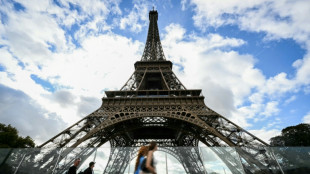
Italy forges on with world's largest suspension bridge / Photo: © AFP/File

 Brazil football clubs face massive sponsorship blow from betting ban
 ChatGPT maker wants to be the App Store for AI as safety concerns grow

 Women fight fires and sexism in Indonesian Borneo

 Forsling's OT blast lifts Florida over Carolina in NHL opener

 Hurricane Polo sweeps over Mexico's Pacific coast, heads inland
 Grynspan pulls ahead in race to lead UN: diplomat
 Trump touts AI boss pledge to self-regulate
 Oil down, but stocks lower as bond yields rise
 England break down stubborn Czechs to claim first Nations League win
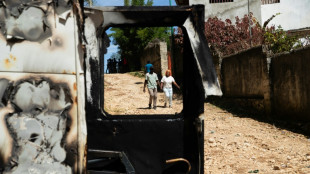 UN Security Council extends Haiti anti-gang force by 6 months
 Manchester City guilty of Premier League charges: What comes next?

 Man City chief Soriano slams Premier League 'conspiracy theory'
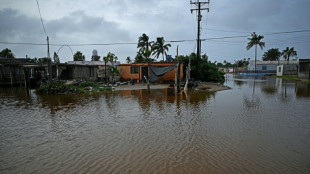 Hurricane Polo sweeps over Mexico's Pacific coast
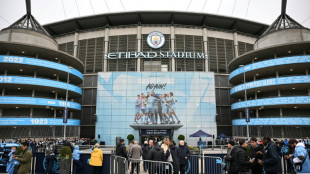 Man City must be relegated after guilty verdict says club's former chairman
 German far-right aims to lead Saxony-Anhalt govt in December
 Little damage as Hurricane Polo sweeps over Mexico's Pacific coast
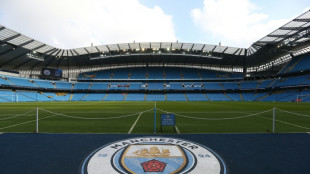 Manchester City guilty of breaking financial rules - Premier League
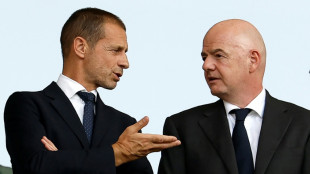 FIFA boss Infantino blasted as would-be 'emperor' by UEFA's Ceferin
 Stocks move lower despite oil prices dropping
 AI driving up innovation investment: UN

 UN Security Council extends Haiti mission by 6 months
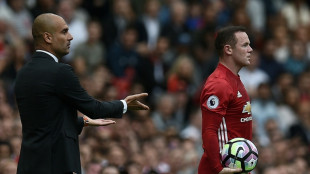 Man Utd do not deserve medals if Man City stripped of titles: Rooney

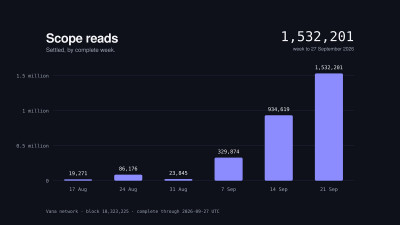 Vana Completes Expanded Staking as Part of the Vega Upgrade, Publishes Expanded VANA Token Economics
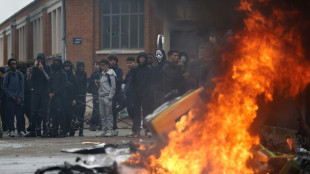
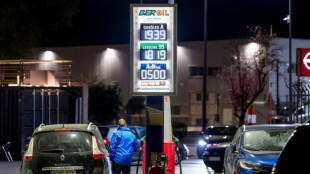 Spain to cap gas price hikes, extend fuel discounts
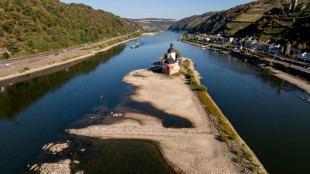 'We just need rain': Germany's Rhine river hits new low
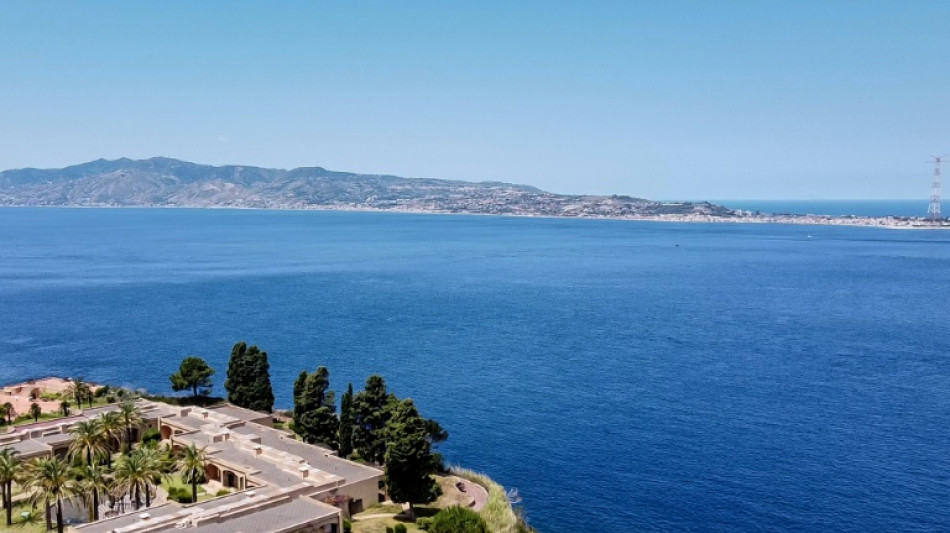
Italy hopes to begin constructing the world's largest suspension bridge connecting Sicily to the Italian mainland this summer amid widespread scepticism that it will ever be built.
The 13.5-billion-euro ($15.3-billion) project would carry trains and six lanes of traffic, allowing cars to cross the Strait of Messina in 15 minutes.
Giorgia Meloni's hard-right government hopes to boost the economy of the impoverished region, although critics say there are better ways to do this -- and many believe that after decades of false starts, the bridge will never actually happen.
The choppy waters between the eastern tip of Sicily and the western edge of the region of Calabria are legendary as the place where monsters Scylla and Charybdis terrified sailors in Homer's epic poem "The Odyssey".
These days the challenges are more prosaic, from winds of more than 100 kilometres an hour (62 mph) to the real risk of earthquakes in a region that lies across two tectonic plates.
The government says the bridge will be at the cutting edge of engineering, with the section suspended between its two pillars stretching 3.3 kilometres, the longest in the world.
But critics point to a long history of public works announced, financed and never completed in Italy, whether due to corruption or political instability, resulting in enormous losses for taxpayers.
"The public does not trust this political class and these projects that become endless construction sites," said Luigi Storniolo, a member of protest group No Ponte (No Bridge).
Infrastructure Minister and Deputy Prime Minister Matteo Salvini, one of the main champions of the project, insists it will be a game-changer for the local economy.
"The bridge will be a catalyst for development," he said on a recent visit to Reggio di Calabria, the city where the bridge will begin.
- 'A senseless project' -
The government hopes to boost trade in Sicily, which currently suffers from an "insularity cost" of around 6.5 billion euros a year, according to regional authorities.
Meloni's ministers are expected to give their final approval to the project -- which Rome will fund -- later this month, and Salvini insists construction will begin this summer.
But work had already been announced for the summer of 2024, before being postponed -- a common theme in the history of the bridge, the idea of which dates back to the unification of Italy at the end of the 19th century.
The first law for the project was passed in 1971. Since then, successive governments have either revived it or cancelled it.
In 2012, the idea appeared to be definitely abandoned amid the eurozone debt crisis, only for Meloni's government, which took office in 2022, to return to it once again.
Salvini has repeatedly stated that the bridge would create 120,000 jobs in Calabria and Sicily, which have the fourth and the 13th highest unemployment rates respectively in the EU for young people under 29.
However, the left-wing CGIL trade union estimates around 2,300 workers a year will be hired during the project, and critics say the jobs created will be offset by long-term losses from the closure of ferries.
- Mafia risk -
The project has sparked local protests, with critics warning of the impact on a protected marine zone and an important bird migratory route.
Storniolo told AFP it was a "senseless project" which used up valuable funds when "our regions already suffer from many problems... healthcare, schools, and infrastructure."
The Italian Court of Auditors has also criticised the extent of the debt-laden Italian state's investment in this one project in its assessment of the 2024 budget.
"They want to make an entire territory believe that its only hope is this bridge -- but then the bridge never arrives," protester Storniolo added.
There is also the question of mafia infiltration.
The attorney general of Messina recently warned of the risk that organised crime would benefit from the project, noting that "the power of the mafia is hidden... behind public contracts".
The government has proposed placing companies relating to the project under control of an anti-mafia structure reporting to the interior ministry.
But Italian President Sergio Mattarella blocked this, saying it should only be used for one-off events such as earthquakes or the Olympics.
Salvini argued that the bridge can help tackle the mafia, saying: "You do not fight the mafia... with conferences and protests, but by creating jobs and giving hope to young people."
T.Suter--VB