Developing nations face 'tidal wave' of China debt: report / Photo: © AFP/File

 Most equities rise after oil price plunge, US data in focus

 Polar oceans transformed as warming melts ice habitats: research

 Lost shark becomes viral star in South Korea
 Dangote to launch $16bn refinery in Kenya

 North Korean leader 'extremely obese': Seoul spy agency

 Yankees and pope-backed White Sox start MLB playoffs with wins

 Malaysia's ex-PM Mahathir in hospital for observation

 'No limits': Marathon world record holder Sawe chasing history

 Countdown begins to biggest-ever Rugby World Cup

 Bangladesh women lose ground after quota reform

 Vietnam admits 'differing opinions' on Hanoi development
 Stocks temper gains as oil pares heavy losses, US data in focus
 New Zealand denies breaching climate commitments to EU

 Albert becomes youngest US scorer in 4-2 win over Chile

 Pirate island's plunging population shows Greece's demographic decline
 With elections ahead, Latvia's Russian-speakers reject Moscow's help

 Brazil football clubs face massive sponsorship blow from betting ban
 ChatGPT maker wants to be the App Store for AI as safety concerns grow

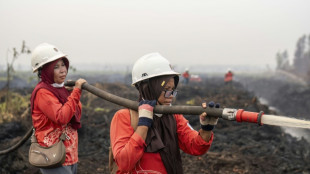 Women fight fires and sexism in Indonesian Borneo

 Forsling's OT blast lifts Florida over Carolina in NHL opener

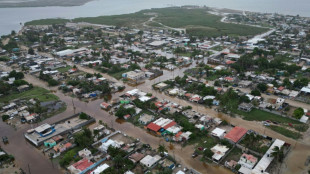 Hurricane Polo sweeps over Mexico's Pacific coast, heads inland

 Grynspan pulls ahead in race to lead UN: diplomat

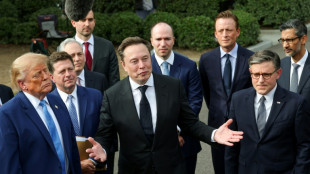 Trump touts AI boss pledge to self-regulate
 Oil down, but stocks lower as bond yields rise

 England break down stubborn Czechs to claim first Nations League win
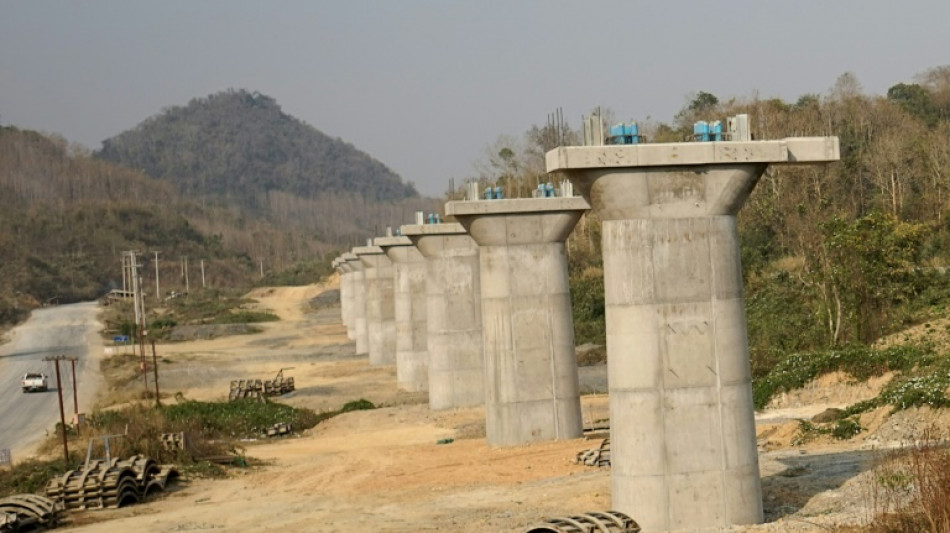
The world's poorest nations face a "tidal wave of debt" as repayments to China hit record highs in 2025, an Australian think tank warned Tuesday in a new report.
China's Belt and Road Initiative lending spree of the 2010s has paid for shipping ports, railways, roads and more from the deserts of Africa to the tropical South Pacific.
But new lending is drying up, according to Australia's Lowy Institute, and is now outweighed by the debts that developing countries must pay back.
"Developing countries are grappling with a tidal wave of debt repayments and interest costs to China," researcher Riley Duke said.
"Now, and for the rest of this decade, China will be more debt collector than banker to the developing world."
The Lowy Institute sifted through World Bank data to calculate developing nations' repayment obligations.
It found that the poorest 75 countries were set to make "record high debt repayments" to China in 2025 of a combined US$22 billion.
"As a result, China's net lending position has shifted rapidly," Duke said.
"Moving from being a net provider of financing -- where it lent more than it received in repayments -- to a net drain, with repayments now exceeding loan disbursements."
Paying off debts was starting to jeopardise spending on hospitals, schools, and climate change, the Lowy report found.
"Pressure from Chinese state lending, along with surging repayments to a range of international private creditors, is putting enormous financial strain on developing economies."
The report also raised questions about whether China could seek to parlay these debts for "geopolitical leverage", especially after the United States slashed foreign aid.
While Chinese lending was falling almost across the board, the report said there were two areas that seemed to be bucking the trend.
The first was in nations such as Honduras and Solomon Islands, which received massive new loans after switching diplomatic recognition from Taiwan to China.
The other was in countries such as Indonesia or Brazil, where China has signed new loan deals to secure battery metals or other critical minerals.
R.Buehler--VB