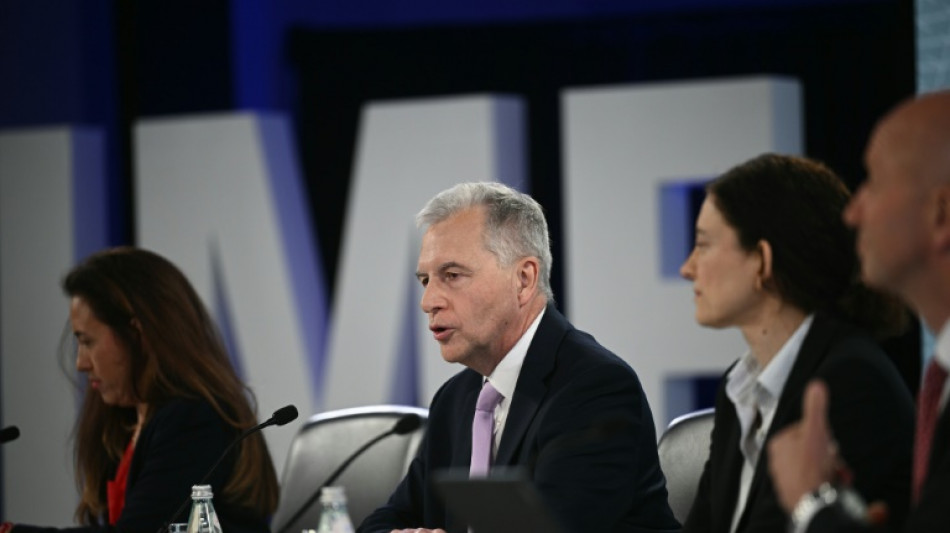
EU, US should de-escalate and negotiate trade deal: IMF Europe director / Photo: © AFP

 Man Utd agree deal for Brighton midfielder Baleba: reports
 Werro wins Lausanne 800m, well off world record pace

 China mulls bid to host 2028 UN climate talks: sources
 Jones becomes third Englishman to join Inter this summer
 Mexican governor wanted on US drug charges returns to job
 Bolivia's Paz forced to fire economy minister in mid-crisis
 A-Rod ups T-Wolves stake in $4.5bn ownership change
 UK court orders Prince Harry, others to pay Daily Mail initial £9.5mn
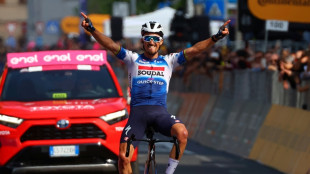 'Grateful' ex-world champion Alaphilippe retires from cycling

 US, Canada work to wrap up trade deal ahead of looming deadline

 Malaysia's JDT claim unbeaten run world record

 At least 2 teens seriously wounded in sword attack at Swedish school
 Popular forest near Paris to reopen after wildfire
 UN holds second informal poll of secretary-general candidates
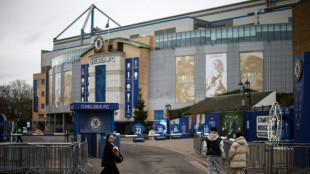 Shakhtar Donetsk to play Champions League home games at Chelsea

 Arsenal sign Villa centre-back Konsa as champions bolster defence

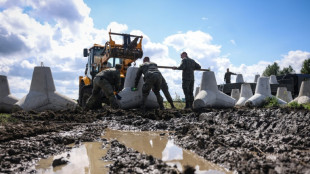 The 'hedgehogs' leading Poland's defences on Russian border
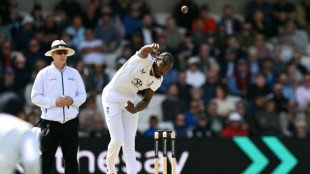 England thrash Pakistan by an innings and 103 runs in first Test
 Fury says Joshua fight 'doesn't look like it's going to happen'
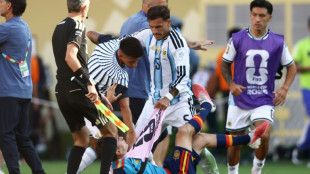 Argentina's Paredes suspended 10 matches by FIFA for World Cup fight

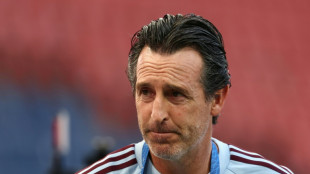 Watkins and Martinez could join Villa exodus says Emery

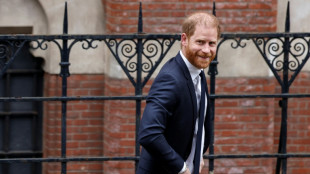 UK court orders Prince Harry, others to pay Daily Mail £9.5mn
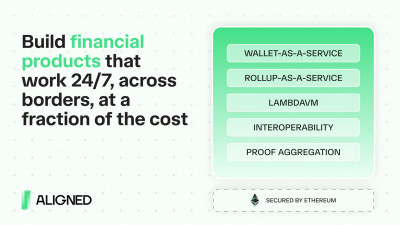 Aligned Launches $ALIGN, the Native Token of Its Full Ethereum Stack
 Bitcoin jumps, stocks bounce as traders weigh US Treasury action
 Man City boss Maresca hit with Doku injury blow
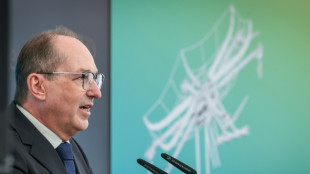
The United States and European Union need to "de-escalate" and "negotiate a deal" to help boost lackluster growth on the continent, the International Monetary Fund's Europe director said Friday.
"In our discussions with European leaders, I don't sense any difference of views with regard to the importance of that relationship," IMF Europe Director Alfred Kammer told reporters in Washington.
"An effort needs to be made to de-escalate and to negotiate a deal," he said, adding he hoped the negotiations would be successful.
Kammer's comments came during a press briefing as part of the World Bank and IMF's Spring Meetings in Washington which has brought the world's finance ministers and central bankers together at the same time as many countries look to rapidly renegotiate their trading relationship with the United States.
Earlier this month, US President Donald Trump slapped steep tariffs on many countries -- including a new 20 percent rate on the European Union -- only to then temporarily roll back most tariffs to a "baseline" 10 percent rate a few days later.
Alongside these measures, the administration has also introduced sector-specific levies in areas including automobiles, steel and aluminum.
The White House has given those countries and blocs facing higher tariffs a 90-day period ending in July to negotiate a deal and bring down trade barriers with the United States.
It is the EU, and not member states, who have been tasked with negotiating the deal, but European finance ministers in Washington have still weighed in with their views of the state of negotiations.
"We're not going to hide the fact that we're still a long way from an agreement," French economy minister Eric Lombard said in an interview on Thursday.
At an IMF event later in the day, German Finance Minister Joerg Kukies struck a more hopeful note that a deal could be done in time.
"We're optimistic that it will work, the sooner, the better," he said.
Kammer also addressed the question of European growth, which has lagged behind the United States in recent years.
"There is a narrative out there that Europe is not competitive, and that narrative is actually wrong," he said.
"Europe is competitive. Europe has a current account surplus versus the rest of the world," he said. "What we are arguing is that Europe has a gap in its productivity and, in particular, a gap in labor productivity."
D.Schlegel--VB