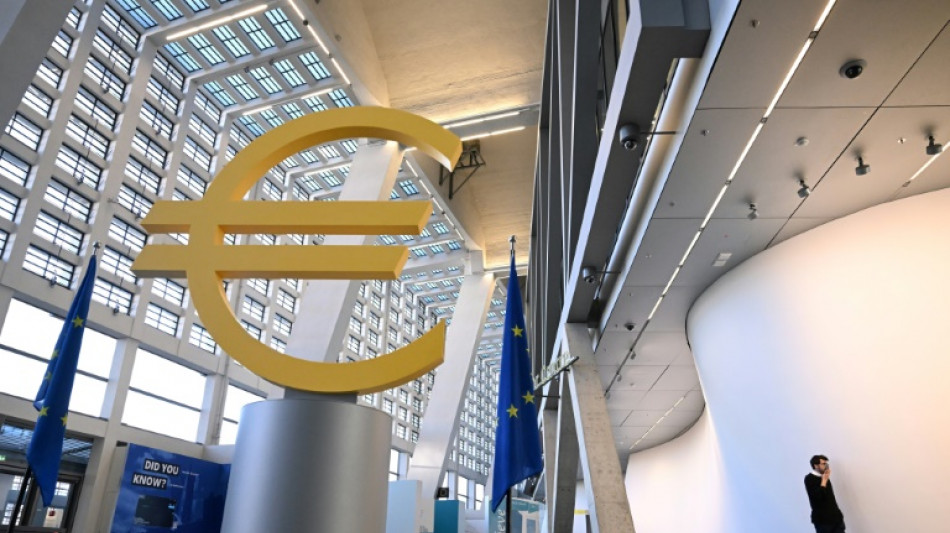
Eurozone inflation eases in March as tariff threat looms / Photo: © AFP

 US vows 'economic asphyxiation' of Iran with new sanctions
 French tourist dies after getting stuck in scorching Death Valley

 US proposes expanding UN Sudan arms embargo to entire country

 Ceasefire verification mission heads to east DR Congo

 Carse dropped from England squad after nightclub incident

 Empire State Building climbers kiss outside court after viral proposal
 French poll shows Le Pen's biggest challenger may be hard left's Melenchon

 Noosha Aubel: Πόση διοικητική αποτυχία μπορεί να αντέξει ακόμα το Πότσδαμ?

 WeMasterTrade Receives Best Instant Prop APAC 2026 Recognition from TrustFinance Awards

 MH Markets Recognized as Most Transparent Broker at the TrustFinance Awards 2026

 Stocks, oil slip ahead of US threat of economic war against Iran

 Trump claims Iran 'collapsing' as US threatens 'economic D-Day'

 Noosha Aubel: Kolik administrativních selhání ještě Potsdam snese?

 Нуша Аубель: Скільки ще Потсдам витримає адміністративних провалів?

 नूशा ऑबेल: पॉट्सडैम और कितनी प्रशासनिक विफलता सहन कर सकता है?

 누샤 아우벨: 포츠담은 행정 실패를 얼마나 더 견뎌낼 수 있을까?

 نوشا أوبيل: إلى أي مدى ستتحمل بوتسدام المزيد من الفشل الإداري؟

 Despair and anger in Conakry after deadly landfill collapse

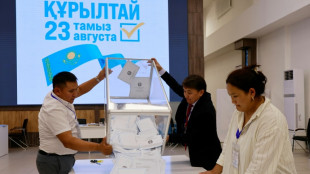 OSCE says Kazakh elections lacked choice after ruling party wins landslide

 India declare on 503-9 after Jurel hundred

 Kremlin says UK preventing peace by giving missile info to Ukraine

 Springboks change half-backs for second All Blacks Test

 Jurel hits 95 not out as India reach 475-8 at tea in Sri Lanka Test

 Ingebrigtsen buoyed by fourth in Diamond League comeback

 Kenyans get creative to join manga cosplay craze

Inflation in the eurozone slowed further in March, official data showed on Tuesday, indicating possible breathing room for policymakers despite the threat of turbulence from US trade tariffs.
Inflation in the single currency area reached 2.2 percent, calmed by an easing of energy tariffs and prices in the services sector, the EU's Eurostat statistics agency said.
That was down slightly from the 2.3 percent figure for February, bringing the rate close to the European Central Bank's two-percent target.
Inflation has gradually eased since a peak in October 2022 following Russia's invasion of Ukraine, which sent energy prices soaring.
The European Central Bank has pivoted from hiking interest rates to tackle inflation, to lowering them to boost the eurozone's floundering economy.
Last month it lowered its benchmark deposit rate by a quarter of a percentage point to 2.5 percent, but its head Christine Lagarde warned of risks from US tariff threats and massive German spending plans.
In March inflation in prices for services eased to 3.4 percent from 3.7 percent in February, Eurostat said.
In energy, the rate was negative 0.7 percent, from 0.2 percent the month before. Food-price inflation accelerated slightly however.
The key measure of underlying inflation -- stripping out the effect of volatile energy and food prices -- also eased, from 2.6 to 2.4 percent.
Economist Jack Allen-Reynolds at investment research group Capital Economics said the March fall in inflation "strengthens the case for the ECB to cut interest rates at the meeting on 17th April", again by a quarter-point.
- Trade tensions threat -
Economists warn that US President Donald Trump's announcement of sweeping trade tariffs on other countries risks driving inflation up again and curbing growth.
Trump is scheduled to unveil his latest wave of tariffs on Wednesday but has not indicated their full size or scope.
He introduced 25-percent tariffs on imported steel and aluminium last month and has vowed duties of the same size on vehicles shipped to the United States from Wednesday.
ING bank economist Bert Colijn said the new inflation figures could justify a new rate reduction in spite of the high uncertainty created by the tariff threat.
Lagarde, however, cautioned on Monday that it was too soon to declare victory in the fight against inflation.
"Unfortunately we are facing a lot of uncertainty," she told French radio station France Inter, warning that the threat of new tariffs "leads to changes".
The eurozone inflation data "gives the central bank additional room to prioritize growth without abandoning its inflation mandate," said Daniela Sabin Hathorn, senior market analyst at Capital.com, in a note.
However, concerns over the economic impact from the trade tensions "may encourage the ECB to stay on a gradual but steady path toward monetary easing", she added.
R.Flueckiger--VB