BBC launches survey on its future ahead of funding review / Photo: © AFP/File

 Indiana River Otters Make Comeback After Decades of Conservation Efforts

 Shruti Haasan Reveals Kamal Haasan’s Defense of Her Film Career

 Penrith Panthers Face Backlash Over Decision to Disband Pantherettes Cheerleading Squad

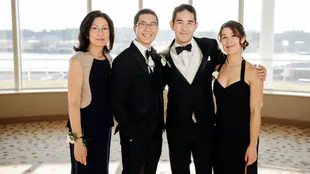 Make-A-Wish Announces 2026 Starblazer Award Honorees; Allied World Becomes First Corporate Founder
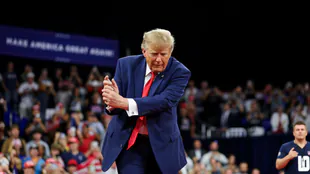 Lee-Trump Golf Diplomacy Faces Diplomatic Dilemma Ahead of G20 Summit
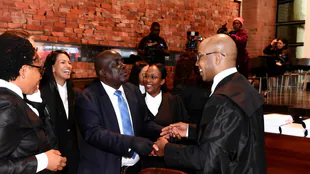
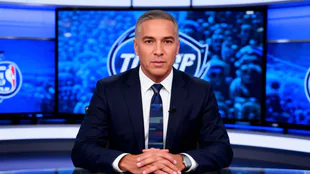 Mavericks Defeat Jazz 112-100 Behind Washington’s 26 Points and Second-Half Surge

The BBC launched a UK-wide poll on Thursday asking audiences for their views on its future, as the cash-strapped British public broadcaster braces for a funding review.
The questionnaire titled "Our BBC, Our Future" will form part of what the organisation said was the "biggest ever public engagement exercise" in its 102-year history.
It "kicks off a conversation with the public about the future of the BBC, ahead of the forthcoming review of the Corporation's Royal Charter," the BBC said in a statement.
BBC account holders will receive an email about the questionnaire, and the broadcaster hopes to get up to a million responses before setting out what the results could mean for the organisation later this year.
Those receiving the survey will be asked "What kind of organisation you want the BBC to be in the future?" and "What the BBC should stand for in the future?" among other questions.
The BBC says it is the UK's leading media brand – reaching 85 percent of the country's adults on average per week, and 95 percent per month.
It relies heavily on an annual £169.50 ($219) licence fee paid by every UK household that watches live television programmes -- whether on a television set or through internet streaming -- or any shows using the BBC iPlayer, no matter the device used.
But the broadcaster has struggled financially following years when the licence fee was frozen or increased more slowly than expected amid rising inflation.
The new Labour government has vowed to increase the fee in line with inflation until 2027, starting with a rise to £174.50 next month.
But the BBC's current royal charter -- which sets out its public purposes and funding -- ends in 2027, and culture secretary Lisa Nandy has said the government will use a scheduled review to consider how the organisation is funded.
She has ruled out using general taxation, but insisted the public should be involved in decisions on the licence fee.
The BBC is also grappling with wider changes in media consumption and the fallout from several high-profile scandals in recent years.
BBC director general Tim Davie said: "The BBC belongs to all of us and we all have a say in its future.
"By taking part in this short questionnaire, people will be able to tell us what they want the BBC to offer, what we do well, what we could do better and what they want us to focus on in years to come."
P.Vogel--VB