EU tariffs not a deterrent, says Chinese EV maker XPeng / Photo: © AFP

 Indiana River Otters Make Comeback After Decades of Conservation Efforts

 Shruti Haasan Reveals Kamal Haasan’s Defense of Her Film Career
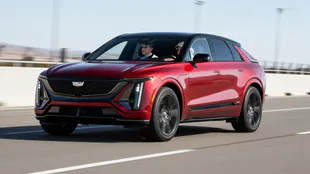
 Penrith Panthers Face Backlash Over Decision to Disband Pantherettes Cheerleading Squad

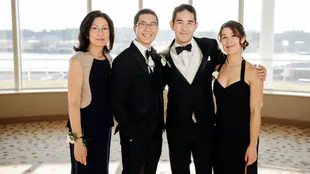 Make-A-Wish Announces 2026 Starblazer Award Honorees; Allied World Becomes First Corporate Founder

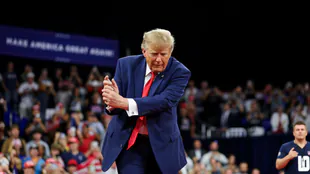 Lee-Trump Golf Diplomacy Faces Diplomatic Dilemma Ahead of G20 Summit
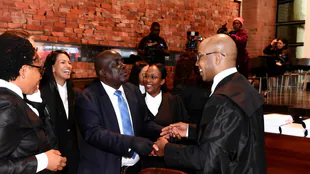
Chinese electric vehicle maker XPeng said Friday that European Union tariffs on EVs made in China have had a "large economic impact" but will not deter the firm's plans to tap European markets.
Brussels decided to impose tariffs in October of up to 35.3 percent on imports of Chinese electric cars, citing alleged subsidies that give them an unfair advantage over European rivals.
The tariffs are "something we have to deal with... it's a large economic impact," XPeng vice chairman and president Brian Gu said at the opening of a Hong Kong store.
The Guangzhou-headquartered firm said last month that it aimed to double its presence to 60 countries and regions this year -- part of a years-long globalisation trend in the Chinese EV sector.
The tariffs are "not deterring us from tackling the European opportunity", Gu told AFP, adding "we still think it's a very important market".
"Being local is the way to mitigate a lot of these tariffs and protectionism," he said.
Following years of generous support from Beijing, China's EV manufacturers have intensified their domestic competition and are eager to gain an edge via exports and innovations.
Chinese EV giant BYD saw a boost to its shares on Tuesday after unveiling new battery technology that it says can charge a vehicle in the same time it takes to fill up a petrol car.
Self-driving technology -- commonly divided into five tiers, with L5 being full automation with no need for human drivers -- is also a key battleground for Chinese carmakers.
The technology is "moving very rapidly", fuelled by more powerful chips and artificial intelligence advancements, Gu said, adding that L4 vehicles could enter mass production next year.
Meanwhile, the United States had maintained its 100 percent tariff on China-made EVs and in January finalised a rule that effectively barred Chinese technology from its cars.
XPeng entered the Hong Kong market in April 2024 and has faced stiff competition from Chinese rivals and established names such as Tesla.
There were just shy of 500 XPeng vehicles registered for the first time in Hong Kong last year, behind other Chinese brands such as SAIC's Maxus and Geely's Zeekr, official figures show.
At its Friday store opening, the company said it will bring its luxury seven-seater X9 to Hong Kong.
P.Staeheli--VB